

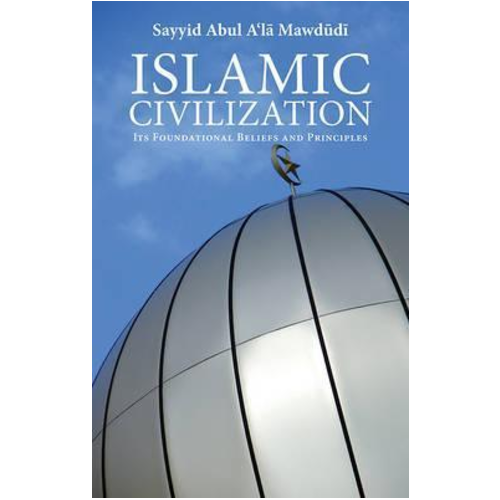
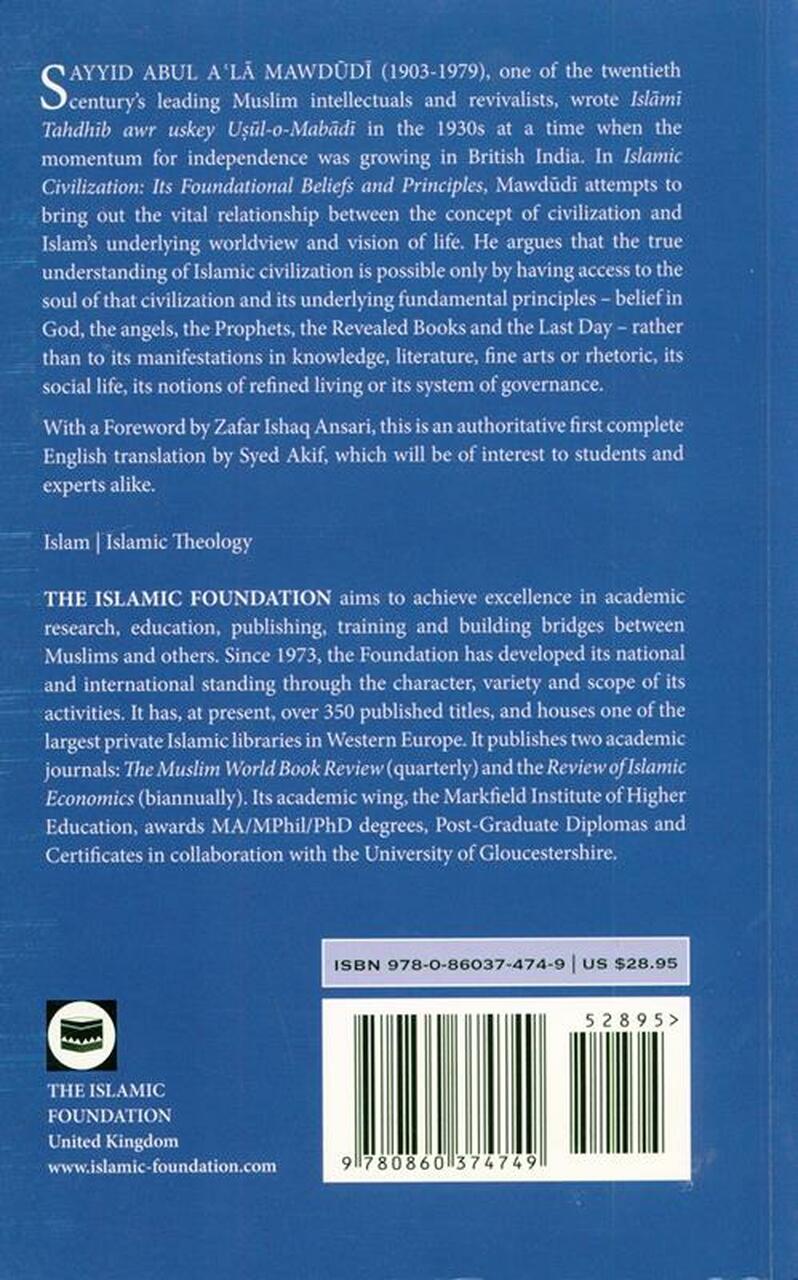
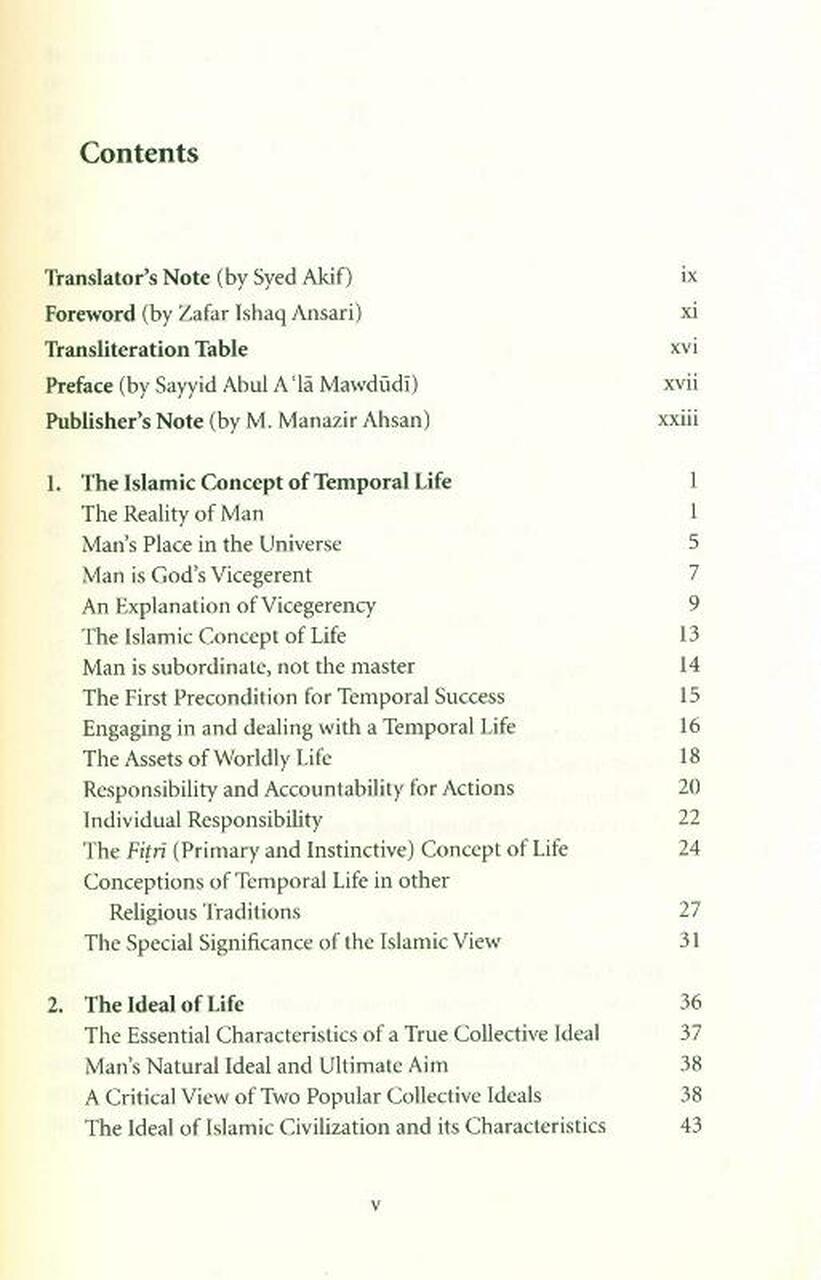
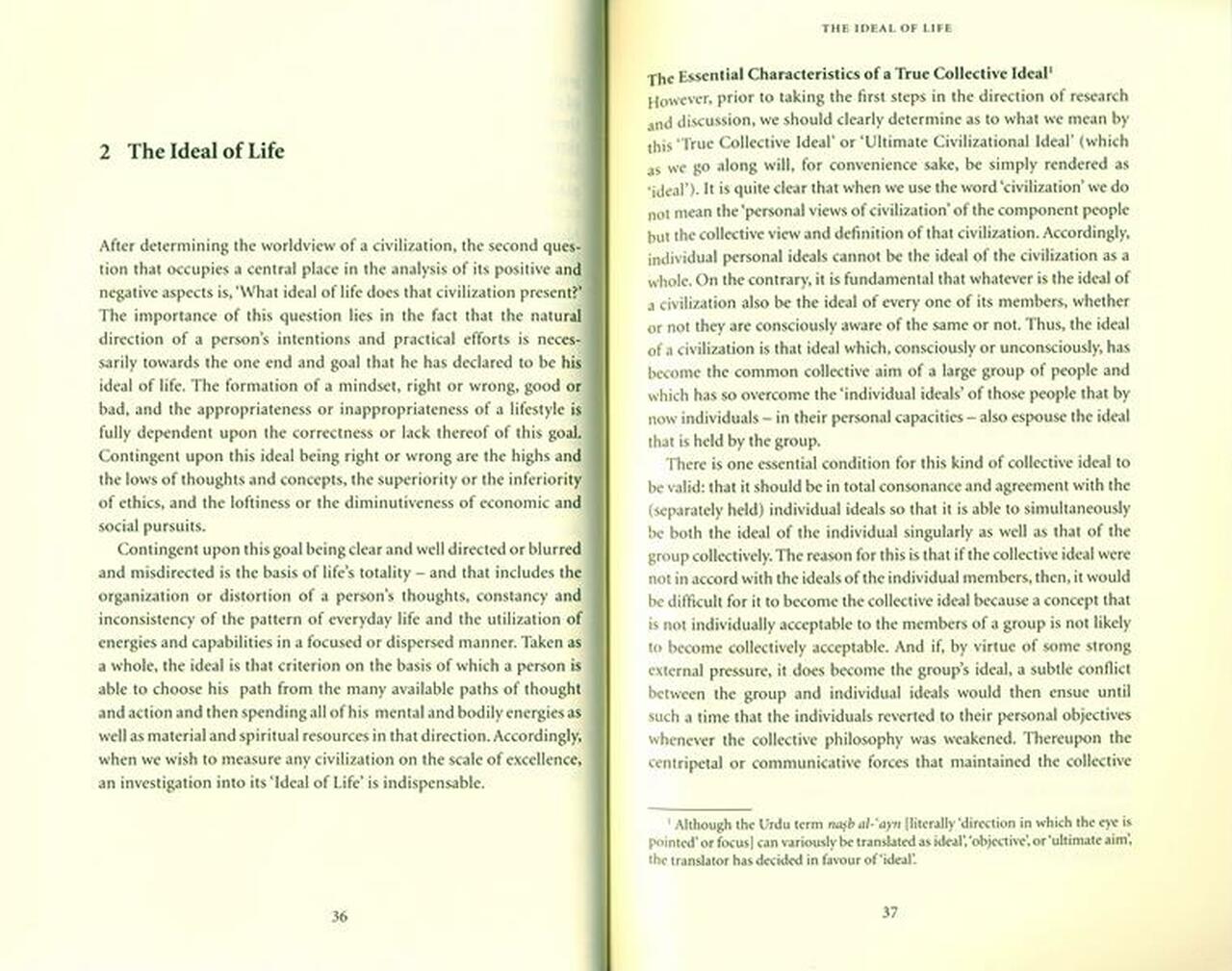
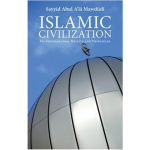
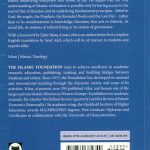
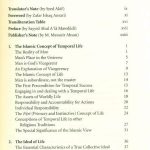
Sayyid Abul A’la Mawdudi (1903-79), one of the twentiet-century’s leading Muslim intellectuals and revivalists, wrote Islami Tahdhib awr uskey Usul-o-Mabadi in the 1930s at a time when the momentum for independence was growing in British India. In Islamic Civilization: Its Foundational Beliefs and Principles, Mawdudi attempts to bring out the vital relationship between the concept of civilization and Islam’s underlying worldview and vision of life. He argues that the true understanding of Islamic civilization is possible only by having access to the soul of that civilization and its underlying fundamental principles – belief in God, the angels, the Prophets, the Revealed Books and the Last Day – rather than to its manifestations in knowledge, literature, fine arts or rhetoric, its social life, its notions of refined living or its system of governance.
Islamic Civilization : Its Foundational Beliefs and Principles
$25.45
| Weight | 0.370 kg |
|---|---|
| Dimensions | 21.5 × 14 × 1.5 cm |
| Author | |
| Binding | Paperback |
| ISBN | 9780860374749 |
| Pages | 260 |
| Publisher | The Islamic Foundation |
Be the first to review “Islamic Civilization : Its Foundational Beliefs and Principles” Cancel reply
You must be logged in to post a review.
Related Products
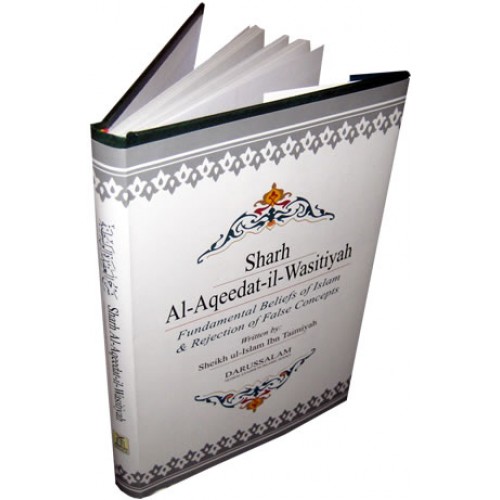
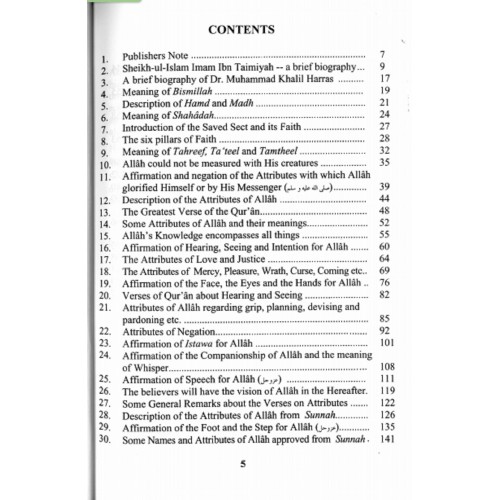
Sharh Al-Aqeedat-il-Wasitiyah (H/B)
Sheikh-ul-Islam’s book Al-Aqeedah-il-Wasitiyah deals with the perfect and undefiled Islamic Faith and Creed of the As-Salaf-As-Salih (the pious predecessors) particularly in regards to Allah’s names and attributes, with solid arguments in brief words and terminology. The book is highly appreciated by the scholars for its brevity as well as comprehensiveness; and for its contents produced perfectly in line with the Qur’an and Sunnah in an appealing and manifest manner.
The eminent scholar of Islam, Sheikh-ul-Islam Imam Ibn Taimiyah, discusses the real & original faith of Islam according to the Qur’an & Sunnah. The real faith in Allah and his religion Islam is to follow the Qur’an and Sunnah strictly. Any scholar who adds or attributes or alters any basic fundamental of Islam is wrong & deviates from the teachings of Islam. Every Muslim must read this book to get the real light of Faith.
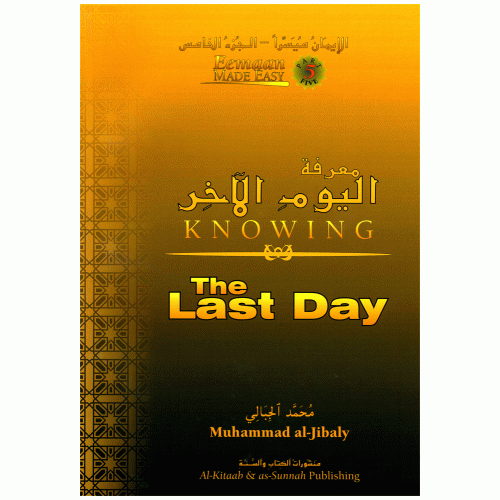
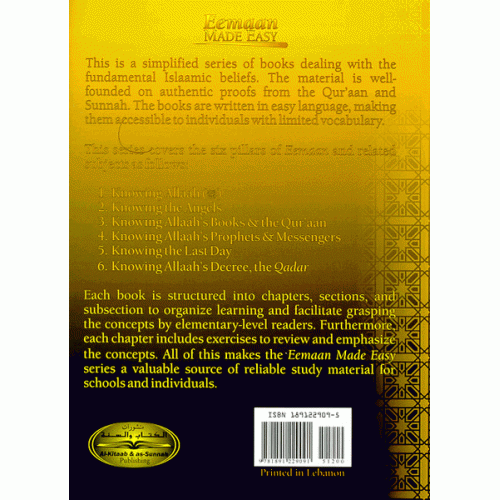
Knowing The Last Day (P/B) (Eeman Made Easy Series)
This is a simplified series of books dealing with the fundamental Islaamic beliefs. The material is well-founded on authentic proofs from the Qur’aan and Sunnah. The books are written in easy language, making them accessible to individuals with limited vocabulary.
Each book is structured into chapters, sections, and subsection to organize learning and facilitate grasping the concepts by elementary-level readers. Furthermore, each chapter includes exercises to review and emphasize these concepts. All of this makes the Eemaan Made Easy series a valuable source of reliable study material for schools and individuals.

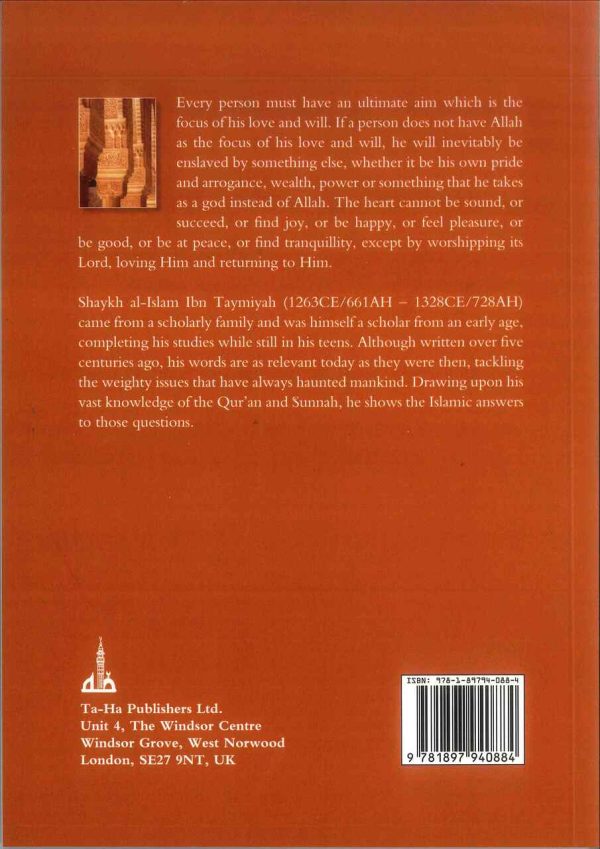
Al-‘Ubudiyyah: Being a True Slave of Allah
Shaykh Ibn Taymiyyah defines the concept of worship in Islam and explains that to be a true “slave of Allah” is a status of both virtue and nobility. The title “slave of Allaah” is one of great honor which Allah bestowed upon the best of creation, Muhammad (SAW). Ibn Taymiyyah highlights the prevalent traps which people fall into, when becoming enslaved by, or allowing their hearts to become attached to worldly objects. The emphasis is on servitude to Allah which is adorned with the true love we hold for Him in our hearts — a matter of central importance for every Muslim.
Highly Recommended for the young blooded who Want to Run before they can Walk and even the Old timers ‘Who sometimes are so comfortable Walking that they have forgotten that there is sometimes a need to run’ in the Path Towards Allah.
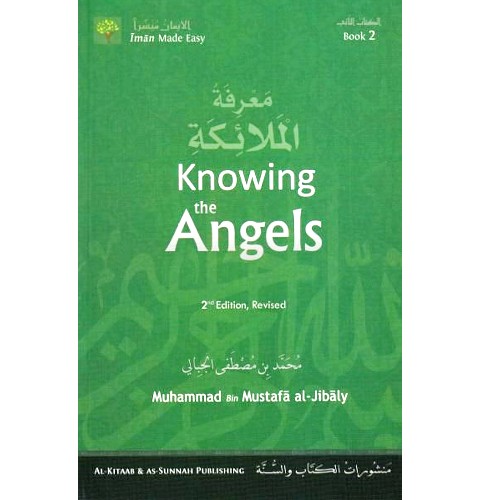
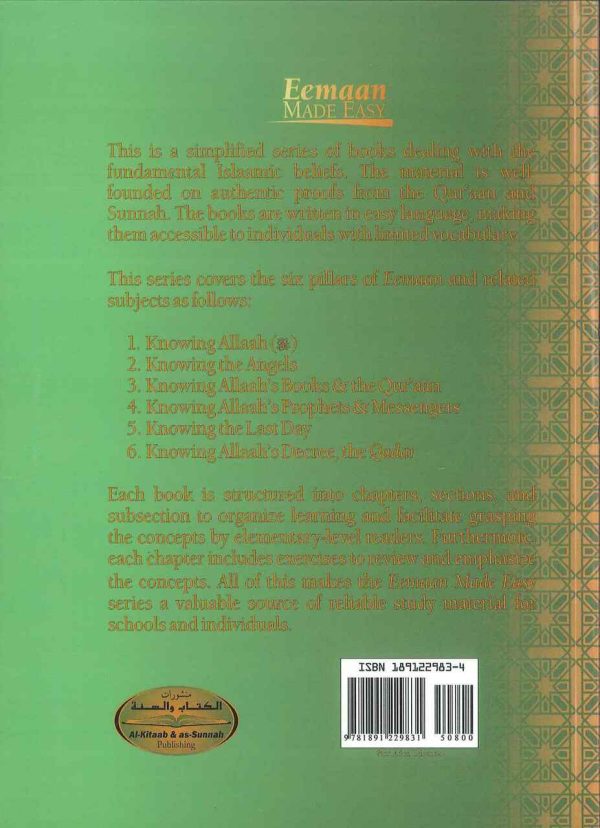
Knowing The Angles: Revised 2nd Edition (P/B) (Eeman Made Easy Series)
This is book regarding the Angels – Al-Malaika and is part of a simplified series of books dealing with the fundamental Islaamic beliefs – Iman. The material is well-founded on authentic proofs from the Qur’aan and Sunnah. The books are written in easy language, making them accessible to individuals with limited vocabulary.
This series covers the six pillars Imaan and related subjects in 6 books as follows:
- Knowing Allah
- Knowing the Angels
- Knowing Allah’s Books & the Qur’an
- Knowing Allah’s Prophets & Messengers
- Knowing the Last Day
- Believing in Allah’s Decree, Qadar
Each book is structured into chapters, sections, and subsection to organize learning and facilitate grasping the concepts by elementary-level readers. Furthermore each chapter includes exercises review and emphasizes the concepts. All this makes the Emaan Made Easy series a valuable source of reliable study material for schools and individuals.
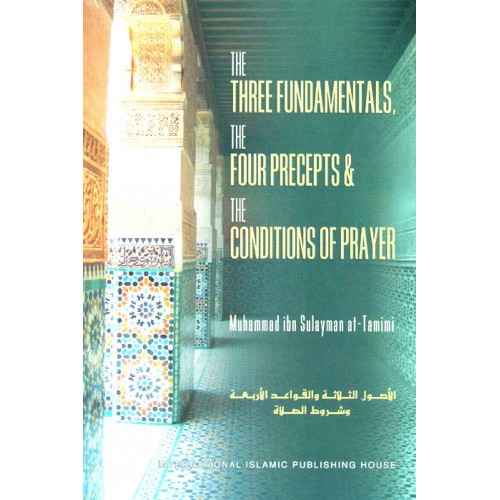
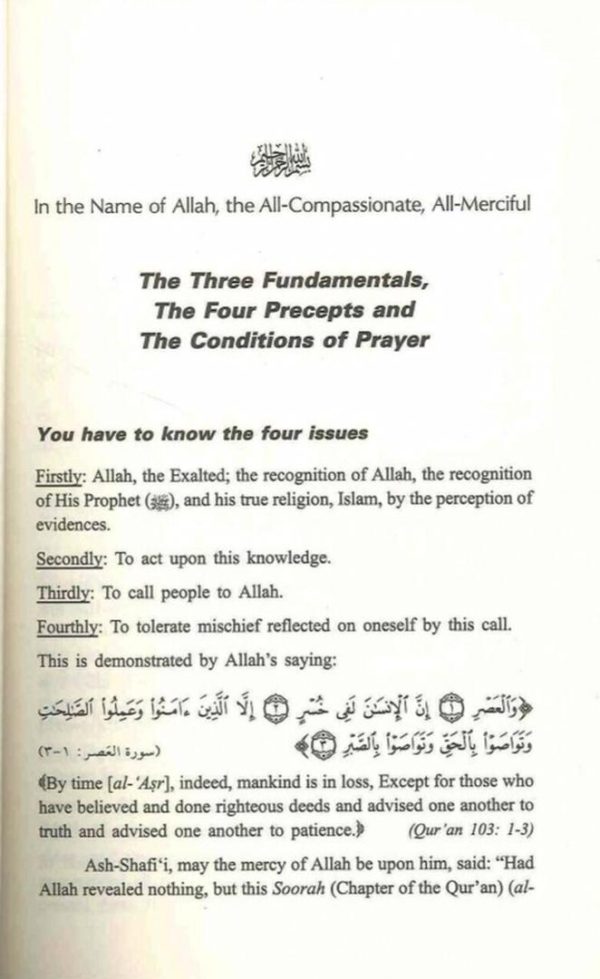
The Three Fundamentals, The Four Precepts & The Conditions Of Prayer (P/B)
(I have only created Jinn and men, but to worship me)
And the most common and lofty way of worship Allah, as we all know, is to pray. Pray, pray, pray.
But how will we react if we find out that after years and years of praying, our prayer is performed incorrectly?!?!
Some of us would be angry… actually, very very angry… while some will be dissappointed and wishing that they knew the correct way of praying earlier…
This book covers all of the guidelines of prayer, and what you need to do before, after, and during prayer, to keep you from that humiliating moment of “learning it the hard way.”
So once this book is between your hands, flip through its thin pages and earn the knowledge of your deen as you sit on the cushions of a warm, comfortable couch.
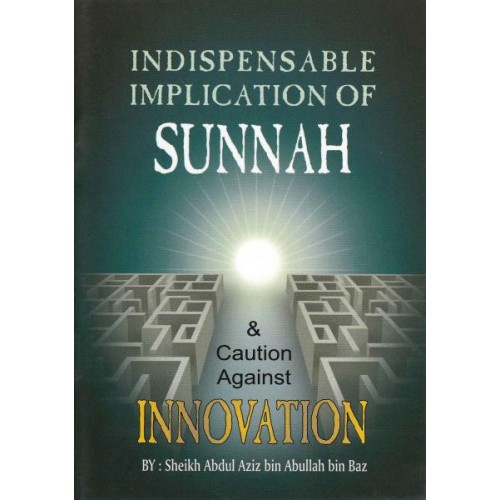
Indispensable Implication of Sunnah (P/B)
The author has discusses the topic of innovation in Islam. For example, he proves that celebrating the Prophet’s birthday is not right according to the Qur’an and Sunnah.
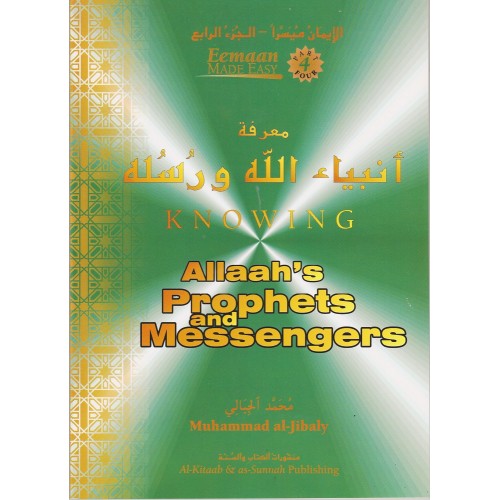
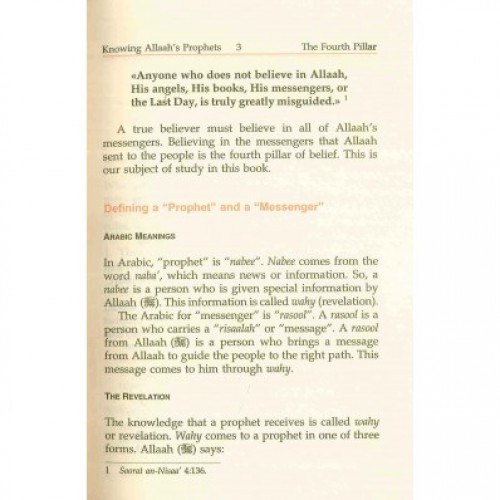
Knowing Allaah’s Prophets and Messengers (P/B) (Eeman Made Easy Series)
This is a simplified series of books dealing with the fundamental Islaamic beliefs. The material is well-founded on authentic proofs from the Qur’aan and Sunnah. The books are written in easy language, making them accessible to individuals with limited vocabulary.
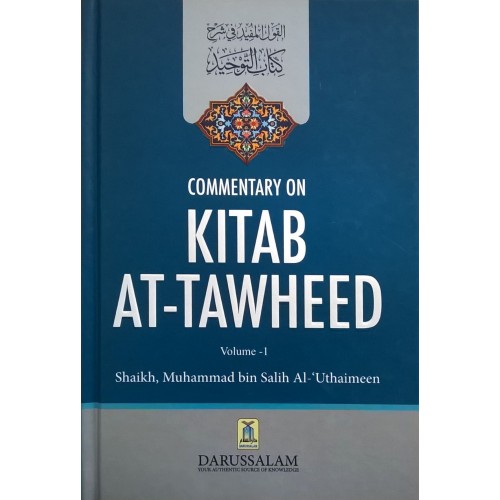
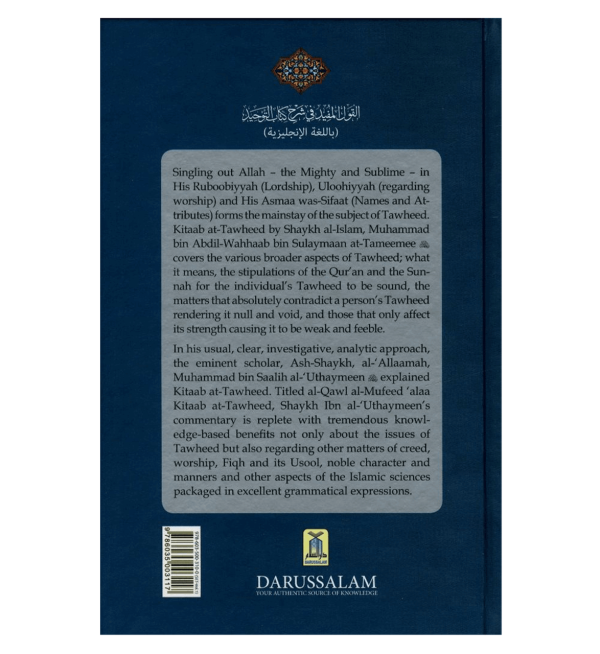
Commentary on Kitab At-Tawheed – 2 Volumes (H/B)
The title of the Arabic explanation by the shaykh is Al Qawl Al Mufeed Alaa Kitaab at-Tawheed.
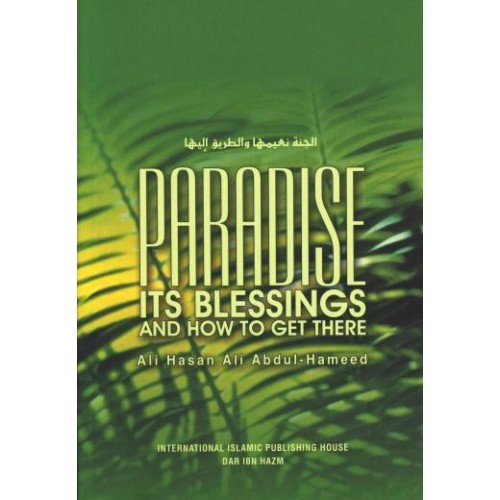
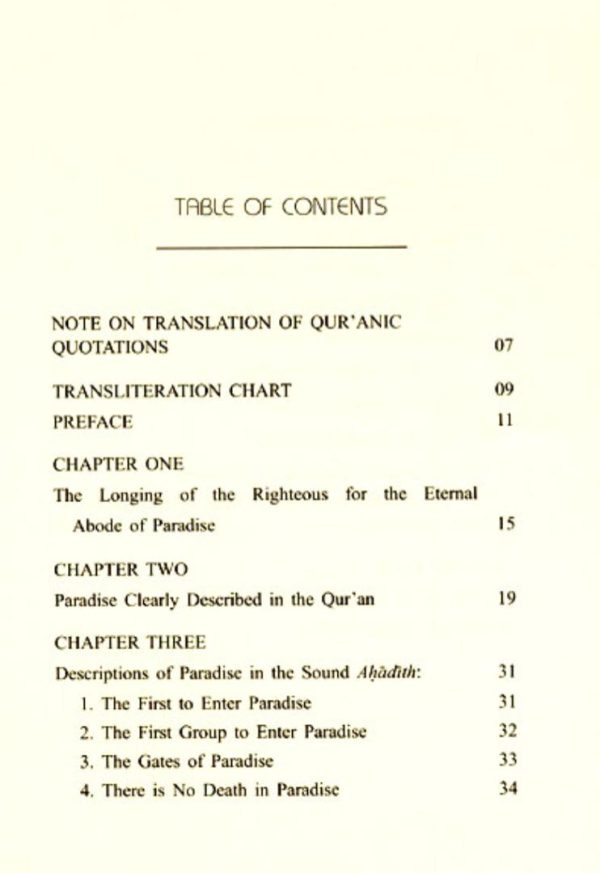
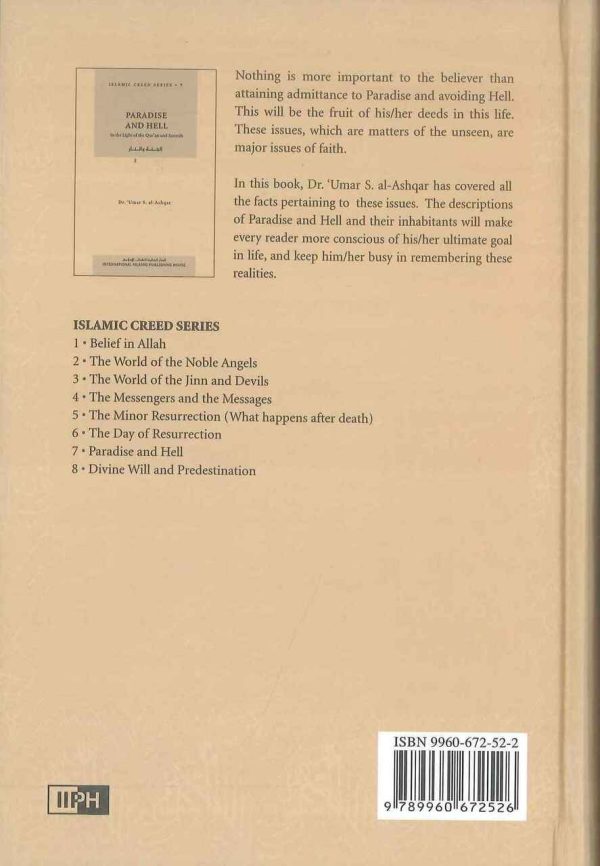
Paradise Its Blessings and How To Get There (P/B)
Paradise and its inhabitants as portrayed in the Qur’an and the Hadith, then discusses the various rewards and blessings that are promised to those who make it there. Finally, the author lists the many and myriad deeds that a Muslim can do that will help him or her to achieve the Garden of Eden.

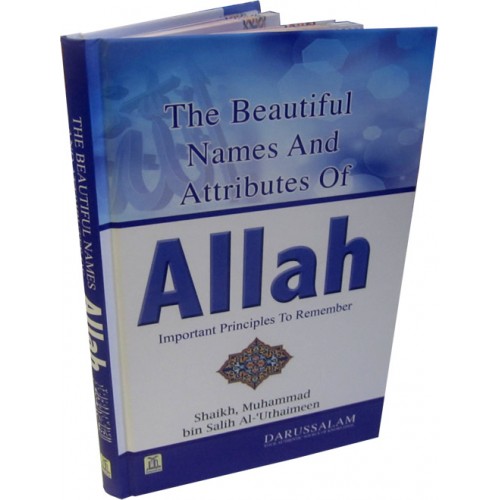
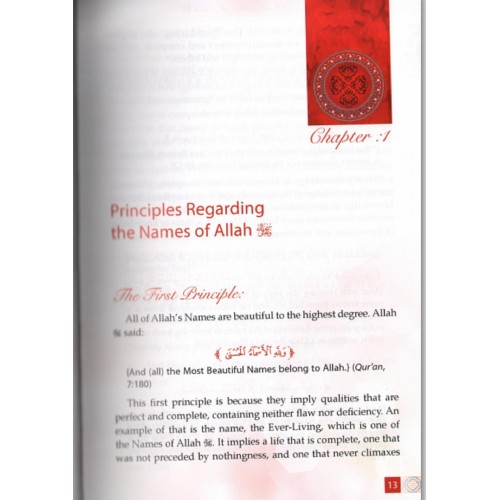
The Beautiful Names and Attributes of Allah- Important Principles To Remember
The pristine beliefs of the early Muslims are preserved in this vitally important masterpiece written by one of the most outstanding scholars of our time, Shaykh Muhammad Ibn Saalih al Uthaymeen. This new revised edition by Dar-us-Salam has been printed in full color with hardback bounding for an excellent presentation.
Seven clear principles and their evidences from the Book and the Sunnah guide the reader through the confusion and false claims of the ignorant to the clarity of belief in Allah’s Names accomplished by the righteous early scholars of Islam. Principle 6 contains the shaikh’s compilation of the ninety-nine (99) names of Allah. The names have been compiled into 2 categories: first from the Book of Allah & second from the Sunnah of the Prophet (S). All the names have been printed in Arabic with transliteration and English translation. Each name is printed beautifully in a square box with 6 boxes on a page.
Seven more principles and their evidences follow, giving the reader firm understanding of the correct beliefs about Allah’s Attributes. Four more principles outline the correct approach in studying the related proofs and evidences.
All of this leads the reader into an enthralling series of refutations of the false notions of the Ash’aree sect, a text-by-text breakdown of how and why they went wrong in a careful and precise study of fifteen texts from the Book and the Sunnah. The beliefs of the Ash’aree sect are destroyed and the origins of their deviation are exposed for all to see.
‘A magnificent book a clarification of the creed of the righteous Salaf concerning the Names and Attributes great principles and collective benefits concerning the topic’ – Shaykh Ibn Baaz
Recently Viewed
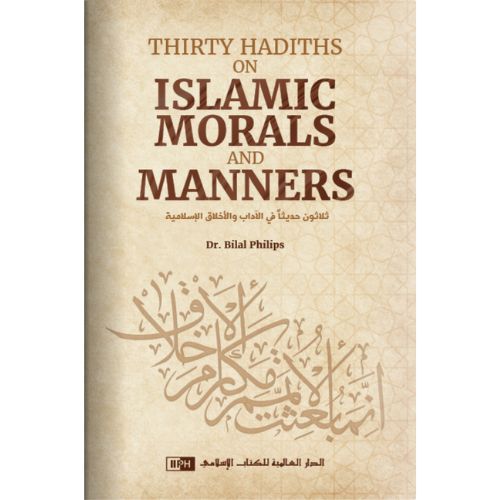
Thirty Hadiths on Islamic Morals and Manners (IIPH)
30 Hadiths on Islamic Morals and Manners is an attempt to draw guidance from Allah’s Messenger (sa) on diverse topics such as intentions, suspicion, jealousy, backbiting, bribery, greetings, marriage, and families. Dr. Bilal Philips has offered a commentary with each hadith to enable readers to learn about morality, ethics, and manners, as taught by Prophet Muhammad (sa).

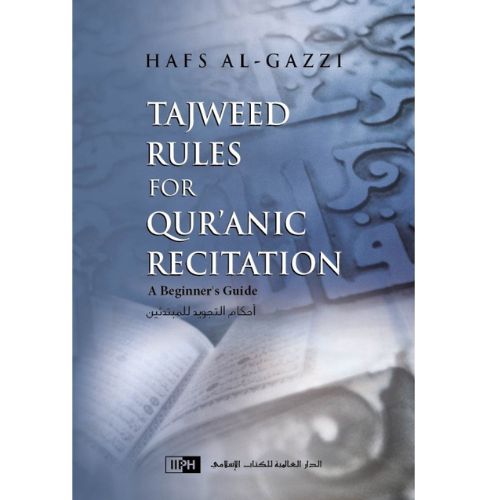
Tajweed Rules For Quranic Recitation [A Beginner Guide]
For every letter of the Qur’an that a Muslim recites, s/he is rewarded ten times over. This immense reward for such a seemingly simple task emphasizes the importance of learning how to recite the Qur’an. Tajweed Rules for Qur’anic Recitation: A Beginner’s Guide aims to give the reader the necessary tools to properly recite the Qur’an according to the manner in which the Prophet Muhammad (sa) recited it. To set the stage for learning the proper Qur’anic recitation, or tajweed, the history of the Qur’an is briefly discussed from its revelation to its compilation. In addition, the history of the Science of Tajweed is touched upon, in order to move the reader into the rules of Qur’anic recitation. With the beginning learner in mind, the rules are detailed in a simple yet clear manner. Each new rule is elucidated with examples from the Qur’an for learners to apply to their recitation.
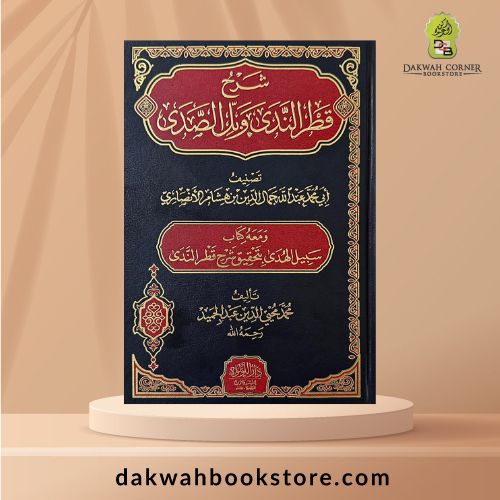
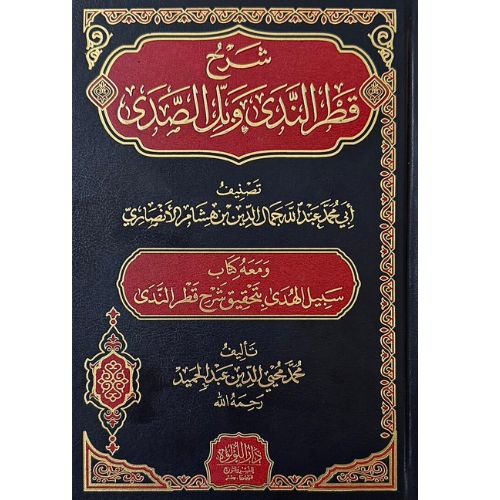
[ALA] Sharḥ Qaṭr al-Nadā wa Bal al-Ṣadā / شرح قطر الندى وبل الصدى
The severe – something that is not specific to a book from the books of our ancestors, and it is not unique to a trace of their precious traces, but you do not fall – except in the rare little – on the book of their books, the publisher of which has taken out on your face if you look at it, and God is sufficient for us and the best deputy!
Therefore, I did not find a beginning to do this book: by adjusting its examples and testones from the Holy Qur’an, the Prophet’s hadith and Arabic poetry, and then by explaining its verses as a middle explanation between the brief and the boring simple, with the expression of the verses in full expression, and I did all this with an easy phrase and a close style.

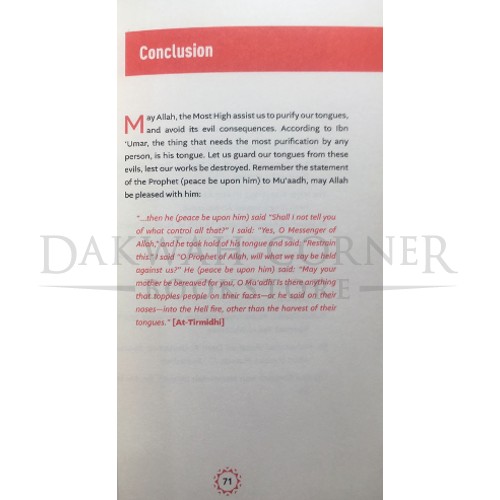
The Evils of The Tongue
“The servant say something that he think is harmless, and for which he will be plunged into the depths of the Fire for seventy autumn (years)” – At-Tirmidhi
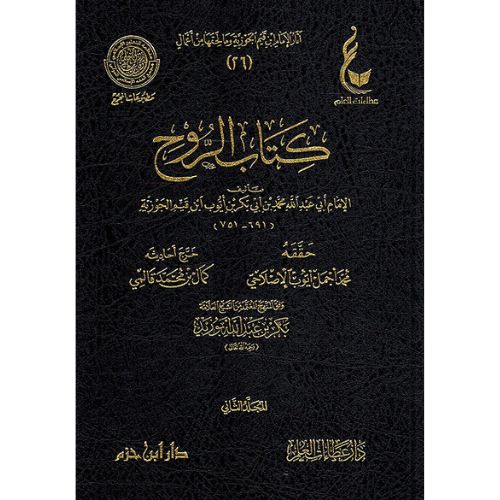
[AC] Kitab Alruh 2 Vol / كتاب الروح 2 مجلد
كتاب يطرح فيه المؤلف مسألة الروح لم ترد في غيره من كتب السلف، فيه معلومات معرفية عن النفس والروح والفرق بينهما، وعلاقة الروح بالجسد، ومصيرها بعد الموت. وذلك استنادا إلى الكتاب والسنة مؤيدا بالحجة والبرهان النقليين والعقليين والمنطقيين
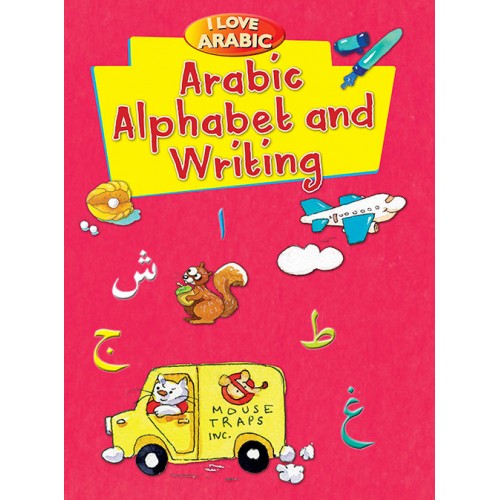
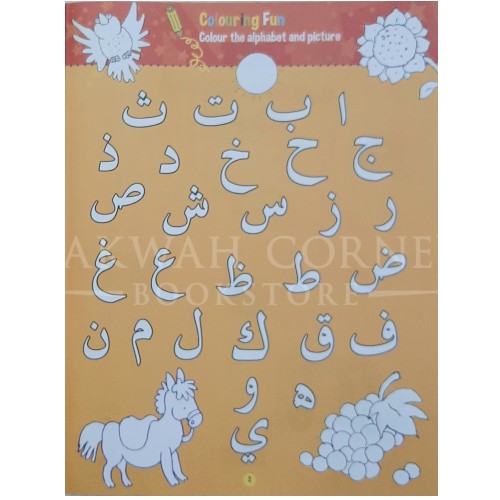
I Love Arabic: Arabic Alphabet and Writing
Arabic Alphabet and Writing, the second book in the I Love Arabic series, introduces young learners to identifying Arabic letters and writing them. This colourful book presents each letter with a charming illustration, which the young learner has to colour and then practice writing the letter. Arabic Alphabet and Writing is an exciting first book for young learners who want to master Arabic writing. Arabic Alphabet develops these skills: * Identifying letters * Sequencing letters * Writing letters.
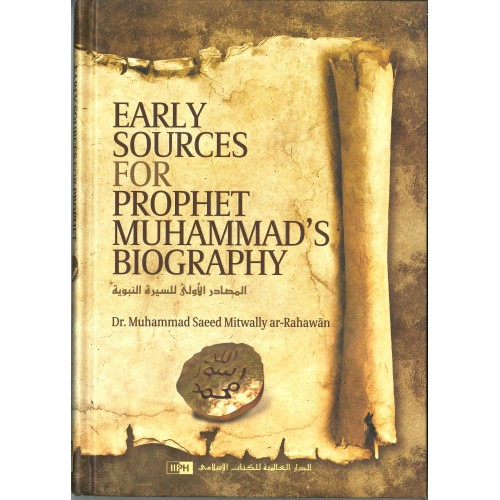
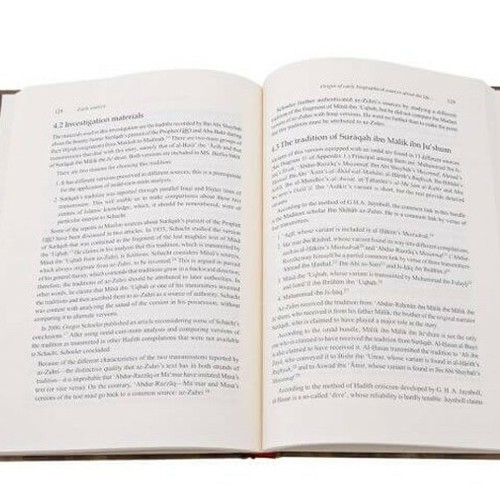
Early Sources For Prophet Muhammad’s Biography (H/B)
In ‘Early Sources for Prophet Muhammad’s Biography’, Dr. Muhammad Saeed Mitwally aims to prove that applying Western methods of critical analysis to the available Muslim sources can take us back to early, reliable information about the Prophet (sa).
Early Western biographies of the Prophet of Islam (sa) were largely based upon the Qur’an, as well as upon the late Muslim sources dating from the sixteenth century. After the publication of Goldziher’s Muhammedanische Studien in 1890, the reliability of Muslim sources became controversial. This stance was intensified by the publication of Schacht’s The Origins of Muhammadan Jurisprudence, in which he claimed that none of the Hadith literature is authentic. In this book, Dr. Muhammad Saeed Mitwally successfully challenges some of the problems raised by the pessimistic attitude.
Students of Hadith will find this study thought-provoking and informative.
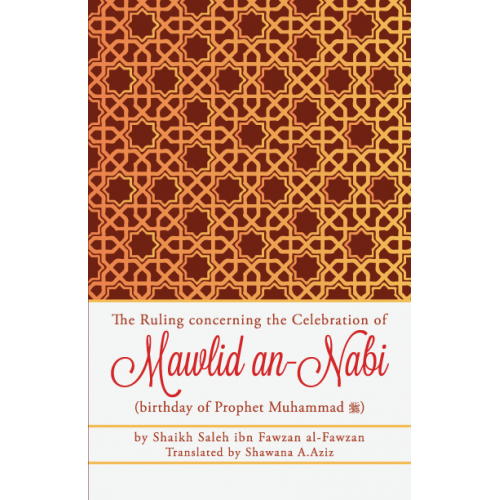
The Ruling Concerning the Celebration of Mawlid an-Nabi (2nd edition)
In this book, is an explicit CLARIFICATION of the MAJOR DOUBTS raised by the proponents of Mawlid an-Nabi, including:
- Mawlid an-Nabi is honoring the Prophet.
- Mawlid an-Nabi is celebrated by a large number of the people in many towns and cities.
- Commemorating Mawlid an-Nabi renews the memories of the Prophet.
- Celebration of Mawlid an-Nabi is cut of love for the Prophet and an expression of ones love, which is permissible.
- Mawlid an-Nabi is a Bidah Husna (good innovation) because it is a means of showing gratitude towards Allah for sending the Prophet.
- The sayings of Umar, ‘What a good Bidah is this?’
Additional quotes by Shaikh Muhammad ibn Ibraheem Aal-Shaikh have been added to further clarify these issues. The booklet also as 2 valuable appendixes:
Appendix 1: Explanation of the Hadeeth,”He, who established/initiates a Sunnah Husna in Islam.” in the word o Shaikh Saleh al-Fawzan and Shaikh Muhammad ibn al-Uthaimeen (rahimahullah)
Appendix 2: A Dialogue between Shaikh al-Albani (rahimahullah) and a proponent of Mawlid.
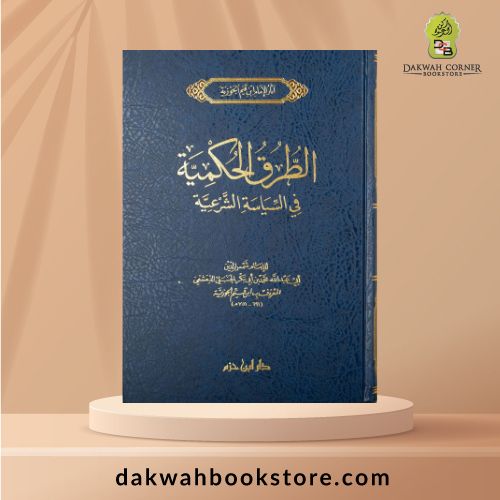
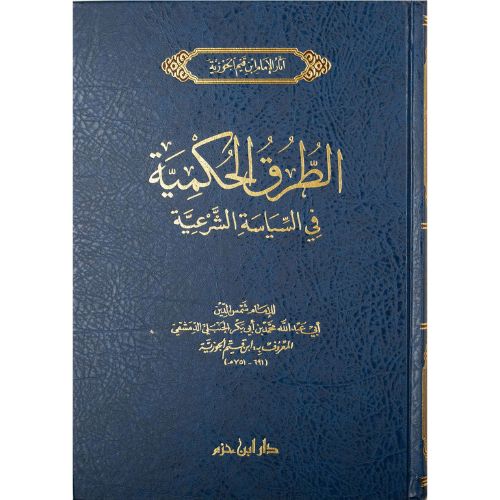
[AGB] Al Turqu Al Hukmiah Fi Al Siyasah Al Shariah / الطرق الحكمية في السياسة الشرعية
يتحدّثُ المؤلفُ بين صفحاتِ كتابهِ عن القضاءِ والسياسةِ الشرعيّة التي يتوجبُ على الأمراءِ والحكّامِ والقضاةِ أن يتّبعوها، ويقفُوا عندها ولا يتجاوزوها في كلِّ زمانٍ ومكانٍ لتحقيقِ الصّلاحِ للنّاسِ وإبعادِ الفّسادِ عنهم وتحقيقِ العدلِ والنأي عن الظلمِ، فراحَ يُوضّحُ ما يلزمُ أن يتوافرَ في القاضي من آدابٍ وصفاتٍ، .
There are no reviews yet.