

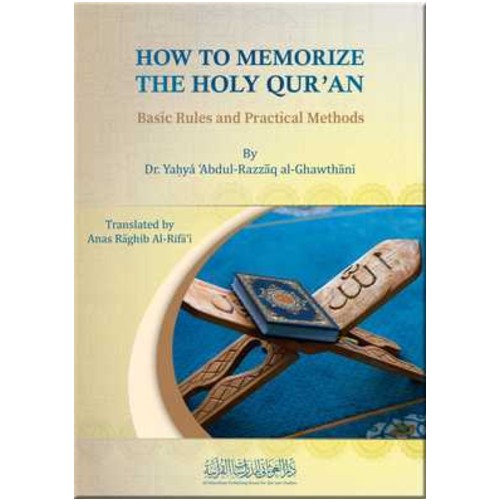
How to Memorize the Holy Qur’an (Kaifa Tahfaz Al-Qur’an Al-Kareem) The book (How to Memorize the Holy Qur’an) begins with praises by several of the best reciters. It shows the permanent preservation of the Qur’an by the Almighty, the advantages of memorizing it, and the status of memorization for the Prophet (peace and blessings of Allaah be upon him). It also shows the qualities and ethics of both the student seeking memorizing and the teacher, and the requirement of attaining knowledge for the righteous ancestors. It warns of forgetting the memorized, and reminds of the need to review the memorized verses and the importance and methods of reviewing in keeping the verses in mind. It states the basic rules and practical methods of memorizing the Holy Qur’an, which are adopted by the prominent figures of this science, and fully explains them. It also mentions more than twenty ways in how to memorize, addresses the difficulties and shows how to overcome them, and recommends special and general tips for the students seeking memorizing and others, so that neither the old nor the youth would do without them.
How To Memorize The Holy Quran: Basic Rules and Practical Methods
RM60.00
Out of Stock
somdn_product_page
Compare
SKU: QQ233
Categories: Holy Quran and Quranic Sciences, Quranic Science/ Related
Brand: Al-Ghawthani Dar
Additional information
| Weight | 0.500 kg |
|---|---|
| Dimensions | 25 × 18 × 2.5 cm |
| Author | |
| ISBN | 9789933605285 |
| Pages | 280 |
| Publisher | Dar al-Ghawthani |
Related Products


The Sources of the Qur’an
Highlights:
“Who is the author of the Qur’an?” On this subject scholars have flagrantly contradicted each other. This work attempts to make a critical review of the major ‘authorship’ theories by pressing into service logical arguments, historical evidence, textual analysis and scientific data. Probably, the only point of agreement about the Qur’an is that it was uttered for the first time by a man who was born in Makkah (Mecca), a city of Arabia, in the sixth century—a man by the name of Muhammad (blessings and peace be upon him). As to the source of the Qur’an, scholars are divided into three main groups: those who believe that Muhammad (blessings and peace be upon him) himself was the author; those who believe that he was not the author himself but learned it from another human author or authors; and those who believe that the Qur’an has no human author but is rather a word-for-word revelation from God. Hamza Njozi examines the three theories and comes to a firm and logical conclusion.
RM14.00
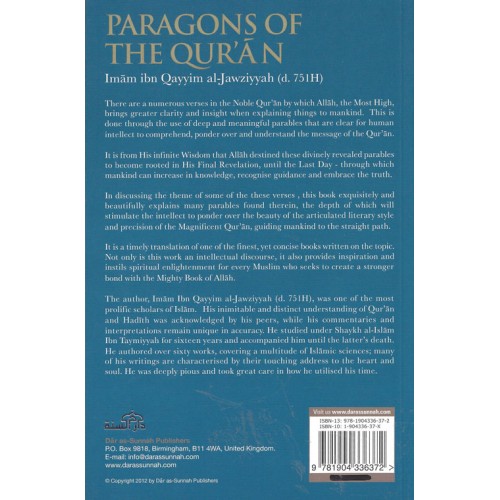
Paragons of The Qur’an (P/B)
Highlights:
In discussing the unique style, theme and content of the Qur’an – this is the first work of its kind in English literature.
There are a numerous verses in the Noble Qur’an by which Allah, the Most High, brings Greater clarity and insight when explaining things to mankind. This is done through the use of deep and meaningful parables that are clear for human intellect to comprehend, ponder over and understand the message of the Qur’an. It is from his infinite Wisdom that Allah destined these divinely revealed parables to become rooted in His Final Revelation, until the Last Day – through which mankind can increase in knowledge, recognise guidance and embrace the truth.
This book explains many parables in the Qur’an, in such depth – exquisitely and beautifully. It is an amazing work that will get the intellect thinking and pondering over the beauty and precisions of the Magnificent Qur’an, guiding mankind to the straight path. Not only is this work an intellectual discourse, but also a spiritual enlightenment for every Muslim.
It is a timely translation of one on the finest, yet concise books written on the topic. Not only is this work an intellectual discourse, it also provides inspiration and instils spiritual enlightenment for every Muslim who seeks to create a stronger bond with the Mighty Book Of Allah.
In discussing the theme of some of these verses, this book exquisitely and beautifully explains many parables found therein, the depth of which will stimulate the intellect to ponder over the beauty of the articulated literary style and precision of the Magnificent Quran, guiding mankind to the straight path.
RM49.00
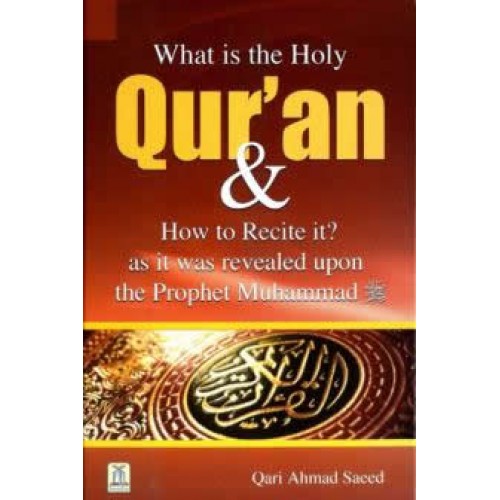
What is the Holy Quran & How to Recite it? (H/B)
Highlights:
This book guides readers to pronunciate the Arabic alphabet from their correct point of articulations. It also guides them to recite the Holy Qur’an according to the laws and principles of the art of recitation and intonation.
The correct pronunciation of the Arabic words and alphabet was difficult to some extent for the people living in the West as compared to those of East. So they need some more efforts to solve this problem and to make it easy for them.
By the grace of Allah, this book will do the job successfully and in a very convenient way.
RM46.00
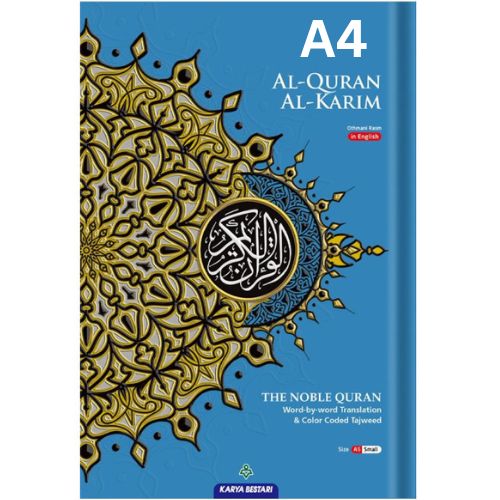
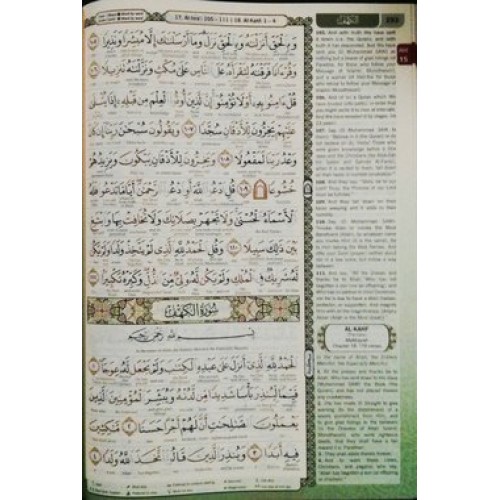
The Noble Quran Word-By-Word Translation & Color Coded Tajweed A4 (Arabic-English) – RANDOM COLOR
5 ★
5 ★
1 Rating
5 ★
1
4 ★
0
3 ★
0
2 ★
0
1 ★
0
Highlights:
The Noble Quran (Al-Quran Al-Kareem Maqdis) is a translation learning method of word-by-word Al-Quran with every word and sentence is colored differently, in Arabic and English.
Every word in the Quran was translated literally so that the reader could understand the meaning of every single word. It needs to be remembered that not all literal translation represents the exact meaning of the word since the Quran uses varied Arabic language style and sometimes metaphor.
Accordingly, to understand the full or intended meaning of the word or the verse, Muhsin Khan’s the Holy Quran Translation had been included in this edition. However, to comprehend more of the meaning of the Quran, reading the commentary of the Quran from trusted scholars would be necessary.
Approved by the Department of Islamic Development of Malaysia (JAKIM) and Malaysian Ministry of Home Affairs (KDN).
Features:
● Rasm Uthmani script in English
● Word-by-word translation Arabic-English
● Color coded tajweed
● Asbab al-Nuzul
● Authentic Hadiths
● Riyad-us-Saliheen
● Al-Quran Language Dictionary (Mu’jam)
Size A4 Large
SPECIFIC COLOR PLEASE DM US.
RM85.00

Starting from Scratch – Tajweed Made Easy
Highlights:
Holy Quran and Quranic Sciences
RM10.00
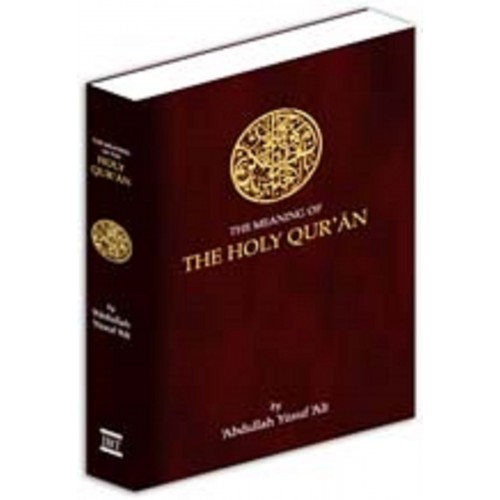
The Meaning of The Holy Qur’an -Pocket Size (P/B) (IBT)
Highlights:
This very handy pocket-sized edition contains the complete meaning of the Holy Qur’an, without the Arabic text and the commentaries. Weighing just under 170 grammes, sized 9.5 cm X 13 cm and with a thickness of 1.5cm, it is intended as a handy travel companion as well as a gift to friends and colleagues.
RM23.00
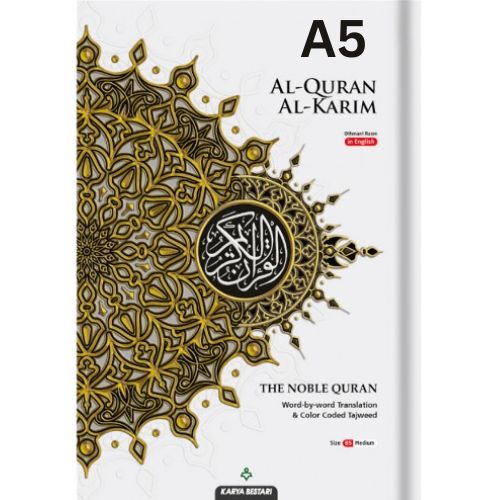

The Noble Quran Word-By-Word Translation & Color Coded Tajweed A5 Size (Arabic-English)
5 ★
5 ★
1 Rating
5 ★
1
4 ★
0
3 ★
0
2 ★
0
1 ★
0
Highlights:
Al-Quran Al-Kareem is a translation learning method of word-by-word Al-Quran with every word and sentence is colored differently, in Arabic and English.
Every word in the Quran was translated literally so that the reader could understand the meaning of every single word. It needs to be remembered that not all literal translation represents the exact meaning of the word since the Quran uses varied Arabic language style and sometimes metaphor.
Accordingly, to understand the full or intended meaning of the word or the verse, Muhsin Khan’s the Holy Quran Translation had been included in this edition. However, to comprehend more of the meaning of the Quran, reading the commentary of the Quran from trusted scholars would be necessary.
Approved by the Department of Islamic Development of Malaysia (JAKIM) and Malaysian Ministry of Home Affairs (KDN).
Features:
● Rasm Uthmani script in English
● Word-by-word translation Arabic-English
● Color coded tajweed
● Thematic Index
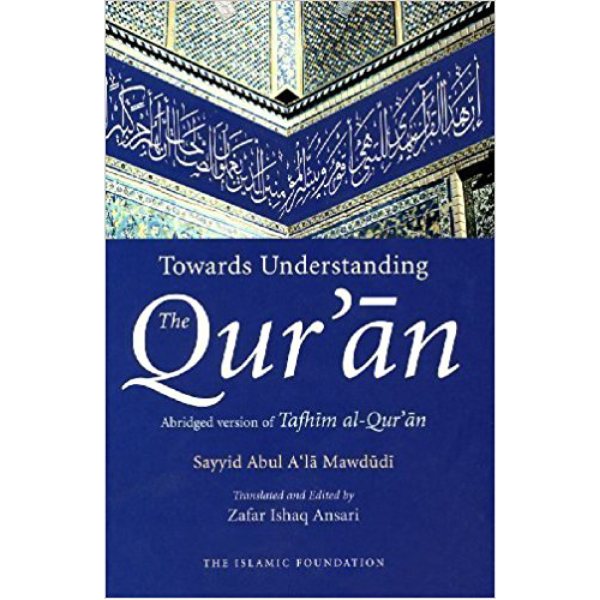
Towards Understanding The Quran : English/Arabic Edition (with commentary in English) (H/B)
Highlights:
Towards Understanding The Qur’an Abridged version is a fresh English rendering of Tafhim al-Qur’an, Sayyid Mawdudi’s monumental and masterly Urdu translation of the Qur’an and a selection of his commentary. Here is a work with a difference, by a scholar of an entirely different sort. An immense wealth of profound understanding of the Qur’an is here, a vast treasure of knowledge and deep insight, and a valuable exposition of some social, political, economic and legal teachings of the Qur’an. But what makes this work unique is that it presents the Qur’an as a book to be lived by, a mission to be lived for, and a duty that the reader can no longer evade or postpone. This rare quality is imparted not only by the depth of his scholarship and style of exposition but also because Sayyid Mawdudi lived by what he expounded as his life abundantly proves. Despite being an abridged version it endeavors to answer many contemporary questions and makes the Qur’an fully relevant to the concerns of our day, yet it loses nothing of its timelessness nor sacrifices any of the traditional understanding. It demonstrates the unity and coherence of the Qur’an by centering everything in it on its message, like pearls hung upon a single thread. A Glossary, Biographical Notes, and General and Subject Indexes add to the understanding of the Qur’an. To sum up: in this work, Sayyid Mawdudi is offering us what we need most to understand and live by the Qur’an.
RM120.00
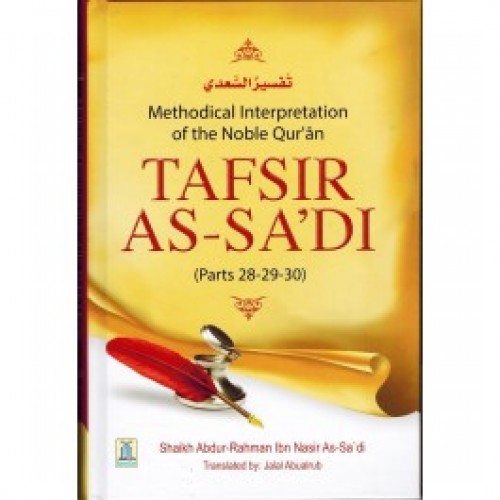
Tafsir As-Sadi (Parts 28-29-30) Methodical Interpretation Of The Noble Quran (H/B)
Highlights:
Tafsir As-Sa’di is a straightforward, easy to read, easy to understand explanation of the meaning of Qur’anic Ayat and statements. In addition to the simplicity of Ibn Sa’di’s writing, it is also articulate and eloquent.
Consequently, for those newly acquainted with Tafsir and those new to Islam, this Tafsir provides an uncomplicated, deep and insightful comprehension into the meaning and explanation of the Qur’an.
The uniqueness of this Tafsir is in the style the Shaikh used to explain the Ayat in a way that it is similar to everyday writing, without listing the various prophetic sayings or statements of the scholars of Tafsir, which Shaikh Ibn Sa’di used as a basis of his Tafsir.
RM80.00
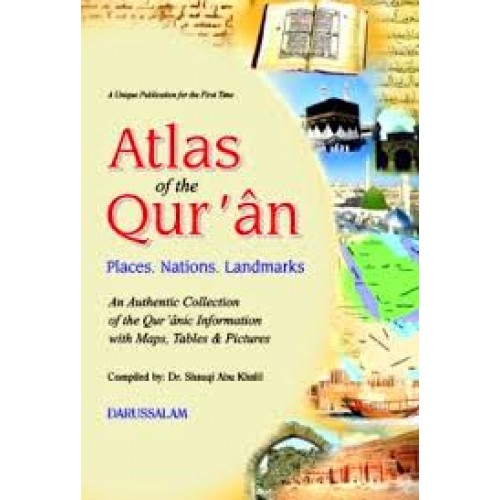
Atlas of the Qur’an (Darussalam)
Highlights:
This Atlas is new in its subject, a subject that has not been touched before. It helps whoever recites the Qur’an or studies it to specify the locations mentioned by the Noble Verses, and to mark those places of ancient people mentioned in the Qur’Gn. This is besides locating areas where the incidents of the prophetic Seerah occurred.
Eventually the diligent reader will easily recognize those places, learn about them, and take heed of them while reciting.
Eventually the diligent reader will easily recognize those places, learn about them, and take heed of them while reciting. The Atlas has also revealed obscure places we used to pass through inattentively, like the site where Nuh’s Ark settled, the site of the curved Sand-hills {Al Ahqah}, the cave of the young faithful men, the houses of median, the site of Sodom and other places determined by the Atlas depending on reliable sources.
Thus the Atlas eliminates all the guessing and the fantasies we used to encounter when reciting the Noble Quran, and takes us to the specific place.
RM80.00
Recently Viewed
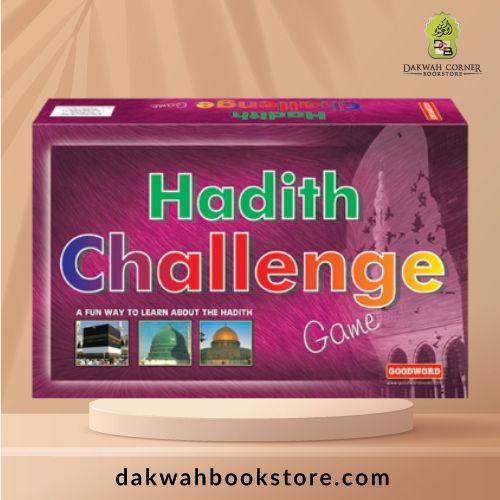
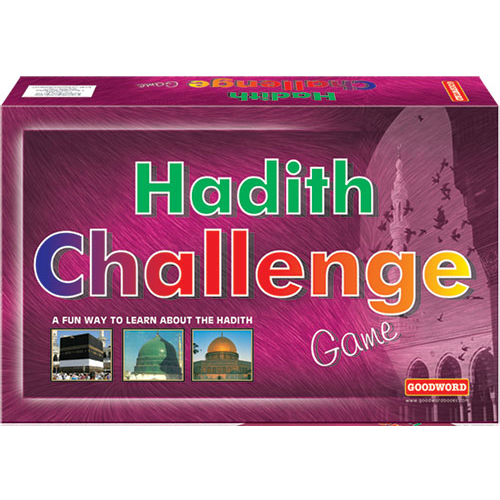
Hadith Challenge Game
Highlights:
The Hadith Challenge Game is a unique game based on sayings of the Prophet Muhammad. The idea behind this game is to provide the children with both fun and education. All questions are based on the authentic sayings of the Prophet Muhammad. They have been creatively worked into this game and children will enjoy answering them. This game can be played at school or at home with all the family members. Begin your journey and find out what fun it is to learn from the Hadith.
RM55.00
RM33.00 RM46.00
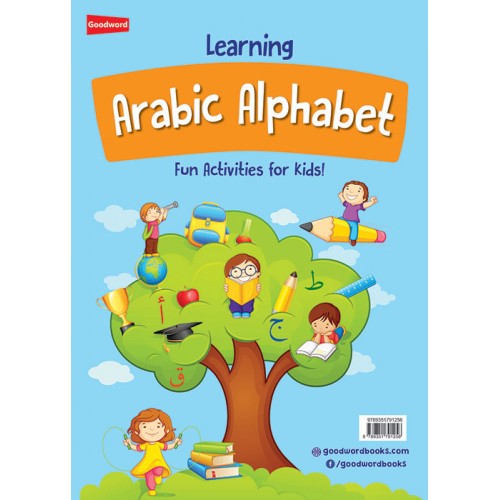
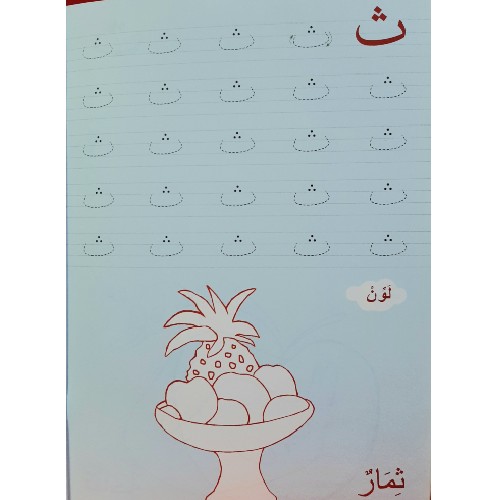
Learning Arabic Alphabet
Highlights:
Fun activities for kids to learn the Arabic alphabet!
RM13.00


Let Us Remember Allah And Praise Him
Highlights:
Remembrance, praise and supplication – dhikr and du‘â’ – are the core of worship of the Divine. The Noble Qur’an and the last Prophet (blessings and peace of Allah be upon him) have stressed this point and taught us how to attain Allah’s pleasure through calling on Him and remembering Him in words of praise and thankfulness. This small book is a valuable collection of daily supplications from the Qur’an and the authentic hadiths. It contains the Arabic text, full transliteration and clear translation of the meaning of dozens of phrases of remembrance (dhikr) and supplication (du‘â’). This new and revised edition of Let Us Remember Allah and Praise Him is designed to be easy to use: its full-sized page format ensures that the print is large enough to read effortlessly, and yet its ultra-slim volume makes it no trouble to slip into a handbag or backpack. It is truly a practical handbook for every Muslim desiring to seek peace in this earthly life and salvation in the hereafter.
RM12.00


Devotion in Prayer P/B
Highlights:
The lack of reverence [khushi] in prayer has become a widespread phenomenon. Despite the well-known methods of achieving khushu methods in the Sunnah of the Prophet, rarely do we find a Muslim who is satisfied with his khushi in his prayer. In this book, we present a new theory, the theory of the pyramid of khushů, which consists of five levels, and which aims to gradually elevate the worshiper until he reaches a complete peace of mind in his prayer. This theory is implementable, practical, and based on the Qur’an and the Sunnah.
RM65.00

The Middle Path of Moderration in Islam (H/B)
Highlights:
In The Middle Path of Moderation in Islam, leading Islamic law expert Mohammad Hashim Kamali examines the concept of wasatiyyah, or moderation, arguing that scholars, religious communities, and policy circles alike must have access to this governing principle that drives the silent majority of Muslims, rather than focusing on the extremist fringe. Kamari explores wasatiyyah in both historical/conceptual terms and in contemporary/practical terms. Tracing the definition and scope of the concept from the foundational sources of Islam, the Qu’ran and Hadith, he demonstrates that wasatiyyah has a long and well-developed history in Islamic law and applies the concept to contemporary issues of global policy, such as justice, women’s rights, environmental and financial balance, and globalization.
Framing his work as an open dialogue against a now-decades long formulation of the arguably destructive Huntingtonian “clash of civilizations” thesis as well as the public rhetoric of fear of Muslim extremism since the attacks of September 11, 2001, Kamali connects historical conceptions of wasatiyyah to the themes of state and international law, governance, and cultural maladies in the Muslim world and beyond. Both a descriptive and prescriptive meditation on a key but often neglected principle of Islam, The Middle Path of Moderation in Islam provides insight into an idea that is in the strategic interest of the West both to show and practice for themselves and to recognize in Muslim countries.
RM189.00
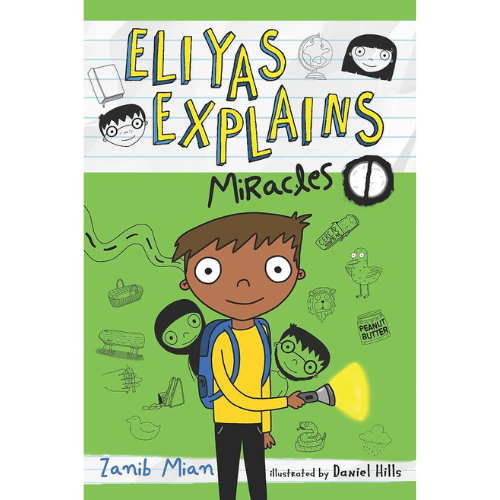

Eliyas Explains: Miracles
Highlights:
The second in a lively middle-grade series by prize-winning author, Zanib Mian. This children’s Islamic book is fantastic for those children reading for themselves.
RM45.00
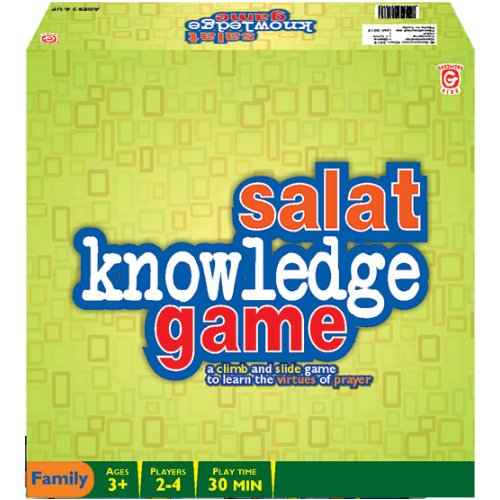
Salat Knowledge Game
Highlights:
The Salat Knowledge Game is suitable for 2 to 4 players aged three and above. In this game of slides and ladders, you spin the wheel and race to the finish before your friend reaches there. Along the way you learn the meaning and message of salat, that is, the five daily prayers. If you miss a prayer, you go down through the slippery slide, but if you offer it on time and with care, you climb up the ladder. And that is not all. There are chances to win a Salat Card too. Answer the question given on the card correctly and increase your knowledge about the five daily prayers. In this way, you don’t just try to run for the finish line, but learn all about salat as well. Isn’t this a fun way to play and learn!
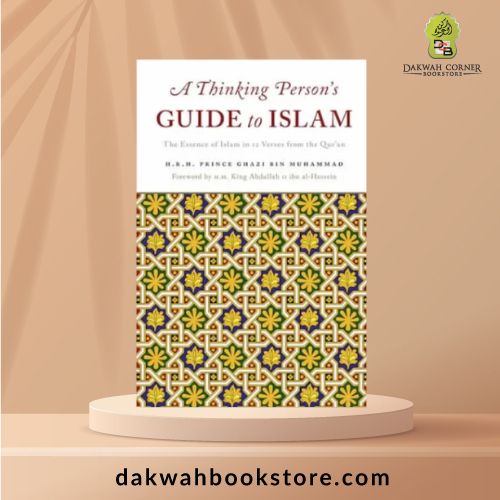
A Thinking Person’s Guide to Islam
Highlights:
The world is at a crossroads today. A tiny minority of Muslims seems to be bent on hijacking the religion of Islam and bringing it into perpetual conflict with the rest of the world. Because of their actions, very few non-Muslims understand the real difference between Islam as it has always been, and the distorted perversions of Islam today. This book is an attempt to positively say what Islam actually is—and always was—as well as what it is not.
RM80.00
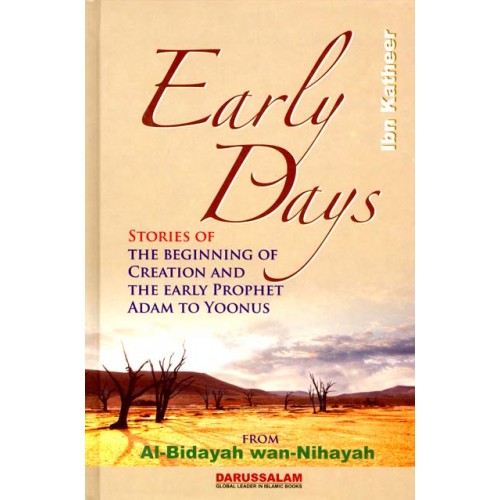
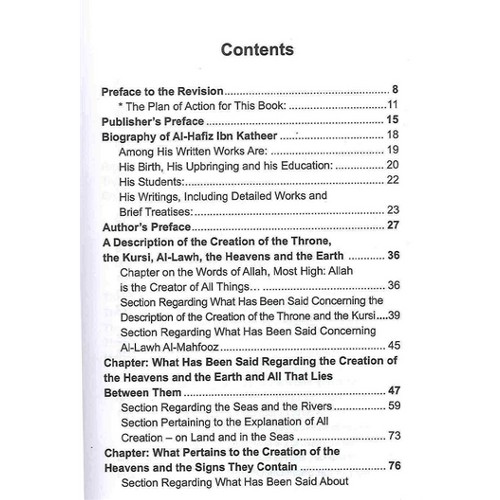
Early Days : From Al – Bidayah wan – Nihayah (H/B)
4 ★
4 ★
1 Rating
5 ★
0
4 ★
1
3 ★
0
2 ★
0
1 ★
0
Highlights:
The book starts by describing the beginning of creation- from the throne and the Kursi, the universe and all that is in it , such as the angels, the jinn and humans . The book also recounts stories from the lives of the prophets and their nations up to the times of the children of Israeel and the Days of Igorance,which ended with the advent of the final Prophet Muhammad ( PBUH ).
RM80.00
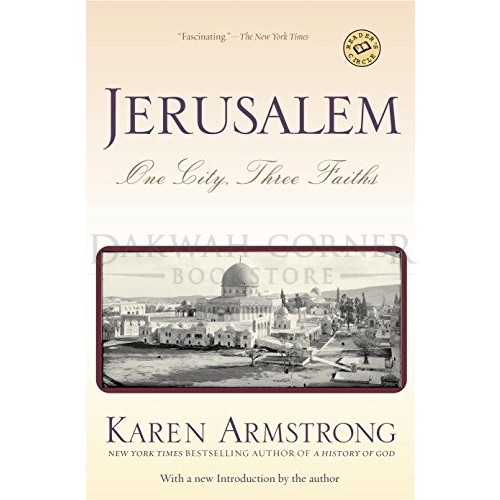
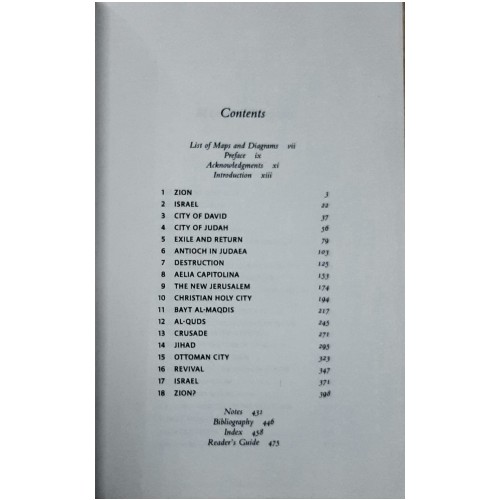

In Search of God (P/B)
Highlights:
Some thinkers has said, ‘A smattering of knowledge turns people away from God. Grater knowledge brings them back to Him’. The author concludes in this book by examining various theories that the choice humanity have is not between the universe with God and the universe with God and the universe without God. The real option is between the universe with God and no universe at all. Therefore humanity is compelled to opt for the proposition the universe with God. Hence it is logical to say I exist, therefore, God exists.
RM11.00
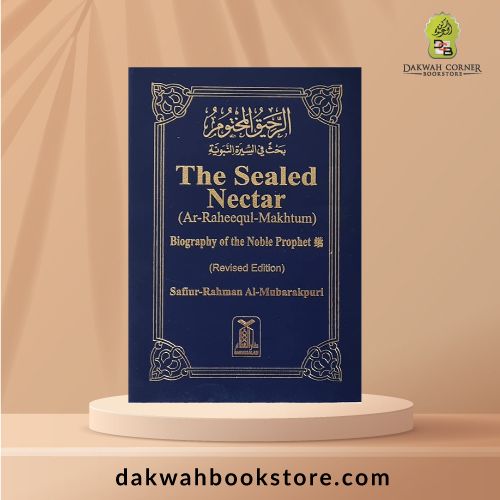
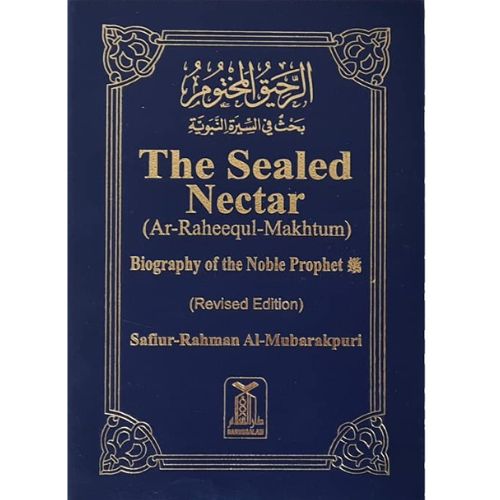
The Sealed Nectar (Pocket Size)
5 ★
5 ★
1 Rating
5 ★
1
4 ★
0
3 ★
0
2 ★
0
1 ★
0
RM65.00
The Spiritual Cure An Explanation to Surah al-Fatihah (P/B)
Surah al Fatiha is the greatest chapter of the Qur’an, its like is not found in the rest of the Book or in the previous scriptures. It is a
Light that was granted to Prophet Muhammad (S) which had not been granted to any other Prophet or Messenger before him; indeed
some of the Salaf stated that when this chapter was revealed, Shaytãn l let out a great cry of lament.
It holds a central position in the daily Prayer hence the daily life of the Muslim.
The underlying theme, of al-Fatiha is one of contemplation and serenity; pondering the Names and Attributes of Allah, pondering the creation , and acknowledging that He Alone deserves praise and Worship, that He Alone should be asked for help, that He Alone Should be feared and hoped in, that He Alone should be invoked, that there is indeed a Day of Judgment, and that guidance has come to us and we are required to follow it.
It calls us to carefully scrutinise our relationship with our Lord: are we living according to the dictates of ‘none has the right to be worshipped save of Allah’ or not? This opening chapter, despite its brevity, calls man to fulfil the rights of Tawhid, the right that Allah has over us to worship Him Alone without any partner
A Summary of numerous Classical Commentaries of the Qur’an
at-Tabari, al-Baghawi, Az-Zamakhshari, ibn Atityyah, Ibn Jawzi, Al-Qurtubi, Ibn Qayyim, Ibn Kathir, as-Suyuti, Alusi, ash-Shawkani, as-Sa’di, ash-Shaqiti and many Others