

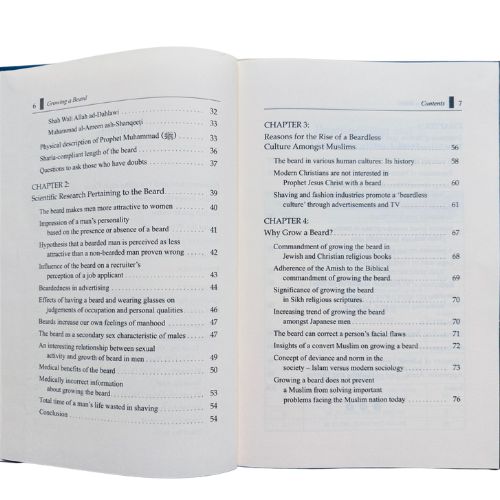
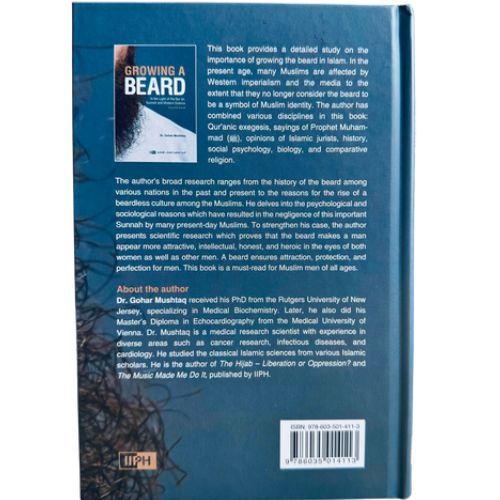

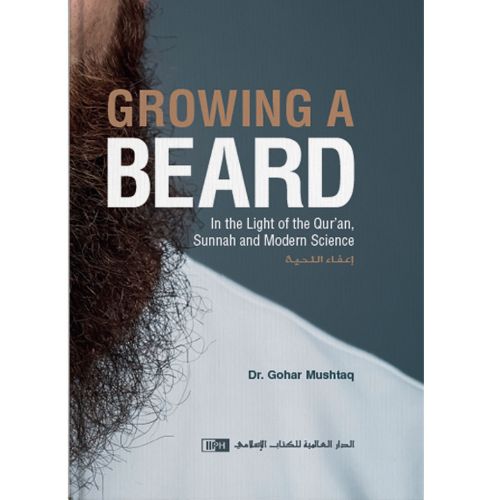
In this book, Dr. Gohar Mushtaq elucidates a neglected Sunnah – growing the beard. In a frank and to-the-point style, he presents an all-inclusive analysis of the beard: its historical and religious importance – not only in Islam but also in other faiths – along with its sociological perceptions and biological characteristics. This book is a must-read for Muslim men of all ages.
Growing a Beard (IIPH)
RM46.00
Hurry up, Only 3 left.

Frequently Bought Together
1 Item
RM46.00
2 Add-Ons
RM116.00
Total
RM162.00
Additional information
| Weight | 0.280 kg |
|---|---|
| Dimensions | 22 × 15 × 1 cm |
| Author | |
| Binding | Hardcover |
| ISBN | 9786035014113 |
| Pages | 112 |
| Publisher | IIPH |
Related Products
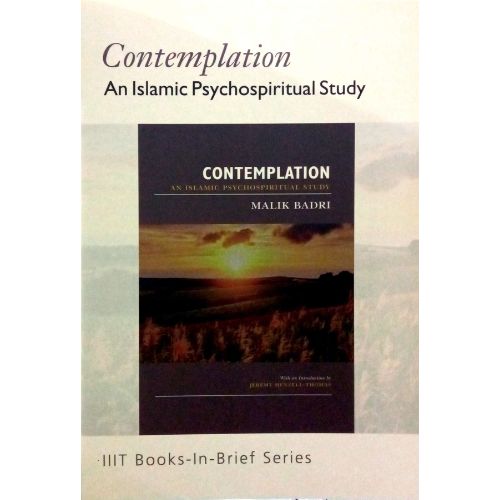
Contemplation: An Islamic Psychospiritual Study (IIIT) (Book in Brief Series)
4 ★
4 ★
1 Rating
5 ★
0
4 ★
1
3 ★
0
2 ★
0
1 ★
0
Highlights:
IIIT Books-In-Brief Series is a valuable collection of the Institute’s key
publications written in condensed form to give readers a core under-standing of the main contents of the original.
RM45.00
Scientific Facts Revealed In The Glorious Quran
Highlights:
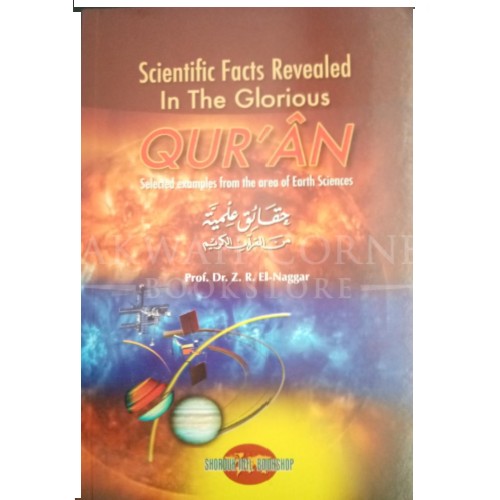
Scientific Facts Revealed in the Glorious Qur’an : Selected examples from the area of Earth Sciences, by geologist Prof. Dr. Z. R. El-Naggar. This small book includes has 16 pages with color illustrations to help the reader visualize what the author explains. He discusses verses in the Qur’an with the supporting scientific facts.
RM7.00 RM10.00
Islamic Verdicts on Medicine & Cosmetic Surgery
Highlights:
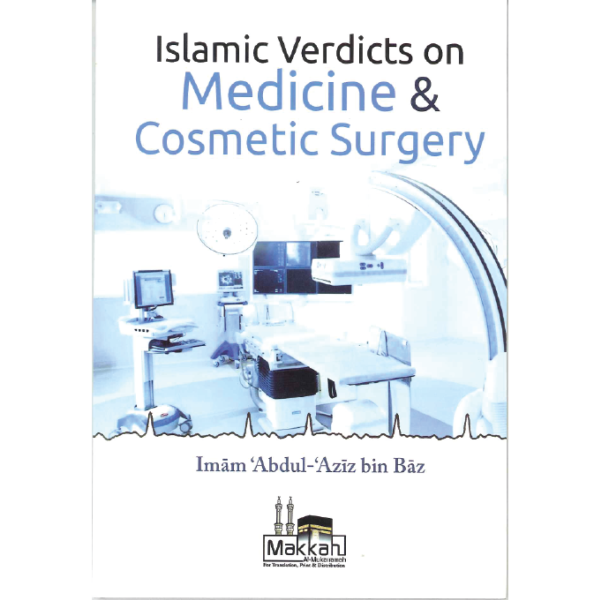
We had the honor of our eyes being gifted with seeing his eminence Imam Abdul Aziz Bin Baz may Allah bestow upon him immense mercy and of sitting with him when he delivered verdicts regarding rulings of the Shariah on many medical issues which have been increasingly asked about by patients and people working in the medical field. We focused ourselves, with success granted by Allah, on the authenticity of medical information to the best of our ability. We have applied our best efforts in its presentation while simplifying it as much as possible. This is so that it is easily understood by those who are not specialists in medical fields.
RM45.00
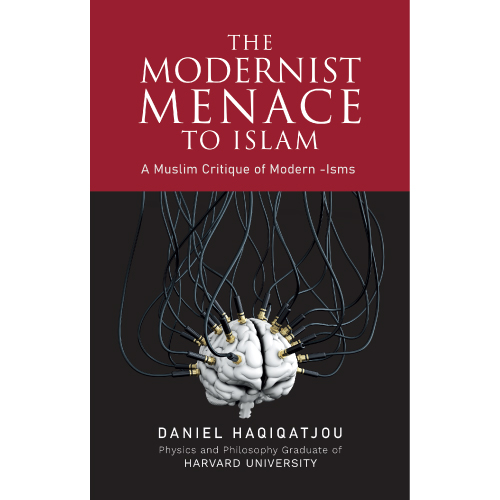
The Modernist Menace To Islam
5 ★
5 ★
8 Ratings
5 ★
8
4 ★
0
3 ★
0
2 ★
0
1 ★
0
RM35.00
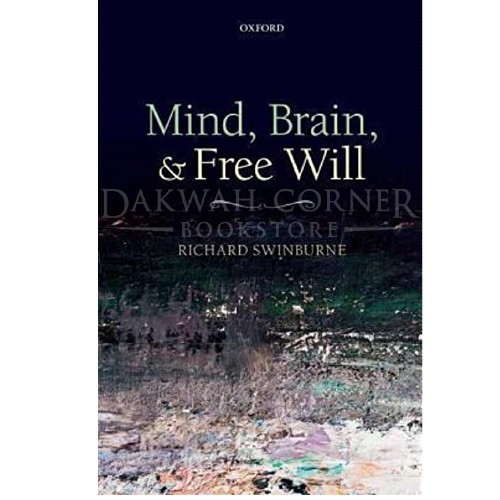
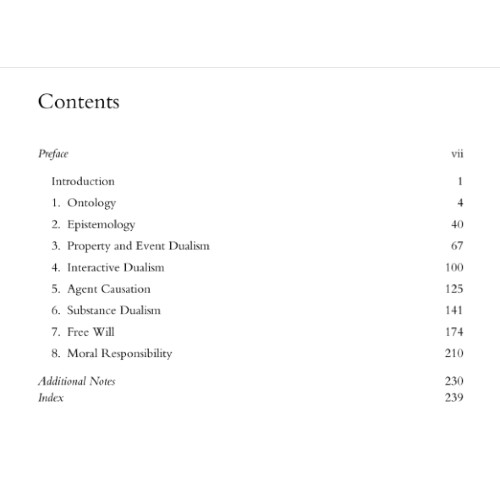
Mind, Brain, & Free Will (P/B)
Highlights:
Mind, Brain, and Free Will presents a powerful new case for substance dualism (the idea that humans consist of two parts–body and soul) and for libertarian free will (that humans have some freedom to choose between alternatives, independently of the causes which influence them). Richard
RM140.00
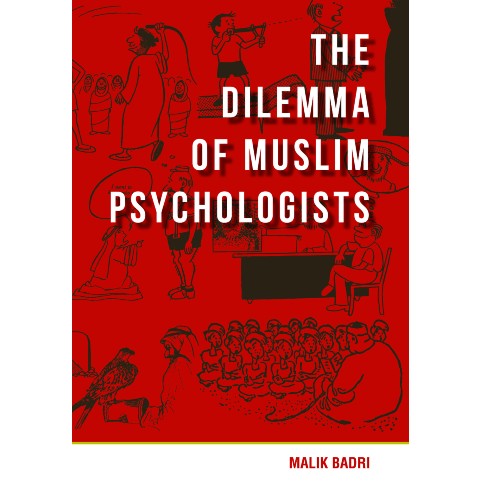
The Dilemma of Muslim Psychologists (P/B) (IBT)
Highlights:
Psychology, with all its by-products and off shoots, has assumed in the West the status of religion, and for many people has replaced it. As in other areas of social sciences, some Muslim thinkers and scholars have developed an amazing skill for the unthinking repetition and blind copying of Western, non-Islamic ideas and practices. “In the Lizard’s Hole” is a Prophetic epitaph that describes this activity very well. Some Muslim psychologists insist dogmatically on prying even into lizard’s holes that have been partly or totally abandoned by their Western counterparts. But do Muslims really need modern psychology at all? Is modern psychology wholly Western? Is there a way in which it could be reconciled with Islam? These burning questions lie lurking behind the dilemma of Muslim psychologists.
RM33.00
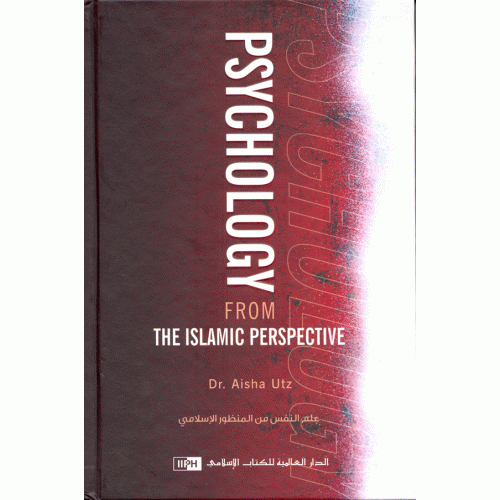
Psychology From The Islamic Perspective
Highlights:
Islam offers a precise, uncomplicated, and comprehensive theory of our spiritual nature, our purpose and priorities in life, and how we can attain serenity and happiness in this life and the next. In Psychology from the Islamic Perspective, Dr. Aisha Utz Hamdan includes specific references to scientific research that corresponds to, or builds upon, what is already known from revelation.
RM75.00
Recently Viewed

The Purpose of Creation (P/B)
Highlights:
Mankind must know about the purpose of their existence, their responsibility towards their Creator, and what they must do in preparation for the Day in which they shall return to Him – this work addresses these issues aptly in the authors usual readable style.
RM15.00
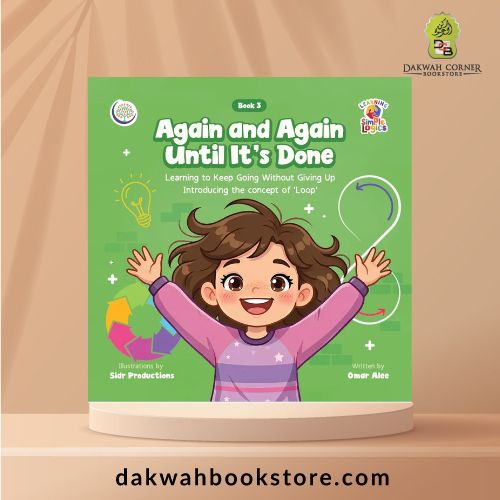
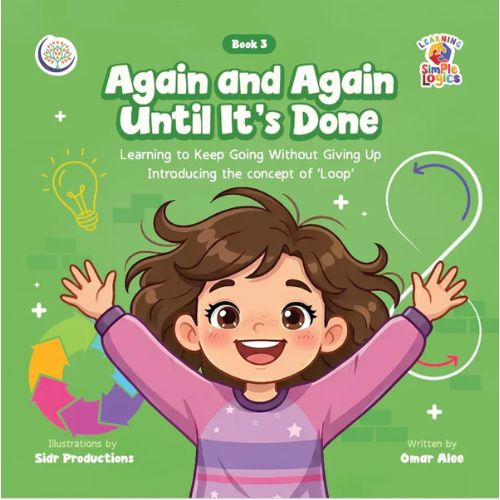
Again And Again Until It’s Done
Highlights:
This story shows the power of repetition and persistence. Whether practising, cleaning up, or completing a task, children learn that repeating an action helps them reach their goal. The book encourages patience, consistency, and confidence through everyday examples.
RM20.00


Divine Speech
5 ★
5 ★
3 Ratings
5 ★
3
4 ★
0
3 ★
0
2 ★
0
1 ★
0
Highlights:
The Quran, the sacred scripture of Islam, is revered as the spoken word of God by approximately one-fifth of the world’s population. Since its inception, the power of the Quran has derived not only from its message, but also from the inimitable literary style and rhetorical impact that the Arabic scripture has on its audiences. Divine Speech: Exploring the Quran as Literature attempts to make some of the most recent Arabic and European-language scholarship on its literary features accessible to a wider, English-speaking audience. These features include its language and word choice, its use of figures of speech and other rhetorical devices, its manner of narrating parables and stories, and the structure, coherence, and the order of its “chapters”-aspects that typically remain mysterious to readers of English translations of the text. Divine Speech furnishes its readers with a better appreciation of the Quran from a literary perspective, and in the process stimulates interest in, and provides tools and resources for, further study of the scripture.
RM100.00
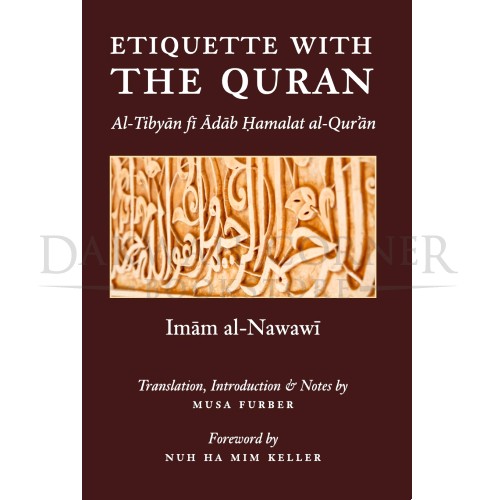

Etiquette With The Quran (Islamosaic)
Highlights:
An enduring classic work on the etiquette that a Muslim must or should have with regard to handling and reciting the Quran (the Muslim scripture). The topics this volume raises include: ritual cleanliness, opportune times for recitation, the etiquette that students have with their teachers (and that teachers must have with their students), and variety of other issues that every Muslim should know and frequently ask about.
He present works was designed and written to explain to men and women how best to benefit from the Book of Allah. The blessing of the Quran is that whoever recites it as it should be recited is changed by it, and brought by imperceptible degrees to see why everything is the way it is. The seed of this knowledge is a humble intention to draw nearer to the Divine, the soil in which it takes root are reverence, awe, and love, ant its fruit is this world and the next. It is well known to everyone conversant wuth the Islamic disciplines that the learning of many thins does not teach wisdom, and that traditional books do not reveal their secrets or bestow their benefits to those without the key to them.
This key is adab, the “the right way of doing things,” rendered in the title as “etiquette.”… Books, especially sacred ones, give their knowledge to those of adab, and Westerns who know something about the sciences of Islam have been waiting for a book like this in English for a long time.
-From the Foreword by
Nuh Ha Mim Keller
RM57.00
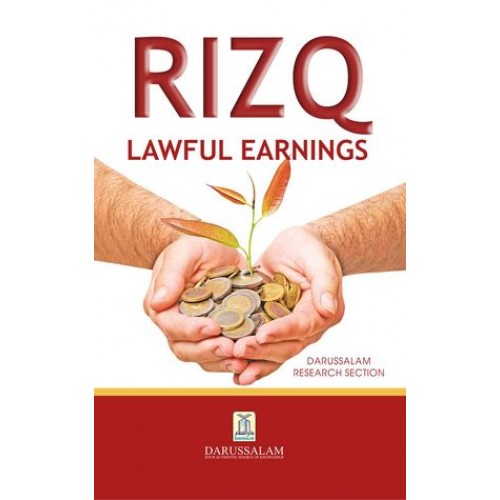
Rizq Lawful Earnings (P/B)
Highlights:
Narrated by Umar Ibn al-Khattaab (May Allah be pleased with him), the Prophet (Peace be upon him) said:
“If you put your faith completely in Allah, He will arrange for your sustenance in the same way as he provides for the bird. They go out in the morning with their stomachs empty and return filled in the evening.” (Tirmidhee)
This book discusses the place of pride Islam gives to making lawful earnings and rizq through hard work and striving. It also looks at the contempt Islam places on begging and indolence. Then it looks at which earnings are lawful, which are not and the many ways by which wealth can increase while seeking the pleasure of Allah (Glorified and Exalted is He).
RM30.00
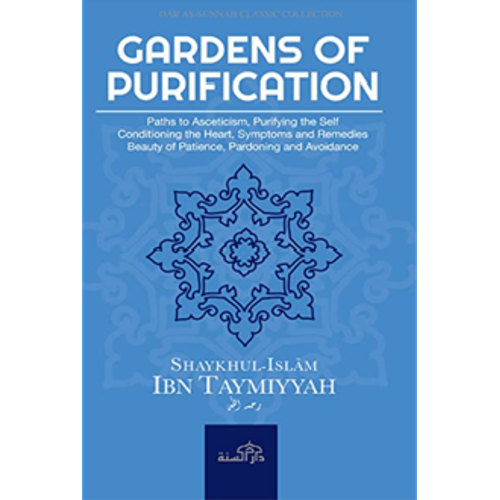
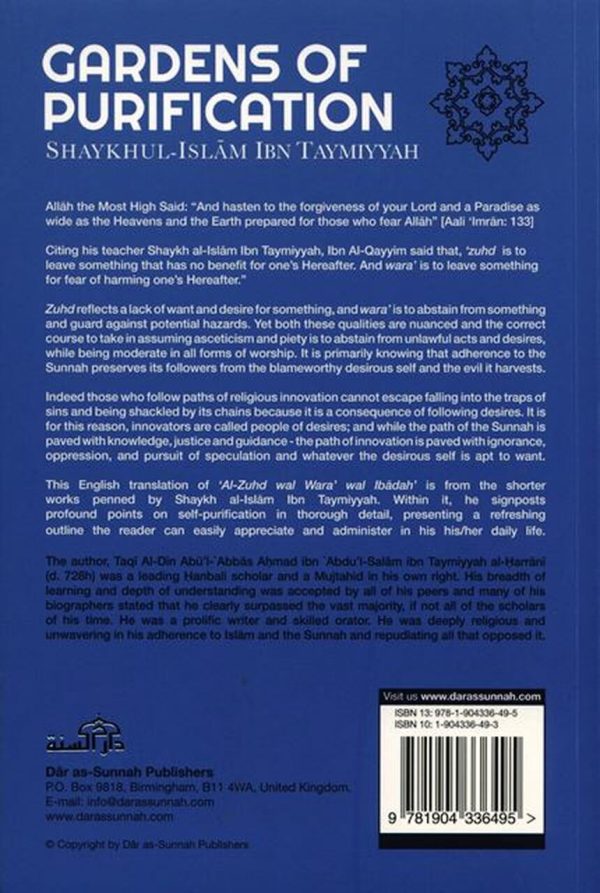
Gardens of Purification
5 ★
5 ★
1 Rating
5 ★
1
4 ★
0
3 ★
0
2 ★
0
1 ★
0
Highlights:
Paths to Asceticism, Purifying the Self. Conditioning the Heart, Symptoms and Remedies. Beauty of Patience, Pardoning and Avoidance
RM90.00
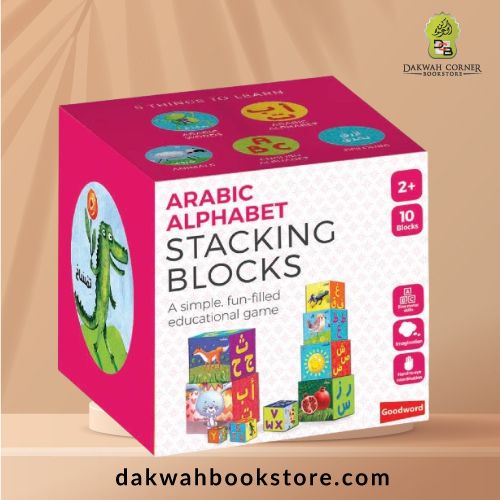

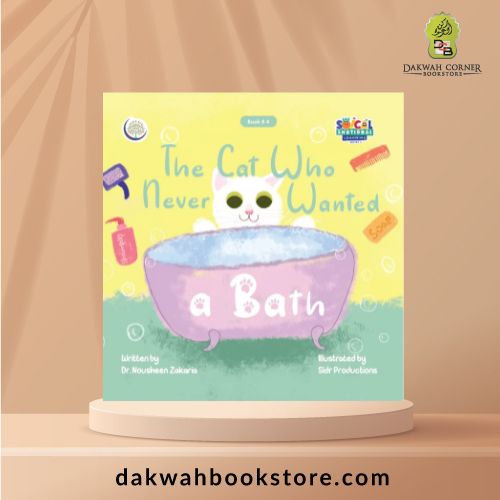

The Cat Who Never Wanted a Bath
Highlights:
The Cat Who Never Wanted a Bath is a heartwarming story about Fatima and her playful cat, Mimi—who will do anything to avoid bath time! Through laughter, muddy adventures, and gentle lessons, children learn that cleanliness is not just about looking neat but is an important part of faith. Rooted in Islamic teachings, this beautifully illustrated story helps little readers understand that staying clean pleases Allah and reflects gratitude for His blessings. With humor and tenderness, it encourages children to develop healthy habits, patience, and empathy, while reminding families that even everyday routines can become moments of love, learning, and faith.
RM25.00
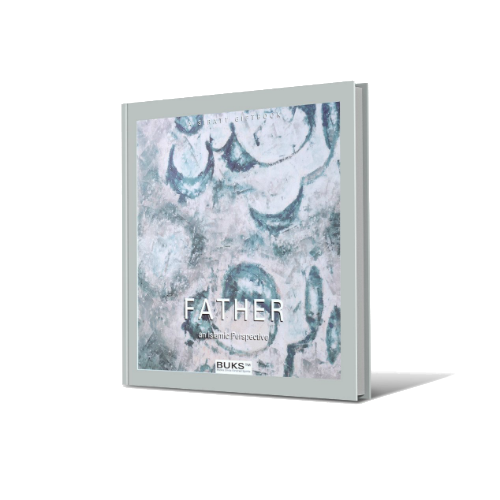
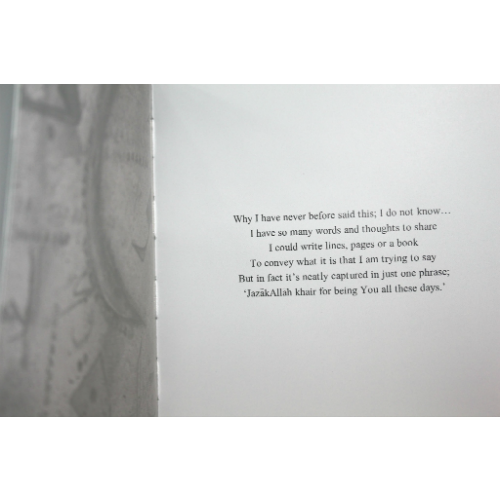
FATHER
Highlights:
Father The perfect gift to give a loved one or indeed to educate oneself as to the significance Islam places on this important relationship through relevant Qur’anic Ayah, Hadith, and Islamic Poetry.
Example Quotes from GiftBook: .
And your Lord has decreed that you worship none but Him. And that you be dutiful to your parents. And if one of them or both of them attain old age in your life, say not to them a word of disrespect, nor shout at them, but address them in terms of honour. And, lower to them (out of kindness), the wing of submission through mercy, and say, My Lord! Bestow on them Your Mercy, as they cherished me and brought me up when I was small.
[Q17:23-24]
Protecting me from all the dangers that be That was your fatherly duty, But the time you invested in advising me Is more than anyone afforded me. Your strength was not in brawn but in diplomacy, I always felt safe in your company. You were the glue that kept everyone together, InshaAllah in Paradise we’ll live happily forever.
Ideal gifts to convey what we sometimes find difficult to say through relevant Qur’anic Ayah, Hadith, and Islamic Poetry.
RM36.00
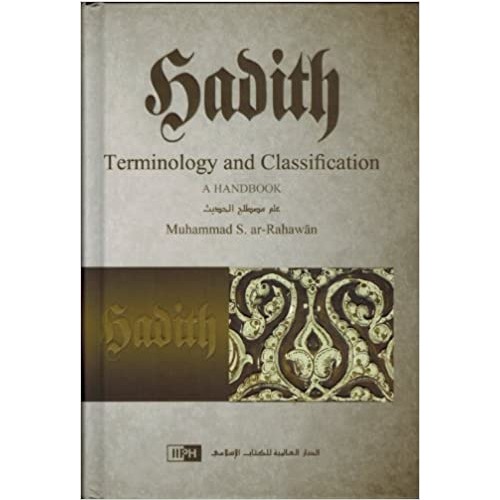
Hadith Terminology and Classification (H/B)
Highlights:
Islam is a complete way of life that enlightens through the Qur’an and the Sunnah, the true path of guidance and success in this world and the hereafter. However, one must accurately comprehend what has been ordained through the Sunnah and identify the authentic hadiths of the Prophet (blessings and peace be upon him). To do that, it is imperative to understand the rules that govern the classification and definitions of hadith methodology and criticism.
RM65.00
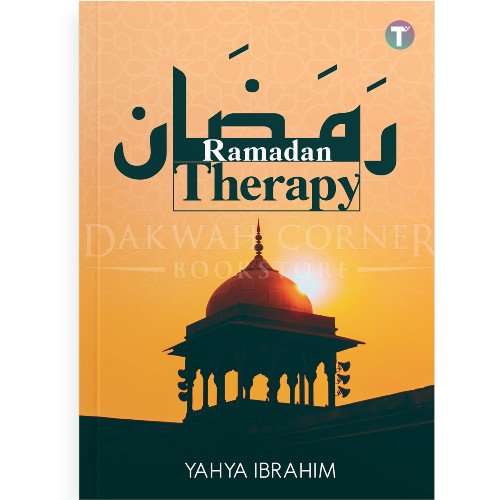
Ramadan Therapy
Highlights:
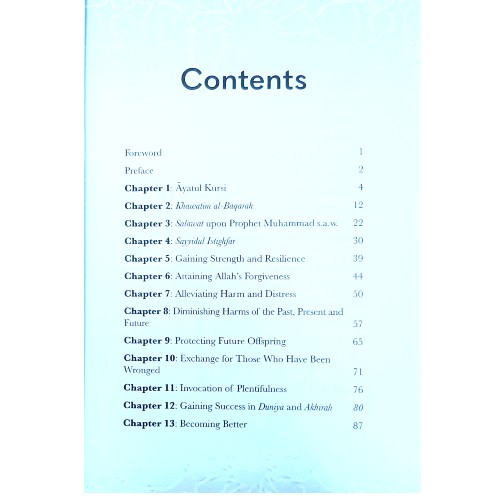
For every situation, Prophet Muhammad S.A.W. has prescribed various Du’a that can be read throughout Ramadan and even after it, as a form of therapy. It is with hope and faith that positive changes can come out of this beloved month of Ramadan to those who seek it.
RM60.00

RM21.00

The Problems of the Illegitimate Child (P/B)
Highlights:
This book addresses the views of the Sunni scholars regarding the importance of genealogical relationship (nasab) in Islamic family law and examines the role of legitimacy on the basis of the legal maxim “al-walad li al-firash”, evidence (al-bayyinah), and doubtful intercourse (wat’ shubhah). It also elucidates the views of the Sunni schools of law on how to establish illegitimacy. For the Sunni jurists, there are several situations that determine the illegitimacy of the child. A child is considered illegitimate if its birth is the outcome of adultery (zina) or the result of legitimate union but accompanied with imprecation (li‘an). Other circumstances include the birth of the child taking place in less than six lunar months, the father of the child being categorized as one who is incapable of begetting, or the birth as a result of marital relationship considered unlawful because of consanguinity. The book also deals comprehensively with the moral, religious, legal and other aspects of the illegitimate child and the foundling in the works of the Sunni jurists. The status and rights of the illegitimate child and the foundling in the Islamic family law of Malaysia and Brunei are also discussed by referring to some provisions from Federal Territory Act 1984 (Act 303) and Brunei law.
RM49.00
Essentials Of Bid’ah
5 ★
5 ★
2 Ratings
5 ★
2
4 ★
0
3 ★
0
2 ★
0
1 ★
0
Highlights:
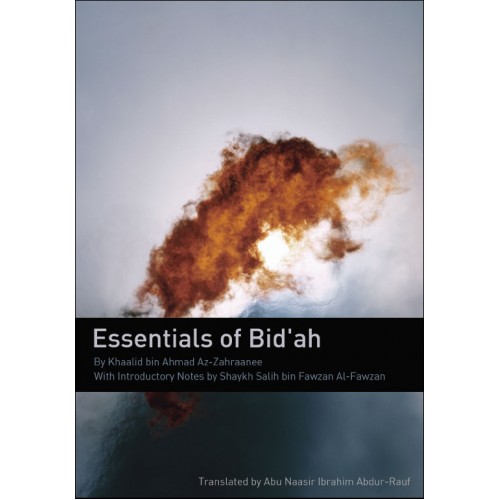
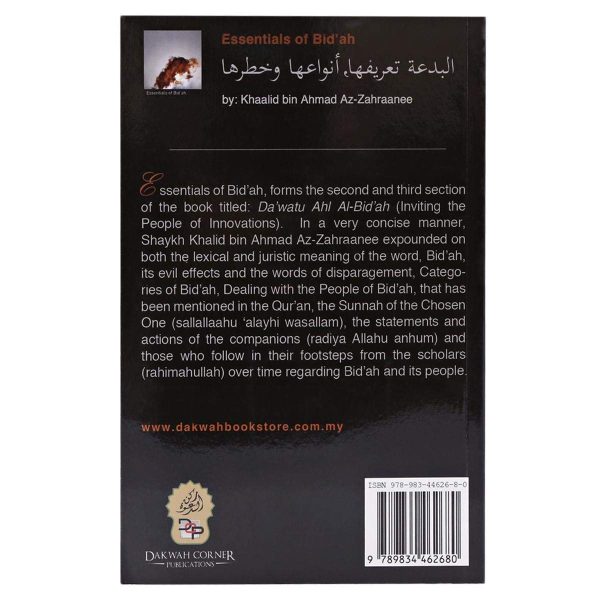
Essentials of Bid’ah forms the second and the third section of the book titled: Da’watu Ahl-Bid’ah (Inviting the People Of Innovations). In a very concise manner Shaykh Khalid bin Ahmad Az Zahraanee expounded on both the lexical and juristic meaning of the word Bid’ah, it’s evil effects and the words of disparagement, categories of Bid’ah, dealing with the people of Bid’ah, that has been mentioned in the Qur’an, the Sunnah of the Prophet, the statements and actions of the Companions and those who follow in their footsteps from the scholars over time regarding Bid’ah and its people.
RM13.00