




| Weight | 0.24 kg |
|---|---|
| Author | |
| Binding | Hardcover |
| Pages | 232 |
| ISBN | 9786035010283 |
| Publisher | IIPH |
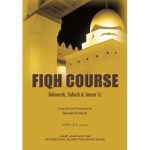
Fiqh Course: Tahaarah, Salaah & Janaa’iz
$10.45
In Stock

Highlights:
somdn_product_page
Compare
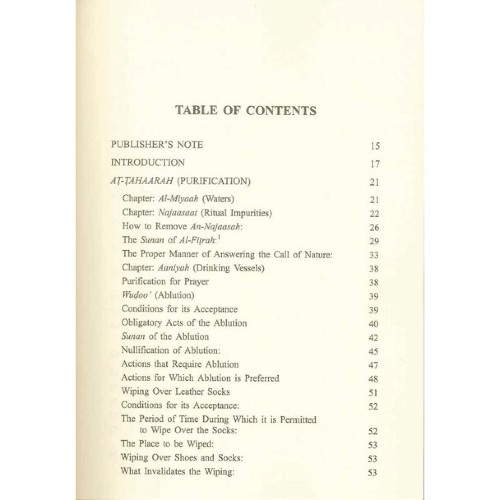
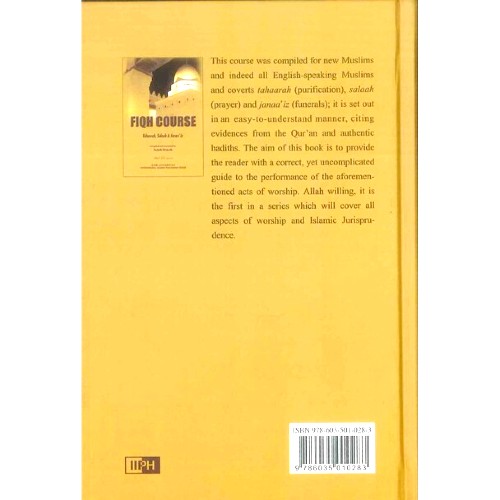
This course was compiled for English-speaking Muslims and is especially beneficial for new Muslims. It covers tahârah (purification), salâh (prayer) and janâ‘iz (funerals). It is set out in an easy-to-understand manner, citing evidence from the Qur’an and authentic hadiths. The aim of this book is to provide the reader with a correct, yet uncomplicated guide to the performance of the aforementioned acts of worship. Allah willing, it is the first in a series which will cover all aspects of worship and Islamic jurisprudence.
Frequently Bought Together

Weakness of Faith (IIPH)
5 ★
5 ★
1 Rating
5 ★
1
4 ★
0
3 ★
0
2 ★
0
1 ★
0
1 Item
$10.45
2 Add-Ons
$13.86
Total
$24.32
Additional information
Reviews (0)
Be the first to review “Fiqh Course: Tahaarah, Salaah & Janaa’iz” Cancel reply
You must be logged in to post a review.
You may also like…
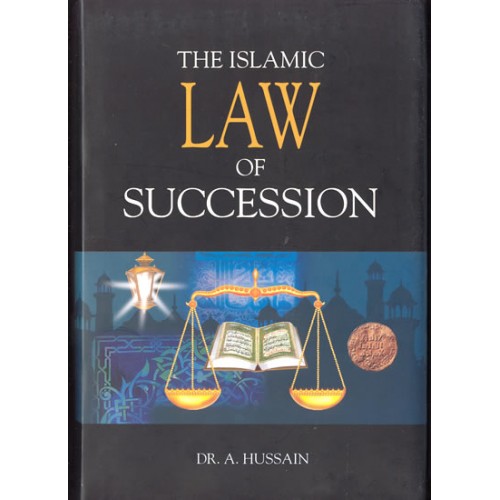

The Islamic Law of Succession (H/B)
Highlights:
Islam has given guidance to us in all aspects of life including the law of succession so that each eligible person gets the due share.
Although the distribution of inheritance is an important topic for everyone of us but books on this subject are scarcely found.
We are presenting this book to provide the readers a comprehensive overview of the whole subject according to the four main schools of jurisprudence. The text is in clear and unambiguous terms with highlighted points to understand the issues easily.
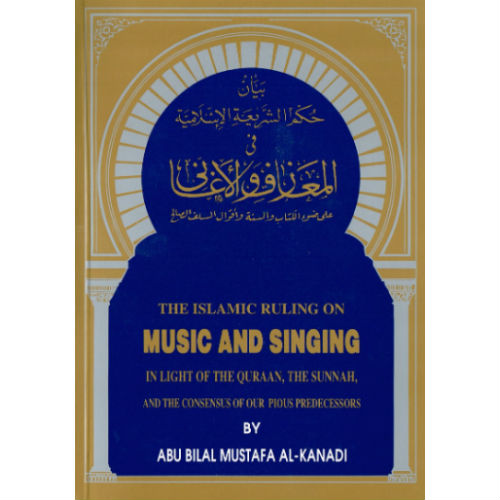
The Islamic Ruling on Music and Singing (P/B)
Highlights:
The legality of music and singing in the Islamic shari’ah (the divinely-revealed law) is an issue which is hotly debated among individuals and scholars in Islamic societies of our present day. Arriving at the correct view requires unbiased, scholarly research of the available literature which must be supported by authentic, decisive proof.




The Salah – The Prophet’s Prayer Described (H/B)
5 ★
5 ★
1 Rating
5 ★
1
4 ★
0
3 ★
0
2 ★
0
1 ★
0
Highlights:
It is not possible to us to perform the Salah (Prayer) as it should be performed unless we know the detailed description of the Prayer shown by Prophet Muhammad sallallahu ‘alayhi wasallam, such as essentials, manners, forms, supplications and remembrances. However, detailed familiarity with these aspects of the Prayer is difficult to be achieved by most people nowadays because of their limiting themselves to a particular madhhab (school of thought). In every mudhhab, there are traditions and sunnahs (Prophetic examples) which are not found in other madhhabs, and in every mudhhab there are sayings and actions which cannot be authentically traced back to the Prophet.
Many any books have been published on the Prayer of the Prophet but most are by later scholars that cater for a particular muddhab. This famous work, translated from the original Arabic Sifah Salah al-Nabi, brings together as many features of the Prophet’s Prayer from the takbir to the taslim, so that Muslims can fullfil the Prophet’s command to “pray as you see me pray”. This work is the result of an intensive research by the author on various traditions (Hadiths) and their relevance, judjed according to the strict rules of the science of Hadith.


Common Mistakes Regarding Prayer – IIPH
Highlights:
Formal prayer (salat) is the second pillar of Islam, and the most important of a Muslim’s acts of worship. Prophet Muhammad (PBUH) said: “The first of one’s actions for which a slave of Allah will be held accountable on the Day of Judgment will be one’s prayers. If they are correct and accounted for, then he (or she) will have succeeded (gained paradise); and if they are lacking, then he (or she) will have failed (lost paradise). If there is something defective in his (or her) obligatory prayers, the Lord will say: ‘See if my slave has any supererogatory prayers with which that which was defective in his (or her) obligatory prayers may be completed. Then the rest of his (or her) deeds will be judged in like manner.” (At-Tirmidhi and others) Shaykh Mashhur Hasan Salman has compiled a list of the most common errors that we make when we pray, discussing and explaining each one. This book is a valuable aid to Muslims hoping to perfect their prayers, so that their prayers may be free of defects and acceptable to Allah. This new and revised edition of the English translation of his work presents the text in a fluent, highly readable style.

Related Products

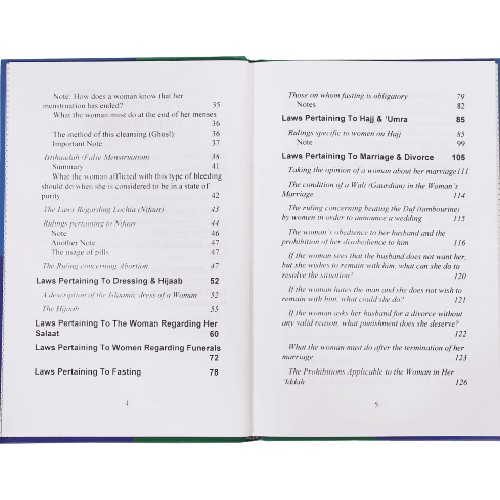
Islamic Fatawa Regarding Women (H/B)
Highlights:
Women face a lot of special problems regarding their menses, postpartum bleeding, istihada, hijab, mixing with men, rights & duties with respect to their husband, husband’s household, children, inheritance, marriage, divorce, etc
More than 350 of such problems & issues have been answered in this book by Grand Mufti of Saudi Arabia Sheikh Ibn Baz, and the eminent scholars like Sheikh Ibn Uthaimin, Sheikh Ibn Jibreen and others.
.

A Guide to Male-Female Interaction
Highlights:
Are Muslim men allowed to interact with female students, and vice versa, in a virtual classroom? Can a Muslim woman pursue a professional career that necessitates her interaction with men? Is it appropriate for a woman to serve her husband’s guests? Do mixed wedding ceremonies comply with the Sharia? Read this bilingual book to find the answers and more!


Having Fun The Halal Way Entertainment In Islam
5 ★
5 ★
1 Rating
5 ★
1
4 ★
0
3 ★
0
2 ★
0
1 ★
0
Highlights:
With the advent of technology, the entertainment industry has flourished and become immensely popular. Combine this with the exponential advances in technology, and the result is an increasing number of ways to amuse ourselves. As a result of such advances, Muslim react in a variety of manners towards entertainment. Some label entertainment as completely forbidden. This sometimes includes parents who say no to almost everything that their young ones deem to be ‘fun’, without providing them with suitable alternatives. Others, who do not want to take this extreme approach, fall into the trap of excessive use of – and even addiction to – various sources of entertainment, without any limits.
In Having Fun the Halal Way, Ismail Kamdar explores the teachings of Islam regarding entertainment. Drawing upon the Quran, the Sunnah and the understanding of the righteous scholars of Islam, he provides a detailed and balanced analysis of the topic. He not only explains the detriments of the current entertainment industry, but also suggests alternative means to have a good time with friends and family members.

The Pillars of Islam Made Easy I- Shahadah (Testimony of Faith) & Its Essential Conditions (H/B)
Highlights:
For a Muslim, the testimony of faith is the affirmation that there is no god other than Allah and that Prophet Muhammad (saw) is His servant and messenger. This testimony is second nature to most Muslims; yet it is disappointing to note that many of them are not aware of the seven conditions attached to it.

The Right to Education, Work and Welfare in Islam (P/B)
Highlights:
In The Right to Education, Work and Welfare in Islam Professor M.H. Kamali develops an Islamic perspective on three connected and complementary areas of rights and liberties. He urges that education is often a necessary ingredient of professional work even more so now than in earlier times when the range and variety of specialised knowledge were relatively limited. A person who acquires education, whether generally or at advanced levels of specialisation, is more likely to stand in a better position to enter the workforce and thus to contribute to the welfare of the community.
The author commences his discussions on education, work and welfare in Islam by focusing on how each is treated in the Qur’an; and follows this by the example of the Prophet and, after him, the Pious Caliphs who gave prominence to the education and welfare needs of people at times both of scarcity and affluence. Professor Kamali then moves forward to our time and discusses the right to education, the education of children, institutionalisation of learning, academic freedom and the debate between science and religion.
The section on work elaborates on the value of work, work ethics, workers’ and employers’ rights and responsibilities, and the role and responsibility of governments.
Finally, the section on welfare focuses on the importance in Islam of caring for those who are in need and the different forms of provision that can be made available by individuals, the state and charities.


Ibn Ashur Treatise on Maqasid al-Shariah (P/B)
Highlights:
Ibn Khaldun, the fourteenth century Arab historiographer and historian, is viewed as a founder of modern historiography, sociology and economics. He lived during a turbulent part of history, and out of his experiences, he ?conceived and created a philosophy of history that was undoubtedly the greatest work ever created by a man of intelligence…?. This work tells of the period of unrest in Ibn Khaldun?s life marked by political rivalries. It is during this turbulent period which provided him with the opportunity to write the Muqaddimah (or Prolegomena), earning him an immortal place among historians, sociologists and philosophe


The Ultimate Guide to Umrah by Darussalam
Highlights:
Based on the famous book ‘Getting the Best out of Hajj’ With special chapters on Umrah in Ramadaan & Visiting Madinah After Hajj, a Muslim considers Umrah to be the most significant worship that brings the opportunity of rewards and the blessings of visiting Ka’bah and the Prophet’s Mosque along with other sacred places one wishes to visit and try to feel the atmosphere present at the time of Allah’s Messenger (peace be upon him) and the hardships he had to bear while preaching Islam. During such a visit, a newcomer has to face many difficulties because of a lack of knowledge about the rites and places. To provide complete details about everything, a pilgrim wants to know, the first time this book has been compiled with the utmost care and research so as to make it useful in every respect.


Hajj & Umrah (Pocket Guide) – English Version
5 ★
5 ★
2 Ratings
5 ★
2
4 ★
0
3 ★
0
2 ★
0
1 ★
0
Highlights:
A useful pocket guide that includes the rites of Umrah,Hajj, and visiting Madinah.


Al-Jumu’ah: The Day of Congregation
Highlights:
In our busy lives, Friday comes around once a week. It often comes and goes without our being really aware of it. For many Muslim men, it may be punctuated by the congregational prayer that they make special efforts to attend. For many Muslim women, it may go by just like any other day. This ought not to be the case. In this unique book, Dr. Gowher Yusuf gives us reason to stop and think about how special Friday (al-Jumu‘ah) really is, and what we should be doing to achieve the many bounteous blessings it holds for those who observe it. Drawing constantly from the Qur`an and the Sunnah and the great works of the scholars of Islam, Dr. Gowher Yusuf explores this topic in depth and presents it to the reader in simple language for them to understand and ponder over. This book travels through the various issues pertaining to the Friday prayer and its Khutbah, or sermon. These issues are explained within the Islamic framework, thus abolishing any myths and misunderstandings and clarifying the topic for the reader. Dr. Yusuf writes: The day of the week known as al-Jumu‘ah, or simply Jumu‘ah, is Friday, and it is special. Compared to the other days of the week, Friday has been accorded the largest amount of merit, so much so that the father of all humankind, Prophet Âdam (peace be upon him), was created on this day and a particular prayer was ordered for this day. It was from the guidance given to Prophet Muhammad (blessings and peace of Allah be upon him) to magnify this day, honour it, and designate it for acts of worship. …On a Friday, we all will be gathered and will stand congregated in front of Allah, the Exalted, on the Day of Resurrection, also called the Day of Accountability or the Day of Judgement.


Funeral Rites In Islam (H/B)
Highlights:
The purpose of this book is to provide English speaking Muslims a concise and authentic compilation of the instructions regarding funeral rites in Islam.

The Pillars of Islam Made Easy – II Salah & Its Essential Conditions (H/B)
Highlights:
Salah is one of the five pillars on which the edifice of Islam rests. Most of us feel that we already know all there is about salah – the formal prayers of a Muslim. However, very few individuals actually do justice to it or derive any worldly or spiritual benefits from it.
Salah & Its Essential Conditions is an effort to detail the essential prerequiires of salah. Moreever, it takes a detailed look at its importance along with the different types of obligatory and voluntary prayers. It alsa presents an illustrated guide to help those who wish to learn or correct the performance of their prayers.
Inshallah, all those who wish to improve their salah will find plenty of help in this book whether they are looking for information on cleanliness and purify, locating the direction of qibla, improving their congregation during salah, making up for the missed salah, or joining acongregation when the imam has already sarted the salah, or joining a congregation when the imam has already started the salah. All in all, it is a relevant handbook on what the Prophet (saw) has described as the coolness of his eyes.


Funerals Regulations and Exhortations (H/B)
Highlights:
Our soul inevitably follows a route starting from birth, passing through death, and ending with our resurrection in the next life. The inevitable journey discusses over a sequence of titles: sickness, inheritance, funerals, Life in Barzakh and so on…
Recently Viewed
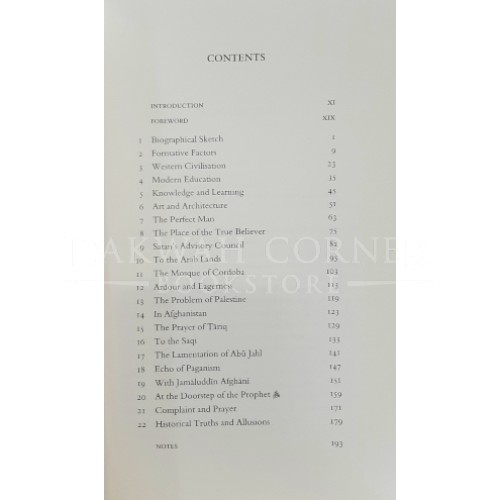
The Glory Of Iqbal
Highlights:
Even as I depart from this world, Everyone will say, “I knew him,” But the truth is, alas! That none knew, Who the stranger was, or what he said, or whence he came!
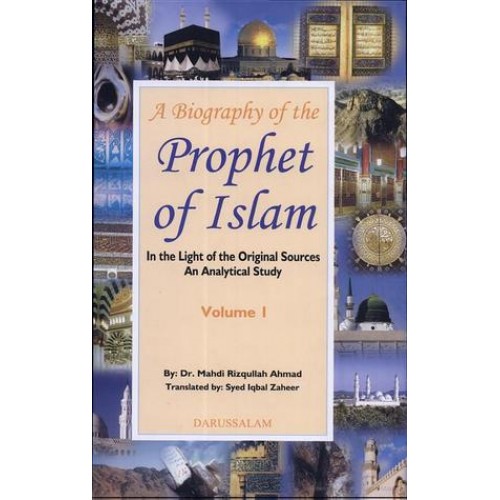
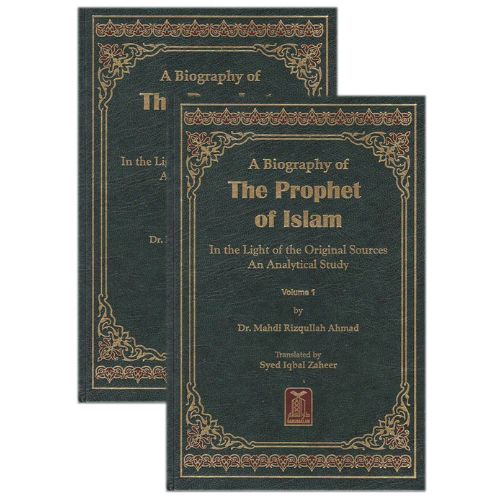
A Biography of the Prophet of Islam : In the Light of the Original Sources An Analytical Study (2 Volumes)
Highlights:
This work on the life history of the Prophet (Sallalahu Ale Wasalam) stands out from other works in quite a few ways. First, every detail mentioned has been traced back to original sources, whose authenticity has been discussed extensively in the footnotes. Second, the events of the Prophet’s life have been related to modern times and lessons drawn for the benefit of those who happen to face similar situations in their struggle to spread the Prophetic message.
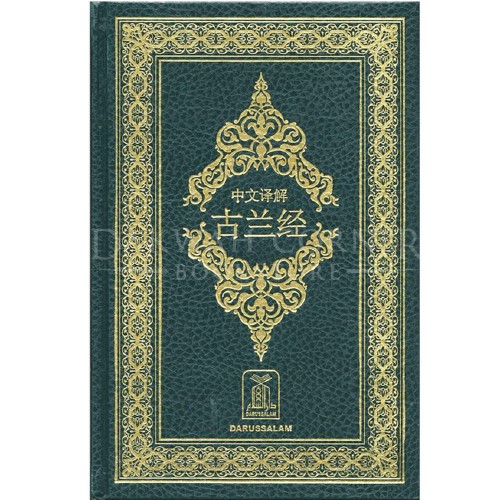
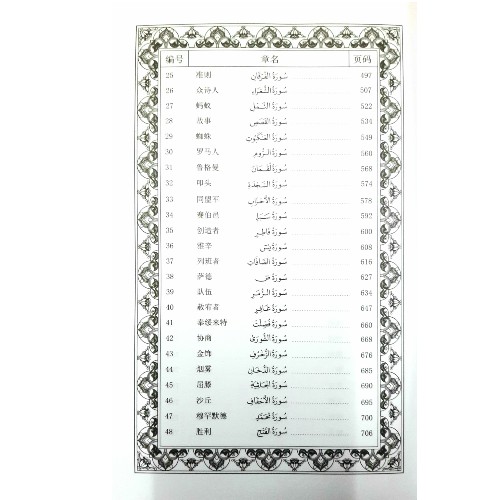
Qur’an Chinese Translation
Highlights:
Quran in Chinese Language (Arabic To Chinese Translation)
The Noble Quran in Chinese Language (Arabic Text with Chinese Translation and little Commentary)
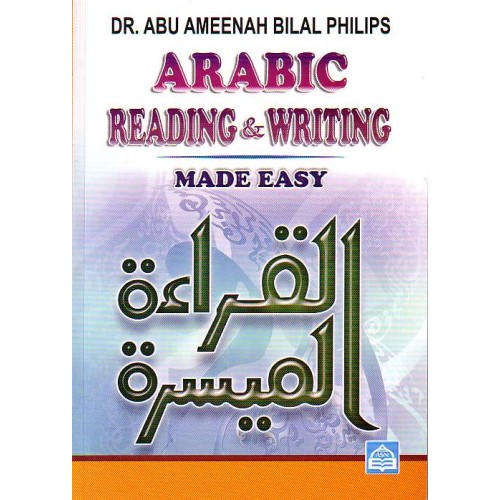
Arabic Reading & Writing Made Easy
Highlights:
The learner does not need to have memorized all the 28 Arabic alphabets and the 112 variations before learning to read and write.
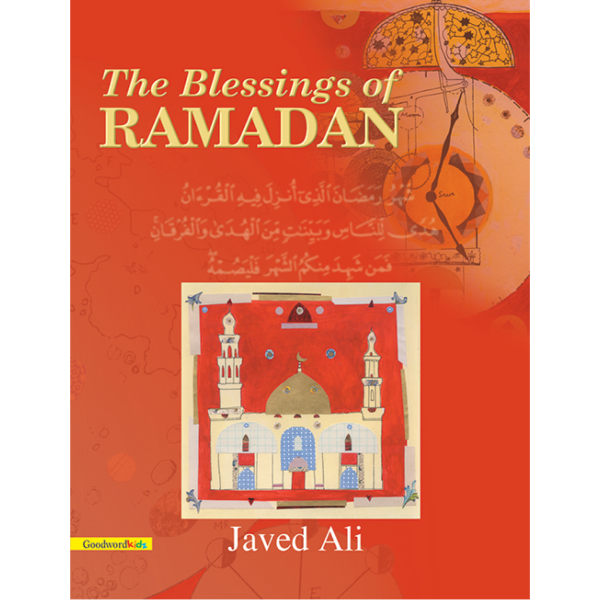
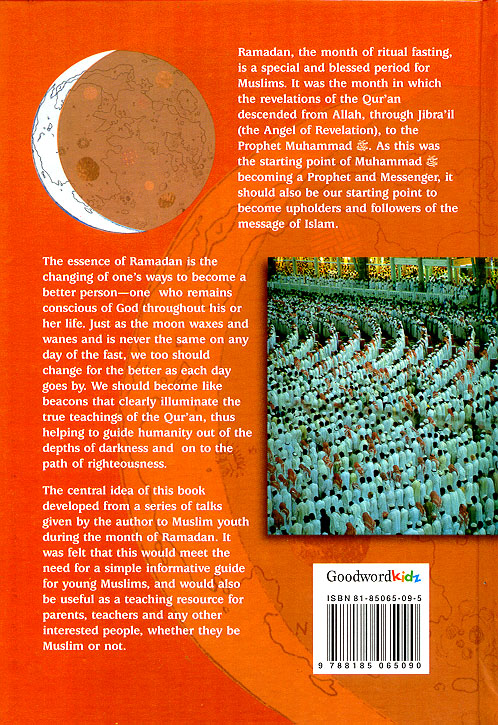
The Blessings of Ramadan
Highlights:
Eid-ul-Fitr is always an occasion for great fun and celebration. After a month-long Ramadan, everybody looks forward to a great Eid. Eid-ul-Fitr also calls for thanking Allah for His blessings, helping the poor and the needy around us and sharing our love and happiness with each other.

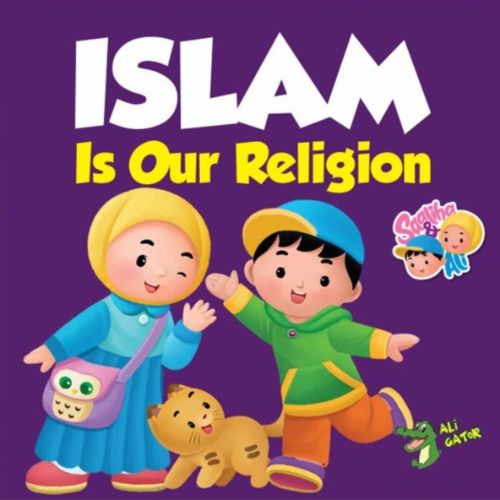
Saaliha & Ali: Islam is Our Religion
Highlights:
Introduce your child to the foundations of Islamic faith with this engaging introductory book.
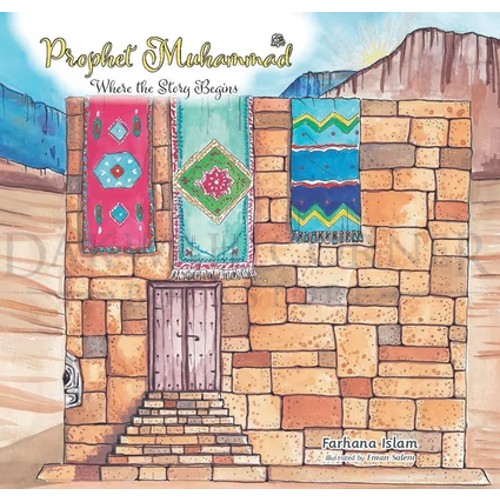
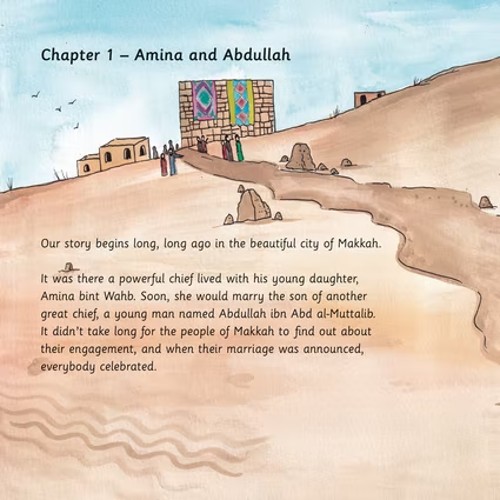
Prophet Muhammad SAW Where The Story Begins
Highlights:
Meet a handful of the men and women that helped shape the early life of Prophet Muhammad. In these pages, you will find his mother, Amina bint Wahb; the women that loved and protected him like their very own, Halimah Sa’diyyah and Barakah (Umm Ayman); and his beloved grandfather Abd al-Muttalib, alongside his uncle Abu Talib. This beautifully illustrated book introduces readers to Prophet Muhammad’s childhood and to those who helped raise the man that would, by the Will of Allah, lead an entire ummah and be an example for all time.
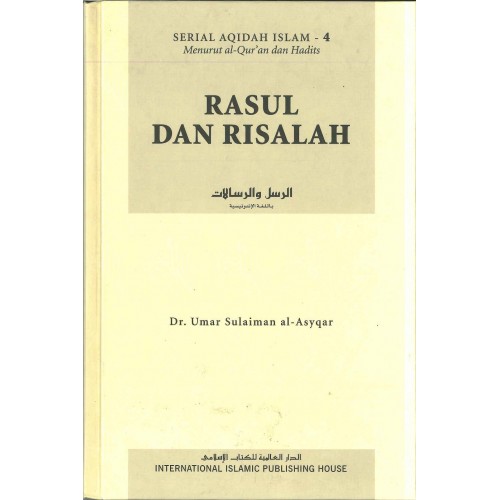
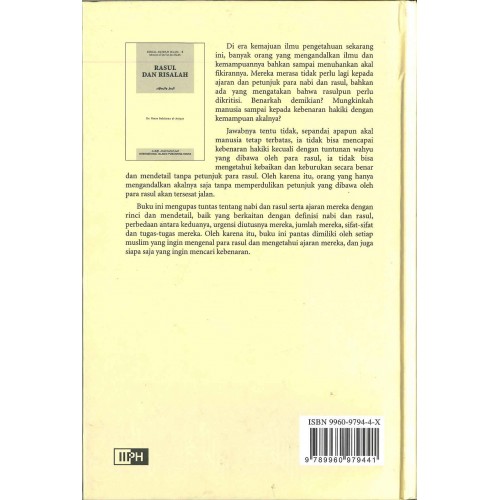
Rasul dan Risalah ; Serial Aqidah Islam – 4
Highlights:
Rasul Dan Risalah: menurut al-Qurán dan hadits – Serial Aqidah Islam 4/ Dr. Umar Sulaiman al-Asyqar. Di era kemajuan ilmu pengetahuan sekarang ini, banyak orang yang mengandalkan ilmu dan kemampuannya bahkan sampai menuhankan akal fikirannya. Mereka merasa tidak perlu lagi kepada ajaran dan petunjuk para nabi dan rasul, bahkan ada yang mengatakan bahawa rasul pun perlu dikritisi. Benarkah demikian? Mungkinkah manusia sampai kepada kebenaran hakiki dengan kemampuan akalnya. Jawabnya tentu tidak, sepandai apapun akal manusia tetap terbatas, ia tidak bisa mencapai kebenaran hakik kecuali dengan tuntunan wahyu yang dibawa oleh para rasul, ia tidak bisa mengetahui kebaikan dan keburukan secara benar dan mendetail tanpa petunjuk para rasul. Oleh karena itu, orang yang hanya mengandalkan akalnya saja tanpa memperdulikan petunjuk yang dibawa oleh para rasul akan tersesat jalan. Buku ini mengupas tuntas tentang nabi dan rasul serta ajaran mereka dengan rinci dan mendetail, baik yang berkaitan dengan definisi nabi dan rasul, perbedaan antara keduanya, urgensi diutusnya mereka, jumlah mereka, sifat-sifat dan tugas-tugas mereka. Oleh karena itu, buku ini pantas dimilikioleh setiap muslim yang ingin mengenal para rasul dan mengetahui ajaran mereka, dan juga siapa saja yang ingin mencari kebenaran.
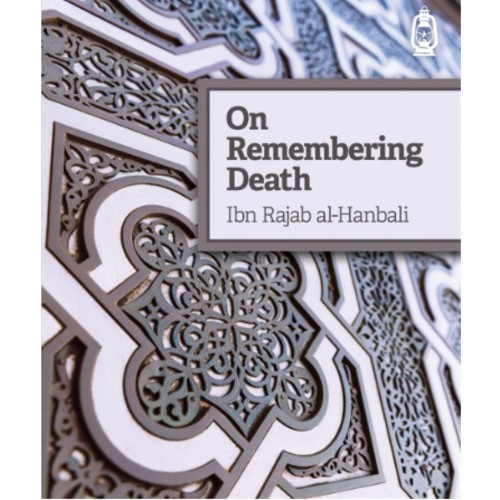
On Remembering Death by Ibn Rajab Al-Hanbali
Highlights:
“Abdullah Ali’s faithful transaltion of a section concerning the meditation of death from Ibn Rajab’s famous work on yearly devotions is much needed in our culture of forgetfulness.
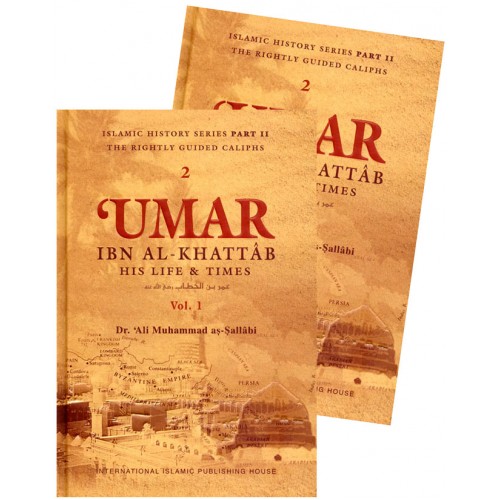
Umar ibn al-Khattâb: His Life and Times (2 Vols.) -IIPH
5 ★
5 ★
1 Rating
5 ★
1
4 ★
0
3 ★
0
2 ★
0
1 ★
0
Highlights:
The second caliph of Islam, ‘Umar ibn al-Khattâb faced more struggles than any other Muslim leader in the early onset of Islam. His life began in a time of ignorance and ended during the Golden Age of Islam. Under his leadership, the Muslim world was witnessing some of its most notable conquests in the history of Islam. The strength and resilience of Islam’s leaders were being tested, and ‘Umar ibn al-Khattâb’s true commitment to Allah shone to reveal an Islamic spirit unlike that found in any other Muslim leader. The standards by which he lived can teach us a lot about determination, hardship, and success. The two books which compose ‘Umar ibn al-Khattâb: His Life and Times are sold together as a set. They belong in Part II of the Islamic History Series, as the second set of The Rightly Guided Caliphs. The Table of Contents for Volume 1 of ‘Umar ibn al-Khattâb: His Life and Times may be viewed via the ‘View Table of Contents’ link located above. This book was translated into English by Nasiruddin al-Khattab. From the Translator: For those who would be leaders, this book offers the model of an ideal Muslim leader, one who felt responsible before Allah for the well being of all those under his rule, including his troops, women, infants, non-Muslim subjects and even animals. ‘Umar was a ‘hands on’ leader who kept himself informed and consulted scholars and experts before every major decision. For the rest of us, this book offers a window into an exciting and important period of Islamic history, and it also reminds of an important lesson, that our strength comes not from wealth or money or status, but from our submission to Allah and our commitment to the path of Islam.
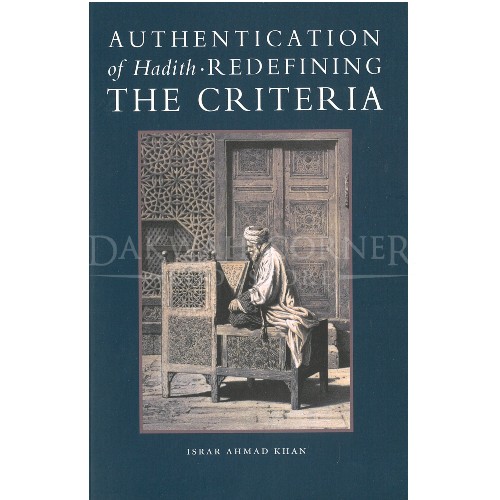
Authentication of Hadith: Redefining the Criteria (IIIT)
3 ★
3 ★
1 Rating
5 ★
0
4 ★
0
3 ★
1
2 ★
0
1 ★
0
Highlights:
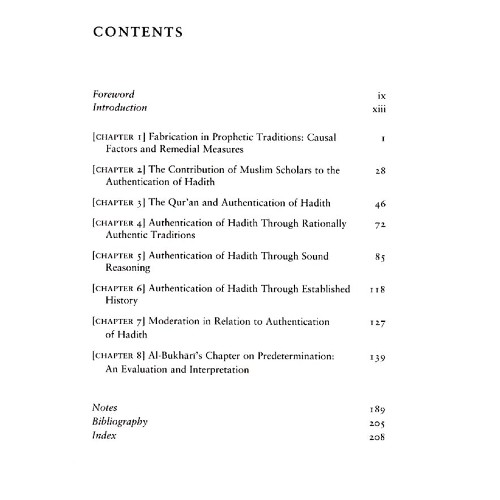
In today’s complex and volatile world the consequences of relying on fraudulent and counterfeit Hadith to legitimise extremist behaviour, issue violent fatwas, and justify blatant abuse, particularly of women, is not only far too easy but in fact dangerous. Israr Khan addresses the sensitive topic of Hadith authentication, focusing on the criteria adopted by classical scholars to maintain that concentration on the continuity and accuracy of the chain of narrators, rather than the textual content of Hadith, has led to particular Hadith being included which either contradict other Hadith directly, project the Prophet (SAAS) in an uncharacteristic light, or do not reflect and/or conflict with the teachings of the Qur an. The study traces in careful detail the historical development of the oral and written traditions, as well as the many targeted attempts at fabrication that took place, critiquing in methodical detail certain Hadith which have come to be widely accepted as authentic. The prominent collections we have today, were made possible by the development of the science of Hadith criticism, and Muslim scholars deserve deep appreciation for their painstaking work, as well as their invaluable contribution towards preserving the Hadith literature to the best of their ability. However, insists the author, the process is ongoing, and the closed door policy which currently surrounds Hadith authentication needs to be carefully reexamined.
There are no reviews yet.