| Weight | 0.50 kg |
|---|---|
| Dimensions | 12 × 16.5 × 1 cm |
| Year of publication | 2020 |
| Binding | Paperback |
| Publisher | Dar Al Hadharah |
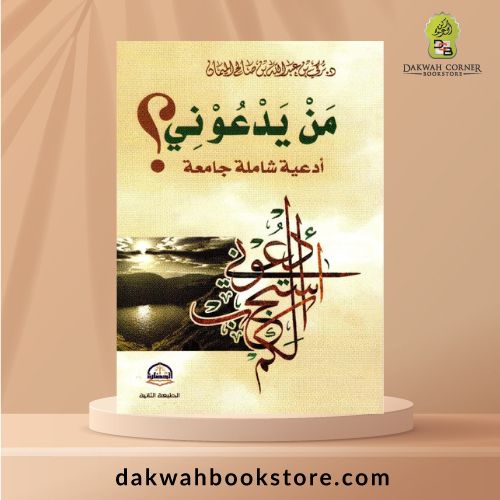
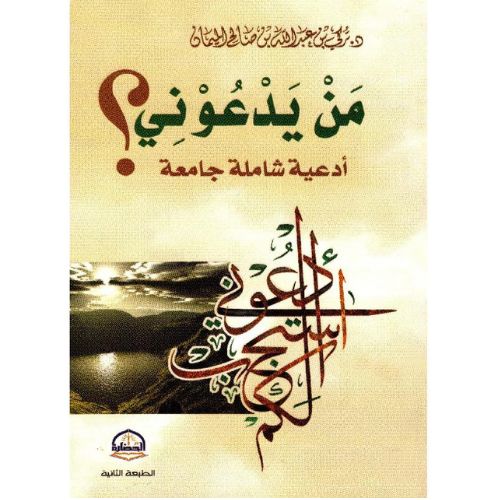
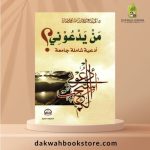
[DS] Man Yad’ooni / من يدعوني أدعية شاملة جامعة
$2.73
Be the first to review “[DS] Man Yad’ooni / من يدعوني أدعية شاملة جامعة” Cancel reply
You must be logged in to post a review.
Related Products
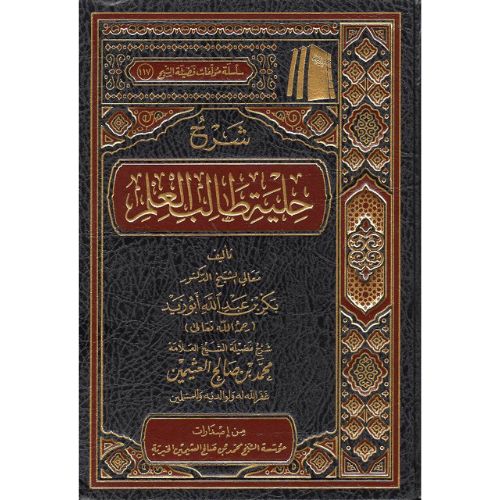
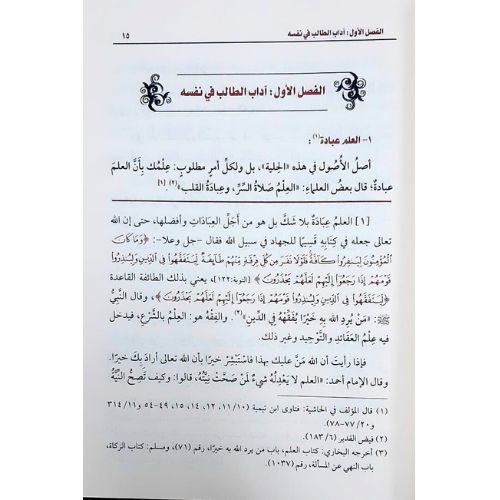
[GB] Sharh Hilayah Talib Al Ilm (شرح حلية طالب العلم)
حلية طالب العلم كتاب صغير الحجم كبير القدر عظيم النفع في آداب طالب العلم مع نفسه و كيفية الطلب و التلقي و آداب الطالب مع شيخه و آداب الطالب في حياته العلمية و محاذير ينبغي أن يحذر منها
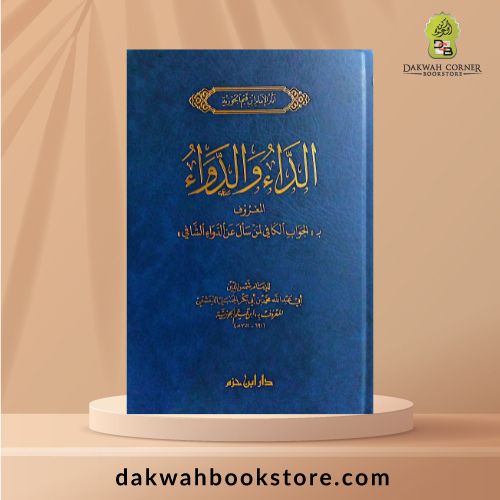
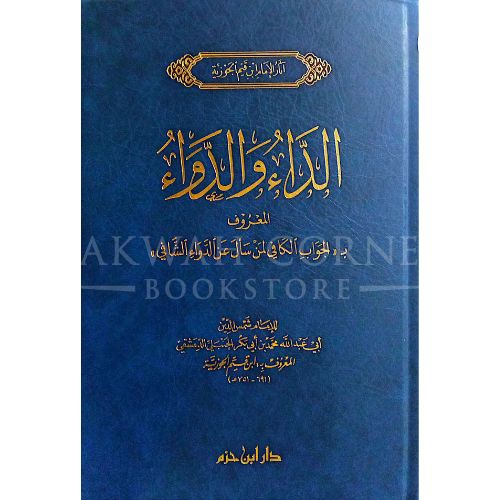
[MM] Adda Waddawa (Dar Ibn Hazm) / الداء والدواء
الداء والدواء
المعروف
بـ « الجَوابِ الكَا فِي لِمَنْ سَأَلَ عَن الدَّوَاءِ الشَّافِي
للإمام شمس الدين أبي عبد الله محمد بن أبي بكر الجنب لي الدمشقي المعروف به ابن قيم الجوزية
( ٦٩١ – ٥٧٥١ )
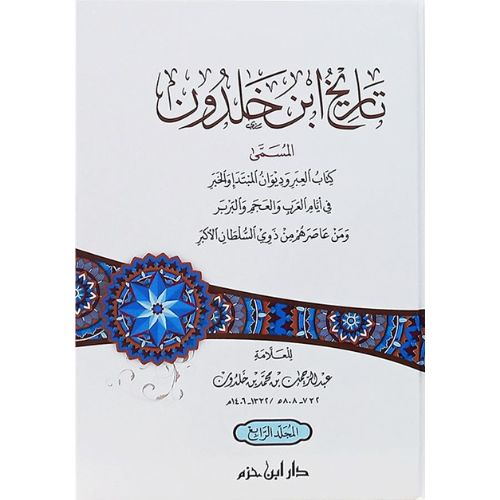
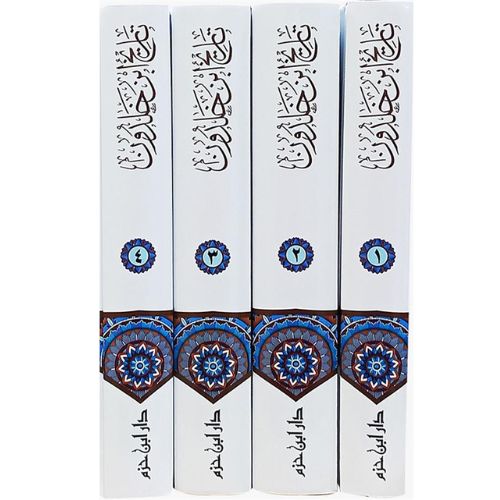
[HS] Tarikh Ibn Khaldun 4 Vol (تاريخ ابن خلدون 1 /4)
كتاب “تاريخ الطبري” تاريخ “الرسل والملوك” أو الأمم والملوك من أهم كتب المصادر في مجال التاريخ، إذ يعد أوفى عمل تاريخي بين مصنفات العرب أقامه مصنفه على منهج مرسوم، وساقه في طريق استقرائي شامل، بلغت فيه الرواية مبلغها من الثقة والأمانة، أكمل ما قام به المؤرخون قبله، كاليعقوبي والبلاذري، والواقدي، ومهد لمن جاء بعده كالمسعودي، وابن مسكويه وابن الأثير وابن خلدون ولم يقتصر على تاريخ الإسلام بل أرخ لما قبل الهجرة بل ابتدأ من القول في ابتداء الخلق ما كان أوله
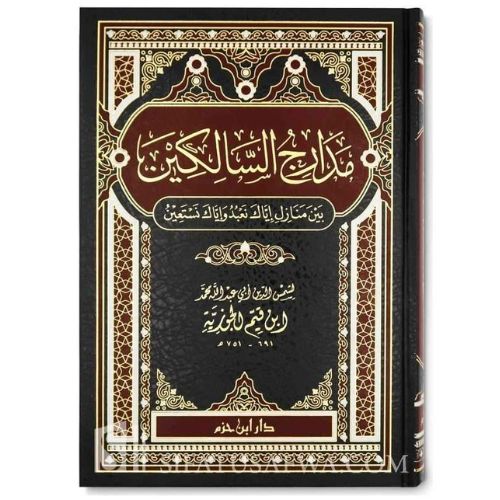
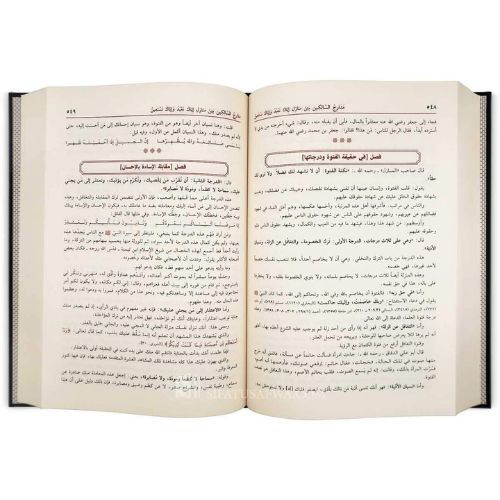
[MM] Madaarij As-Saalikeen – Al-Imaam Ibn Qayyeem Al-Jawziyyah (مدارج السالكين ـ الإمام ابن قيم الجوزية)
مدارج السالكين بين منازل اياك نعبد واياك نستعين – ابن قيم الجوزية – ط. دار ابن حزم
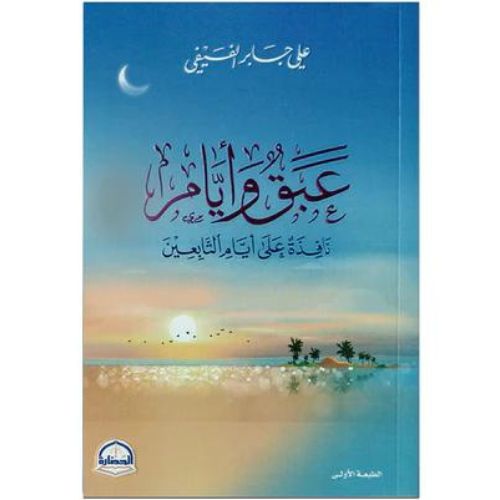
[MM] Abaq Wa Ayyam ( عبق وأيام)
أيام التابعين المضمّخة بذلك العبق الفريد، وتلك المشاعر الاستثنائية وكأنّي بشوارعهم العتيقة وفوانيسهم المعلّقة على أبواب مساجدهم الطينية، وكأني بخطواتهم المخبتة ونوافذهم المشرَعة على عهد الصحابة.. كلها تنبعث عبر كلماتهم ومواعظهم وصدقهم
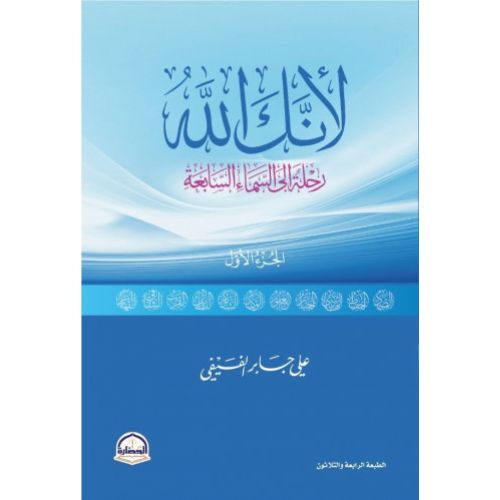
[AC] Li Annaka Allah Jilid1 (لأنك الله ج 1)
كتاب يتحدث عن بعض أسماء الله الحسنى وكيف نعيشها في حياتنا
حرص المؤلف أن يكون الكتاب مناسباً لمن هم متوسطي الثقافة، ويكون ناسباً للمحتاج و المريض و السليم
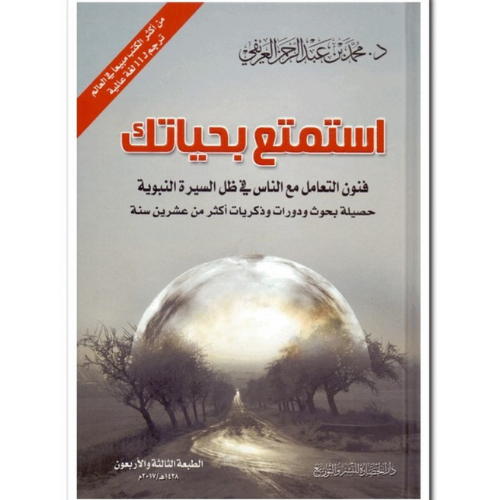
[MM] Istamti’ Bi HayatIk (استمتع بحياتك)
استمتع بحياتك،محمد ابن عبد الرحمن العريفي
استمتع بحياتك : فنون التعامل مع الناس في ظل السيرة النبوية – حصيلة بحوث و دورات و ذكريات أكثر من عشرين سنة
Recently Viewed

Ghibah (Backbiting) : The Root Cause of All Evil : The Commands and Prohibitions of the Shariah
Islam is a religion of peace, love, and compassion. Lies, suspicion, backbiting, slander, vain talk — all these are anathema to Islam. Indeed, such negative activity sows the seeds of enmity among the people and ultimately brings about the downfall of society. Backbiting (ghibah) in particular, according to the Qur’an, is not just a common social evil, but rather an abhorrent act, a major sin — the equivalent of eating one’s brother’s flesh.
Numerous ahadith of the Prophet Muhammed (pbuh) also underscore the complete futility, extreme loathsomeness and grave consequences of the deliberate misrepresentation of others. Backbiting, by the unanimous rulings of religious scholars (ijma) is forbidden, so that anyone who indulges in it is guilty of serious wrongdoing. Yet people have no qualms about engaging in this practice, flouting all prohibitions and strict commands.
Drawing upon important source material on the subjects of backbiting, false accusation (bhutan), and related issues, this book highlights the need to keep our society free of his ignoble malaise. To this end, it elucidates the relevant commands and prohibitions of the Shari’ah, so as to create in the minds of its readers a deep awareness of the sinfulness and ill effects of calumny.
By Shakil Ahmad Khan and Wasim Ahmad
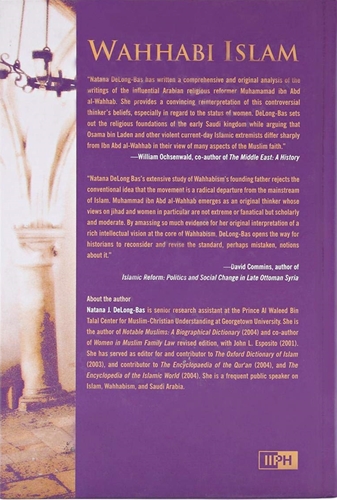
Wahhabi Islam From Revival And Reform To Global Jihad
Until September 11, 2001 few Westerners had ever heard of “Wahhabism.” Now most of us recognize the word as describing an austere and puritanical type of Islam, mentioned frequently in connection with Osama bin Laden and Saudi Arabia and often named as the inspiration behind the 9/11 terror attacks. The word “Wahhabi” stems from the name of the founder of this system of thought, Muhammad Ibn Abd al-Wahhab (1702-1791), companion and religious adviser to Muhammad Ibn Saud, founder of the House of Saud. In this book Natana DeLong-Bas offers an in-depth study of the written works of al-Wahhab. She focuses on four areas: theology, legal theory, proselytizing through education and jihad, and law on women. Through a close reading of al-Wahhab’s texts she demonstrates that many aspects of 20th- and 21st-century Wahhabi extremism do not have their origins in his writings. Examples of this extremism include the emphasis on jihad, martyrdom and militancy, and misogyny. The strict division of the world into dar al-Islam and dar al-kufr, according to which only Wahhabi adherents are considered to be true Muslims and all others are non-Muslims who must be fought, is entirely absent from al-Wahhab’s work. Instead, argues DeLong-Bas, all of these themes were only added to Wahhabi teachings in the 19th century following armed engagement with the Ottoman Empire. DeLong-Bas’s study fills an enormous gap in the literature about Wahhabism by returning to the original writings of the founder of the movement. She debunks the common journalistic portrayal of Muhammad Ibn Abd al-Wahhab as an illiterate, rural bumpkin with no scholarly formation. Her revisionist reading of al-Wahhab’s thought will be controversial but impossible to ignore. The book will be essential reading for students and scholars of Islam as well as for those interested in the background of this dangerous modern ideology.
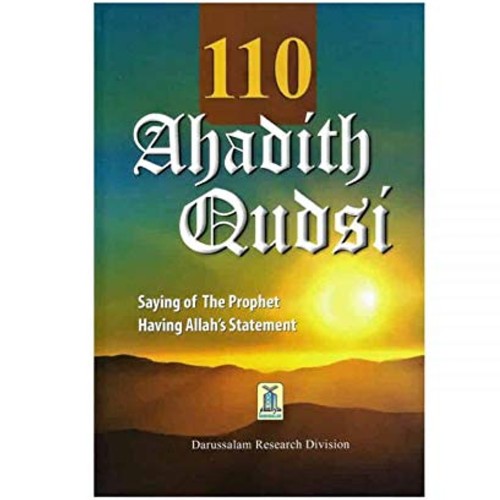
110 Ahadith Qudsi (3rd Edition)
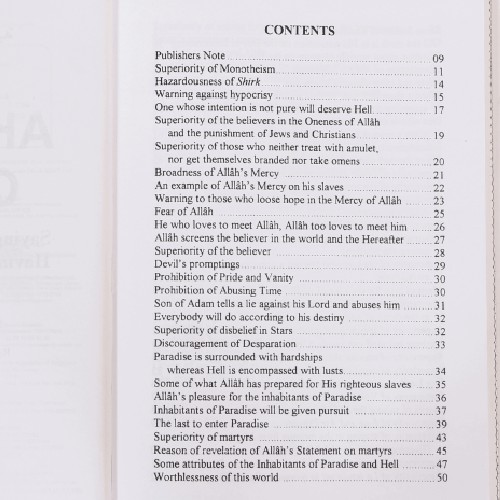
Ahadith are the sayingd, deeds and approvals of the Prophet SAW under Divine guidance and are generally traced back to the Prophet SAW as regards their authority. But some Ahadith hold a distinct place and are termed as Ahadith Qudsi (Sacres Ahadith) and the authority in these Ahadith is attributed to Allah through the Prophet SAW. It is a collection of 110 such Ahadith relating to the important aspects of daily life so that the readers may get benefited from it for the success in this life as well as in the Hereafter.
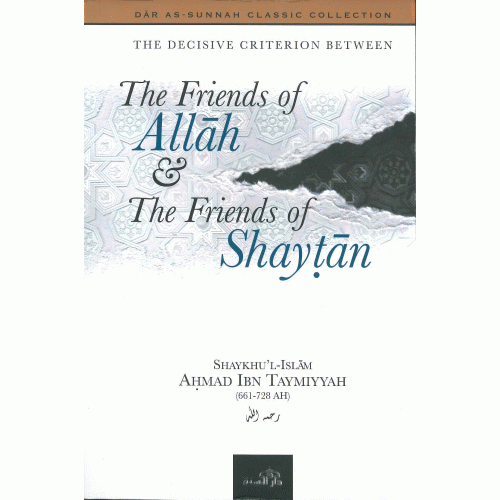
The Decisive Criterion Between The Friends of Allah & The Friends of Shaytan (P/B)
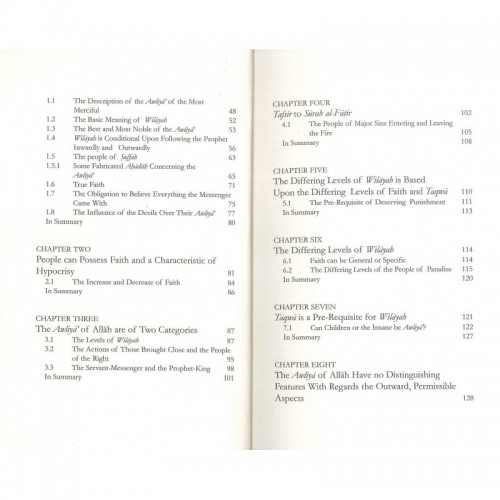
The Decisive Criterion between the Awliyaa of The Most Merciful and the Awliyaa of Shaytaan Indeed the enmity between man and Shaytaan is old, commencing from the time that Adam (alayhi as-salaam) was created � from the time he was ordered to prostrate to him. Shaytaan refused, become arrogant and hence disobeyed his Lord. His arrogance and pride let him to commit a whole host of sins, it made him expend every effort in misleading the children of Adam and made him beautify and embellish sins such that they accepted them and eagerly committed them. Books sent the Messenger and enjoined His servants to various injunctions and admonitions in order to secure them from the evil of Shaytaan.
In the light of His advice, profound injunctions and admonitions in order to secure them from the evil of Shaytaan. In the light of His advice, profound injunctions and sever warnings, mankind becomes separated into two groups: a group who were guided and a group who deserved to be misguided. The groups who were guided are the inhabitants of Paradise and the groups who were misguided are the denizens of the Fire. The inhabitants of Paradise are the Awliyaa of the Most Merciful and the denizens of the Fire are the Awliyaa of Shaytaan
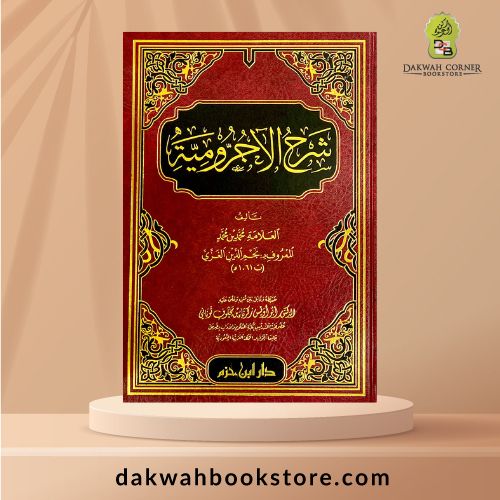
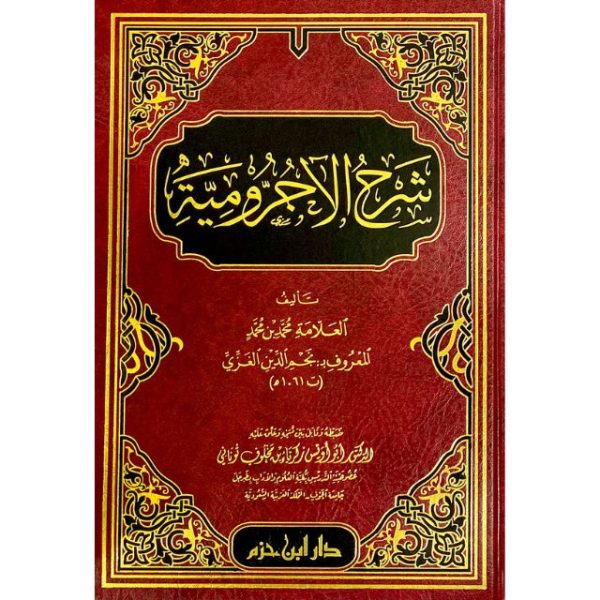
[ALA] Sharh Al Ajrumiah / شرح الآجرومية
يعتير هذا كتاب من أهم وأقدم الكتب في علم النحو حيث شاع المتن الآجرومية في أرجاء الأرض، وكثرت عليه الشروح والأنظام والحواشي والإعرابات والمتممات. ومن بين هذه الشروح هذا الشرح الوجيز الذي بين أيدينا فقد سلك فيه مؤلفه مسلك المحققين والمحررين في اخراجه والاستفادة منه وإفادة المتبحرين في اللّغة العربية..


There are no reviews yet.