| Weight | 0.700 kg |
|---|---|
| Dimensions | 24.5 × 17 × 2 cm |
| Author | |
| Pages | 320 |
| Publisher | Dar Ibn Kathir |
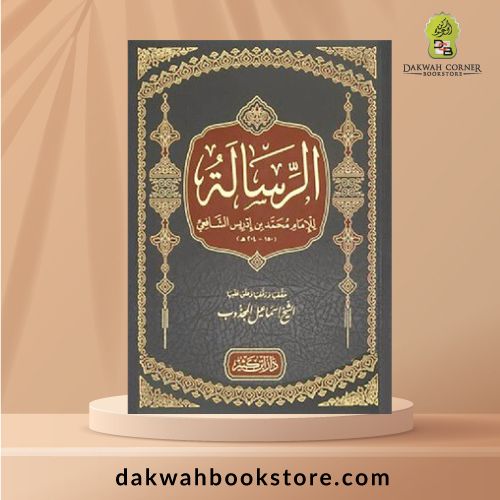
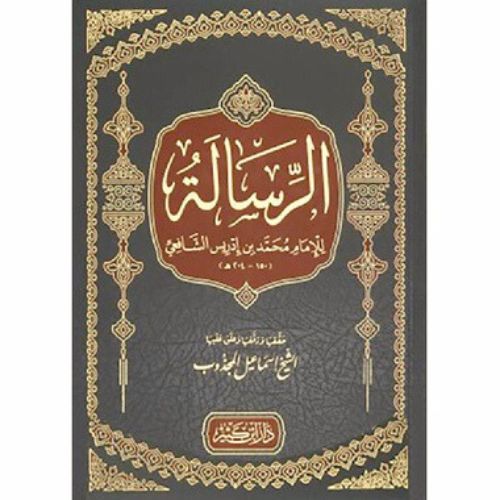
[AUF] Al Risalat Lil’iimam Al Shaafi’ii / الرسالة للإمام الشافعي
RM70.00
Frequently Bought Together
Related Products
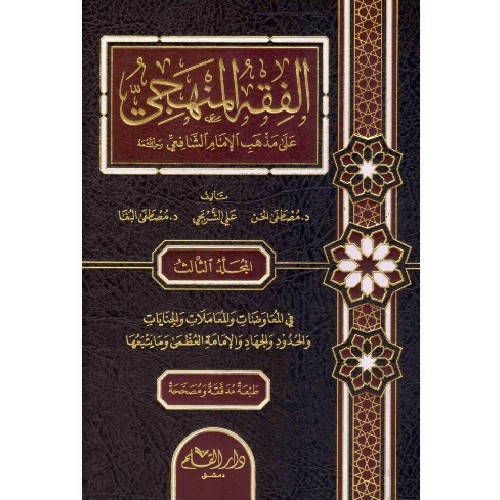
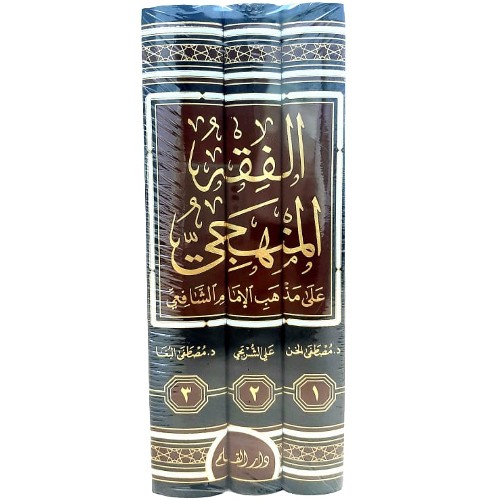
[SJ] Al-Fiqh al-manhaji al-Qalam (3 Vols) (الفقه المنهجي – القلم (طبعة فاخرة))
الفقه المنهجي 3/1 – القلم
أحد المذاهب الفقهيّة السنيّة الكبرى المنتشرة في العالم الإسلاميّ، وسمّي بهذا الاسم نسبة إلى الإمام الشافعيّ رحمه الله تعالى؛
والمنهج الشافعيّ ينزع إلى تشكيل نسق منسجم مع نفسه، من خلال عدم رفض أيّ حديث صحيح،
والتأكيد على وضوح قواعد التخريج، والبعد عن التناقض الداخليّ، ومحاولة رسم بناء
متكامل تأخذ فيه جميع النصوص مواقعها وتأثيراتها النسبيّة.
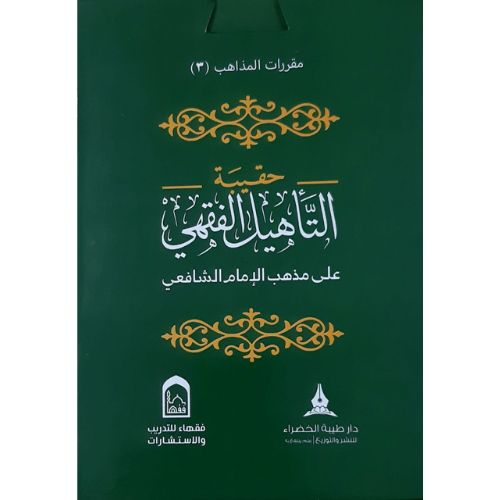
[SJ] Haqibah Al Ta’hil Al Mazhab As Syafie حقيبة التأهيل الفقهي المذهب الشافعي 1×4 ط ( 3 )
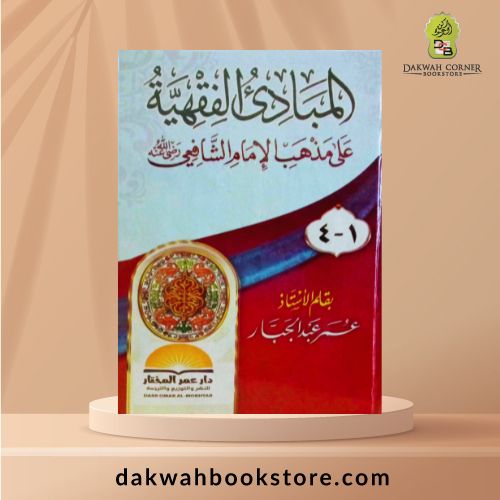
حقيبة التاهيل الفقهي على مذهب الامام الشافعي
تقريب مذهب الامام الشافعي للدارسين باسلوب جديد ومنهجية علمية محكمة.
كتاب تمارين مع كل مقرر لتثبيت المعلومة وتنمية الملكة.
عرض بوربوينت يسهل على المعلمين تقديم مضمون الحقيبة لطلابهم.
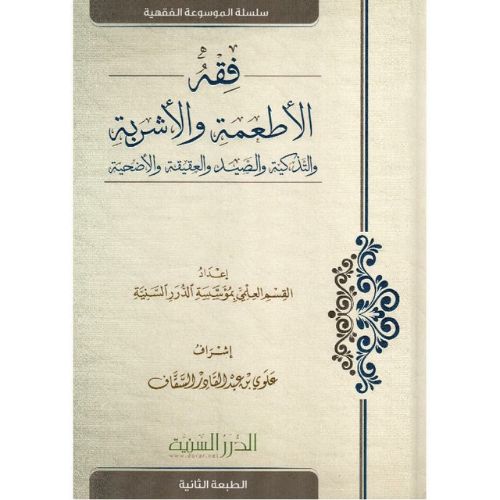
[SJ] Fiqh Al At’amah Wal Ashrabah / فقه الأطعمة والأشربة
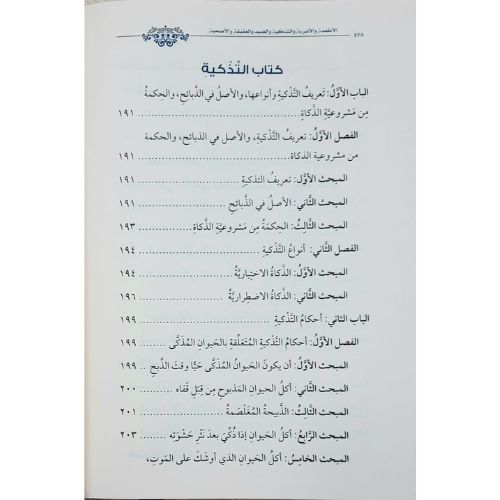
فقه الاطعمة والاشربة والتذكية والصيد و العقيقة والاضحية
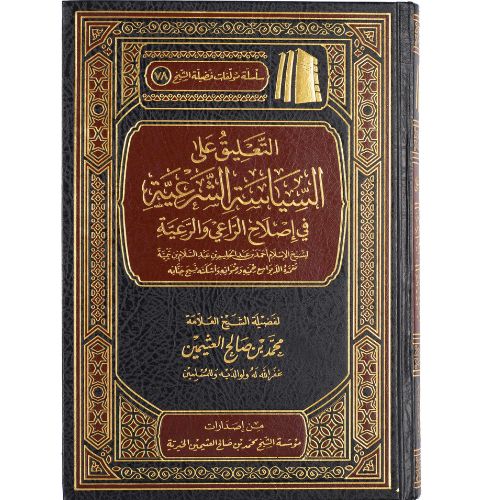
[SJ] Alt’aliq ‘Ala Alsiyasah Alshar’iah (التعليق على السياسة الشرعية)
تعليق وتفصيل ثري النّفع، وغزير الفائدة للشيخ ابن عثيمين رحمه الله على كتاب العلامة شيخ الإسلام ابن تيمية (السياسة الشرعية في أحوال الراعي والرعية)، والذي فيه منفعة للحكام في إدارة كافة شؤون الدولة في ظلّ الشرع، يتكلّم فيه عن اختيار الحاكم، وعن العدل والأمانات، وعن بعض الأحكام الشرعية وحدودها، ويخصّ حدّ الإعدام ويفصل فيه، والمعاملات وغيرها من الأمور.
Recently Viewed
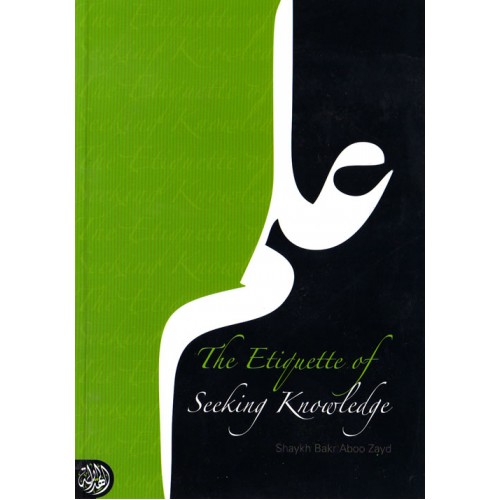
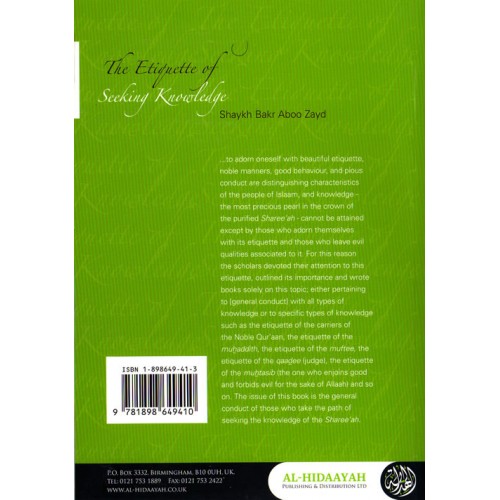
The Etiquette of Seeking Knowledge (P/B)
The Etiquette of Seeking Knowledge … to adorn oneself with beautiful etiquette, noble manners, good behaviour, and pious conduct are distinguishing characteristics of the people of Islaam, and knowledge – the most precious pearl in the crown of the purified Shareeah – cannot be attained except by those who adorn themselves with its etiquette and those who leave evil qualities associated to it. For this reason the scholars devoted their attention to this etiquette, outlined its importance and wrote books solely on this topic; either pertaining to (general conduct] with all types of knowledge or to specific types of knowledge such as the etiquette of the carriers of the Noble Quireaan, the etiquette of the muhaddith, the etiquette of the muftee, the etiquette of the qaadee (judge), the etiquette of the muhtasib (the one who enjoins good and forbids evil for the sake of Allaah) and so on. The issue of this book is the general conduct of those who take the path of seeking the knowledge of the Sharee’ah.
The New Muslim Guide (ENGLISH)
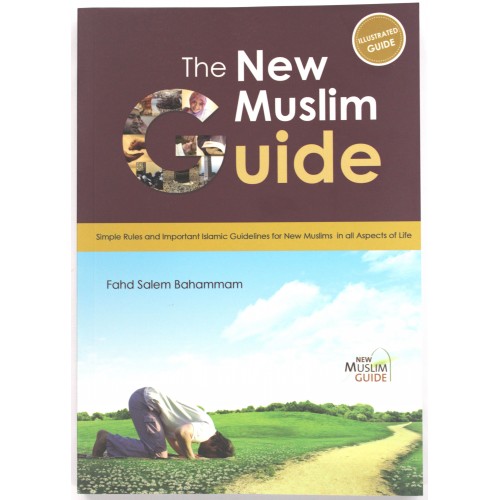
The New Muslim Guide (Illustrated Guide) Simple rule and important islamic Guidelines for New Muslims in all Aspects of Life.
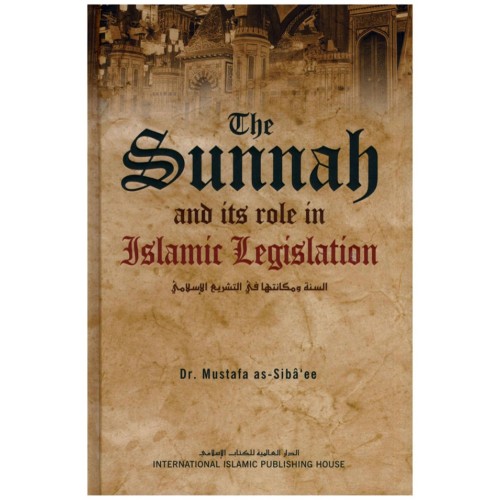
The Sunnah And Its Role In Islamic Legislation (H/B)
The Sunnah and its Role in Islamic Legislation is a groundbreaking effort by Dr. Mustafa as-Siba’ee, for it has a completeness to it in two regards: first, the author manages to cover all topics related to the Sunnah—its status, its legislative force, the stages that led to its recording, just to mention a few—in a comprehensive and organized manner. Second, he presents the views of those that have attacked the Sunnah throughout history, detailing their arguments and then refuting them. Among those groups from the past were the Shi’aa and the Mu’tazilah; today, they are mainly the Orientalists and those that are influenced by them.
Sheikh as-Siba’ee takes us through the historical development of the Sunnah, from the early stages of revelation to the recording of the Sunnah during the era of the great Imams of Hadith. Throughout that account, he highlights the contributions of the scholars in preserving the Sunnah and cleansing it from fabrications and lies. Shaykh as-Siba’ee gives a clear account of the revolutionary methods and scholarly principles that were established in order to authenticate historical reports and narrations. The author shows us that the fruits of that endeavour were the preservation of the authentic Sunnah and the birth of the Hadith sciences.
This book has been a perennial source of knowledge for Arabic-speaking students of Islam, for its clarity, readability, and insightful research. New English-speaking students too have available to them this authoritative treatise on the Sunnah of our beloved Prophet Muhammad) may the peace and blessings of ALLAH be upon him).
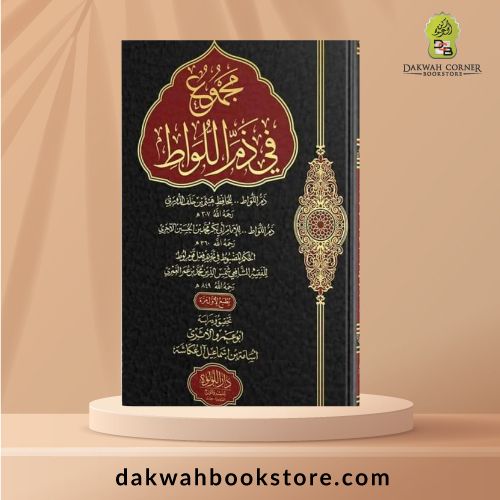
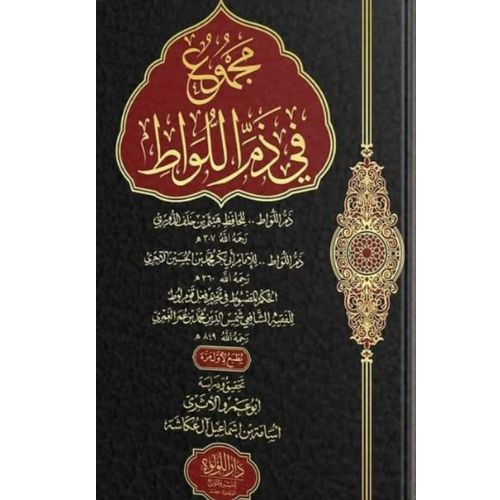
[AMM] Majmu’ fi Dham al-Liwat / مجموع في ذم اللواط
زين الشيطان لقوم نبي الله لوط عليه السلام فعل اللواط وحلاها لهم ورغبهم ووسوس لهم حتي وقعوا فيها وجعلوها في ناديهم. فقام لوط عليه السلام بالنصح والدعوة وتبين الحق حتّى أتى أمر الله فجعل عاليها سافلها وموعظة للناس أجمعين. فتم جمع ما ورد من آيات وأحاديث وأقوال الصحابة والتابعين في المسألة في مصنف مستقل.
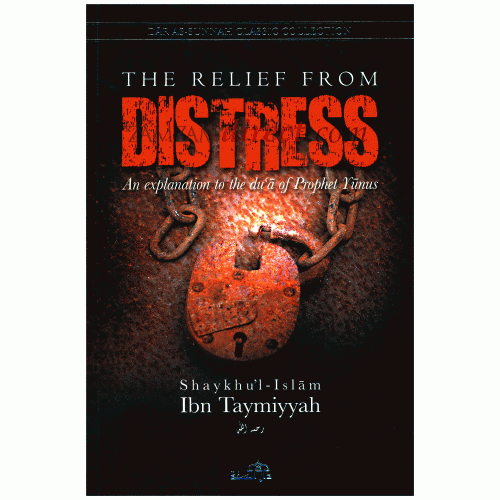
The Relief From Distress : An Explanation to the dua of Prophet Yunus (P/B)
Shaykh al-Islam Ibn Taymiyyah, may Allah sanctify his soul, was asked about the saying of the Prophet (pbuh),
The invocation of my brother Yunus, “none has the right to be worshipped save You; glory be to You, far removed are You from any imperfection; I have been amongst the wrong-doers,” none who is experiencing difficulty employs it except that Allah would relieve him of his difficulty.
What is the meaning of this du’a (prayer, supplication)?
Are their any unstated conditions that have to be met when one articulates it?
What is the connection between belief in the heart and the meaning of this supplication such that it leads to the removal of difficulty?
Why did he explicitly confess, ‘I have been amongst the wrong-doers’ when it is known that tawhid in itself leads to the removal of difficulty?
Is it sufficient to acknowledge ones’ sin alone, or must this be accompanied by repentance and the firm resolve not to repeat that sin in the future?
Why is it that difficulty and harm is removed only when a person relinquishes any hope, reliance and dependency upon the creation?
How can the heart relinquish the characteristic of putting hope in the creation and depending on them, and instead put its hope in Allah, Exalted is He, and turn to Him in its entirety?
What are the methods that would aid the heart in doing this?
The author replies to these questions in the form of this book.

Akhlaaq Comes Alive (P/B)
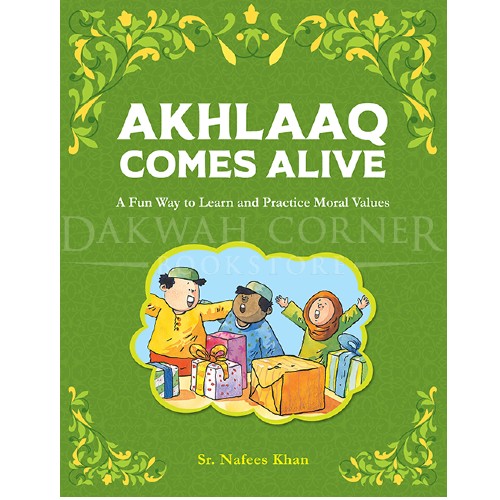
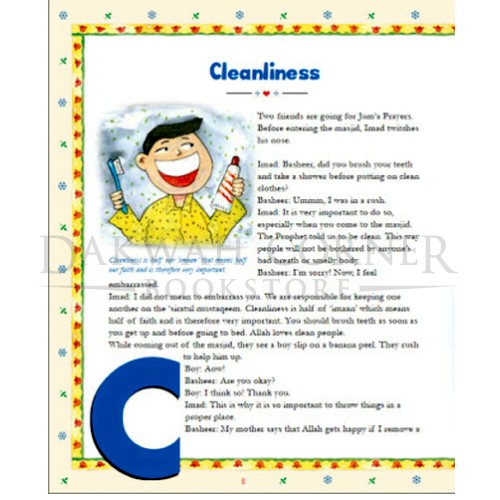
Often elders find it difficult to find a fun way to teach children akhlaaq, that is, moral values and good manners in Islam. All About Akhlaaq, being a fun book, will aid them in this. Designed for use at home and school, it covers a wide range of moral issues and the occasions in daily life when good manners are essential. Colourful and story-filled, with an easy-to-use format and short skits, it will give a better understanding of each akhlaaq by encouraging children, parents and teachers to engage in role playing. Each theme, listed alphabetically, is expressed in simple language and has attractive illustrations on every page. What better way to learn akhlaaq than by acting it out! So, be active and practice akhlaaq!
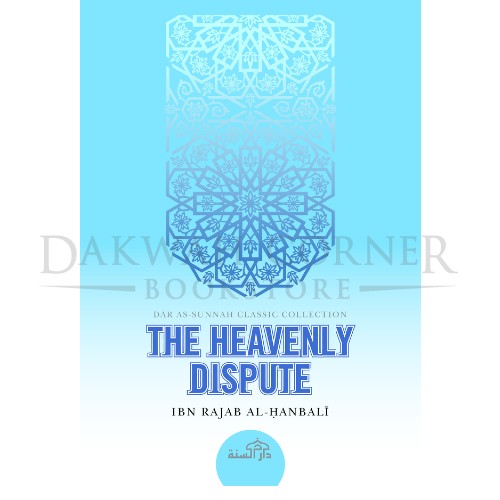
The Heavenly Dispute (Dar Us Sunnah)
The Prophet (peace and blessing be upon him) said of this hadith, “Indeed, it is the truth, so study and learn it.”
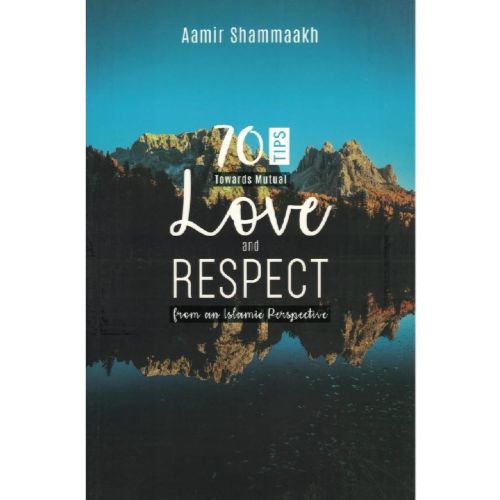
70 Tips to Win Mutual Love and Respect
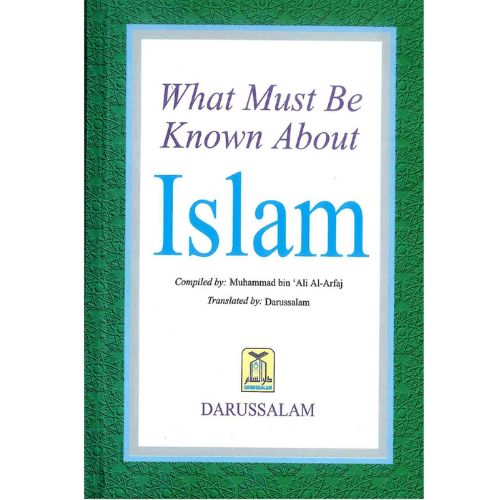
What Must be Known about Islam (Darussalam)
(ما لا بد من معرفته عن الإسلام)
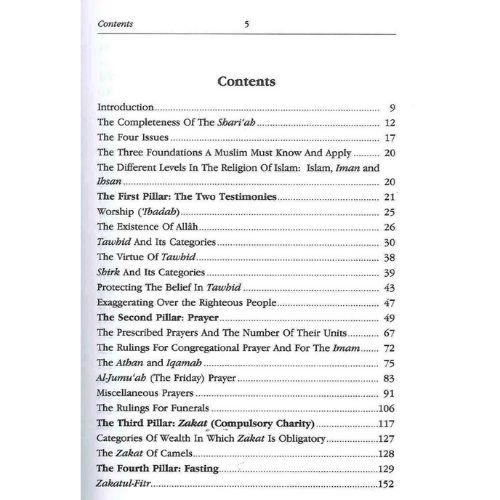
This beautiful book goes over the fundamental five pillars of Islam in detail followed by the Tafsir of certain chapters of the Noble Quran and a discussion about marriage.