| Weight | 1.80 kg |
|---|---|
| Dimensions | 17 × 5 × 24 cm |
| Author | |
| Binding | Hardcover |
| Publisher | Dar Ibn Hazm |
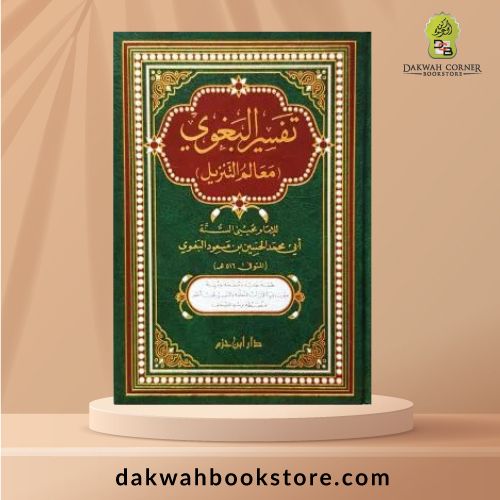
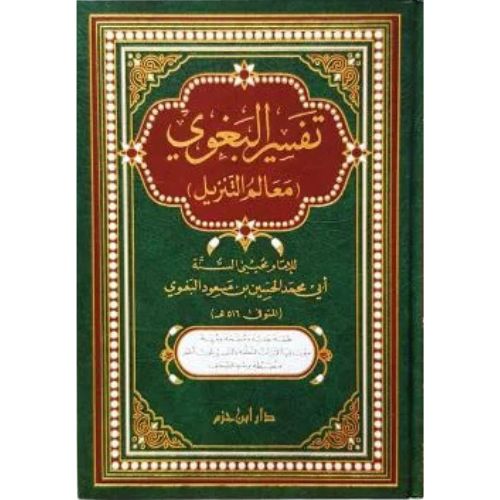
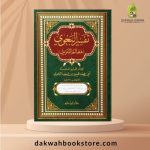
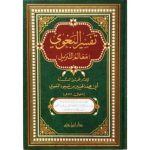
[ATQ] Tafsir Al Baghawi (Ma’alim Al Tanzil) / تفسير البغوي
RM130.00
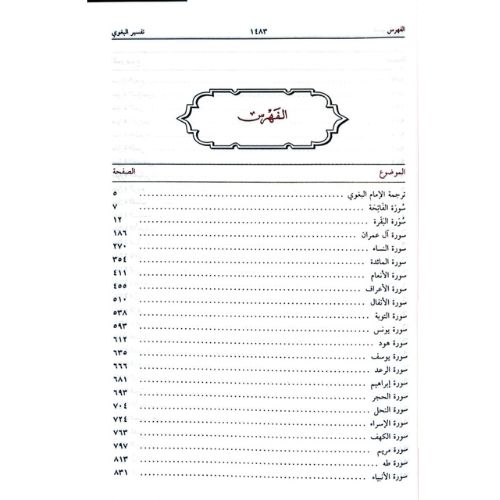
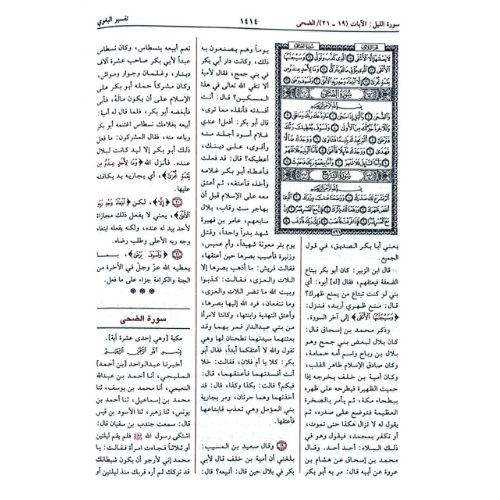
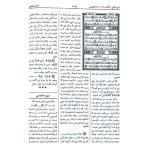
من أجلّ الكتب وأنبلها حاوٍ للصحيح من الأقول , عارٍ عن الغموض والتكلف في توضيح النص القرآني , محلى بالأحاديث النبوية والآثار الغالب عليها الصحة . فمعالم التنزيل من أشهر كتب التفسير بالمأثور وهو تفسير كامل للقرآن مع مقدمة للمؤلف يستهلها بحمد الله والصلاة والسلام على رسوله، ثم يبين مهمة إرسال الرسول وإنزال الكتاب المعجز عليه، ثم يذكر ما اشتمل عليه القرآن من الأمور عقيدة وفقهاً وقصصاً وحكماً.
معالم التنزيل : كتاب متوسط , نقل فيه مصنفه عن مفسري الصحابة والتابعين ومن بعدهم
Frequently Bought Together
You may also like…
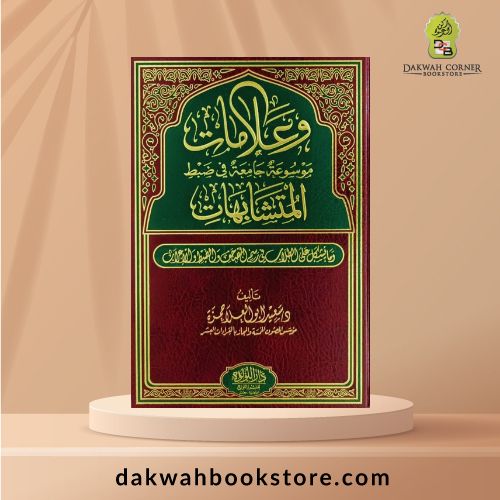
[ATQ] Alamat Mausu’ah Jami’ah fi Dabti al Mutashabihat / وعلامات موسوعة جامعة في ضبط المتشابهات
كنز من كنوز المتشابهات للدكتور الرائع سعيد أبوالعلا حمزة بعنوان: ( وعلامات ، موسوعة جامعة في ضبط المتشابهات )
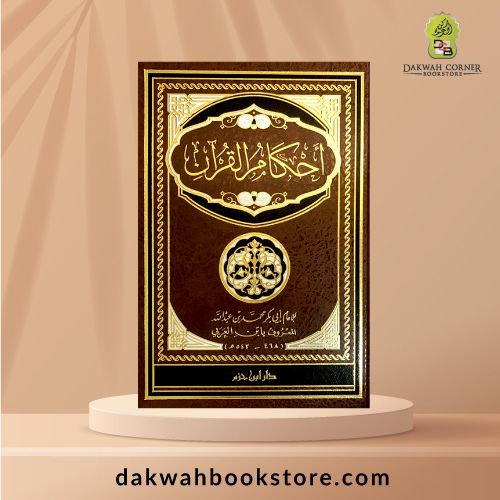
[ATQ] Ahkam Alquran / أحكام القرآن
أحكام القرآن كتاب تفسير فقهي للقرآن الكريم حسب المذهب الحنفي من تأليف أبو بكر الجصاص، استنبط مؤلفه من آيات الأحكام، مع ذكر اختلاف العلماء، ثم ينبسط في ذكر الأدلة بتوسع من الكتاب والسنة واللغة العربية والنظر.
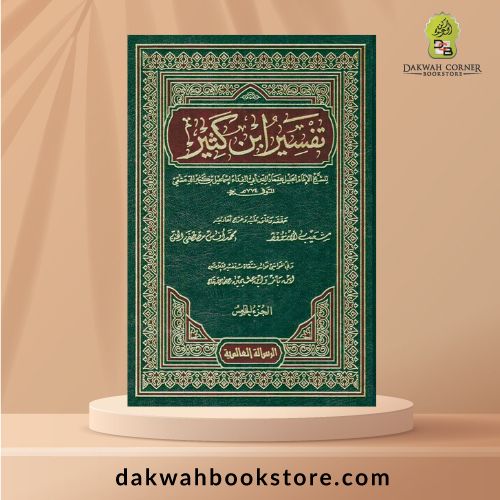
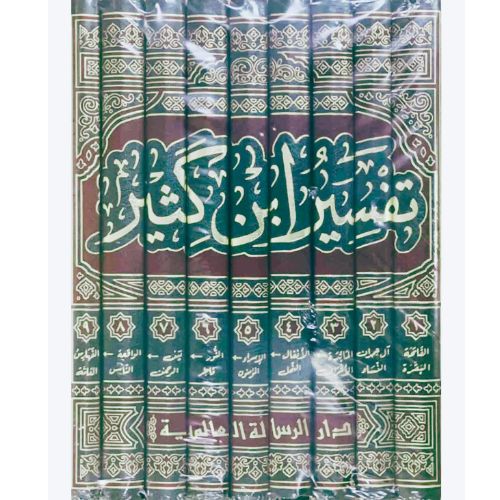
[ATQ] Tafsir Ibn Kathir 9Vol – 9/1تفسير ابن كثير
من أشهر وأفضل ما كُتب في تفسير القرآن الكريم، اهتم فيه ابن كثير باللغة، والقراءات وأوجهها وأسباب النزول، وذكر الأحاديث مع أسانيدها، وبيان صحيحها من سقيمها، مع حسن الترتيب وسهولة العبارة والبعد عن التعقيد والتكلف، وهذه طبعة جديدة أنيقة وملوّنة ضمن 9 مجلدات فاخرة الطباعة.
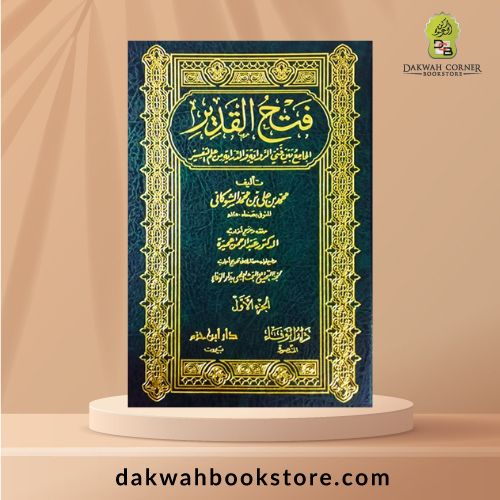
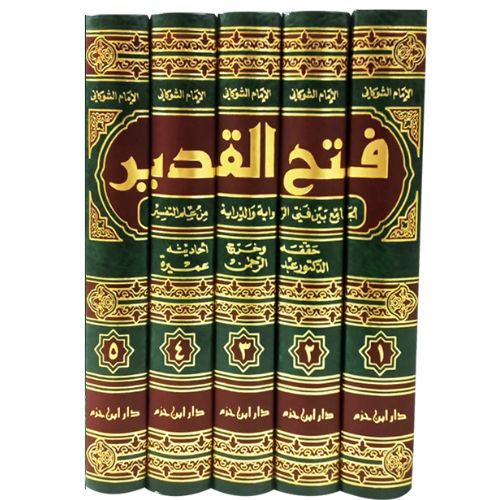
[ATQ] Fathul Qadir Al Jami’ Bayna Fani 5 Vol / فتح القدير الجامع بين فني الرواية والدراية من علم التفسير 5 مجلدات
يعتبر كتاب فتح القدير الإمام الشوكاني أصلاً من أصول التفسير، ومرجعاً من أهم مراجعه، لأنه جمع بين التفسير بالرواية والتفسير بالدراية، حيث أجاد فيه مؤلفه في باب الرواية، وتوسع في باب الدراية، فجمع بين التفسير بالرأي والتفسير بالمأثور، لذلك أطلق عليه اسم : فتح القدير الجامع بين فني الرواية والدراية من علم التفسير .
Related Products
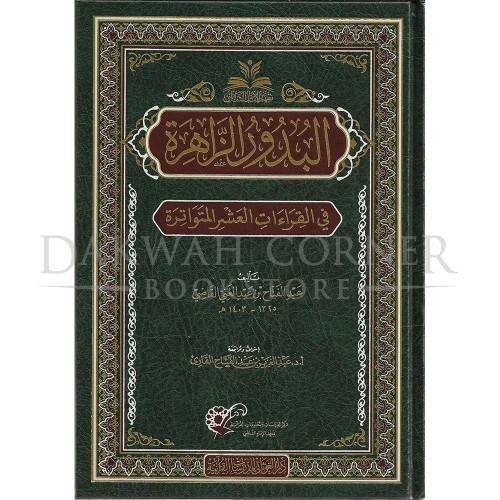
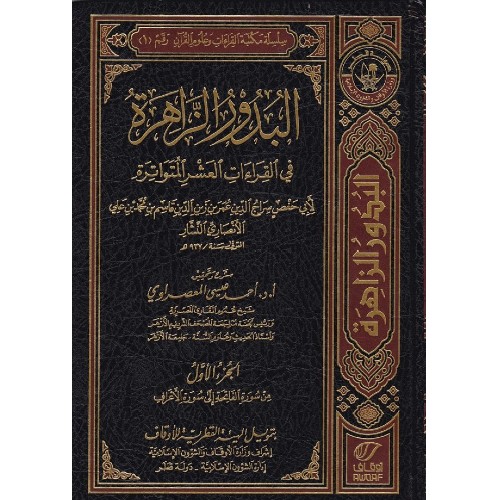
[QQ] Al-Budur Az-Zahirah Fi Al-Qira’at Al-‘Ashr Al-Mutawatirah (البدور الزاهرة في القراءات العشر المتواترة)
Al-Budur Al-Zahirah: In The Ten Consecutive Recitations from The Sattabati and Dura, is prepared by the best of the works of Sheikh Abdul Fattah al-Qadi.
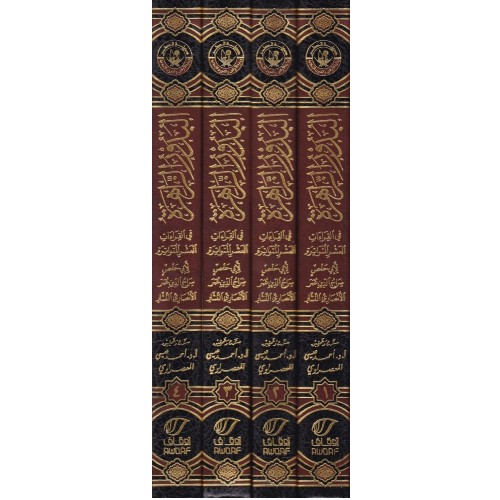
[QQ] Al-Budūr Az-Zāhirah Fī Al-Qirāʾāt Al-ʿAshr (4 Vol) / البدور الزاهرة في القراءات العشر مجلدات
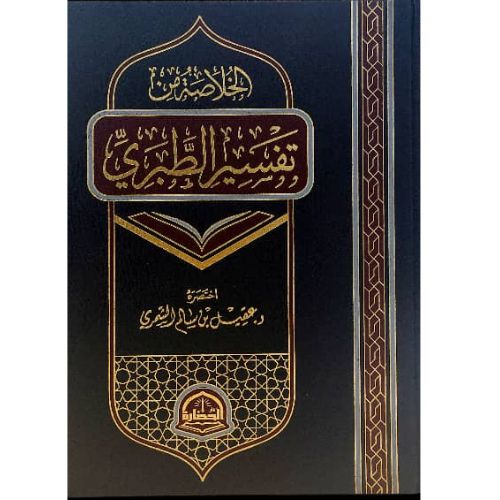
[QQ] Al Khulasat Min Tafsir Al Tabari (الخلاصة من تفسير الطبري)
الخلاصة من تفسير الطبري / مجلد كبير
Recently Viewed
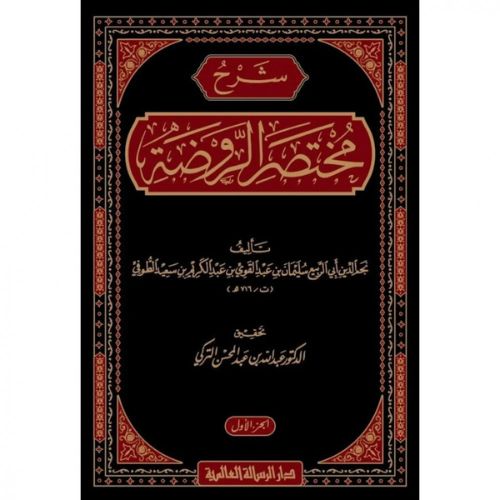
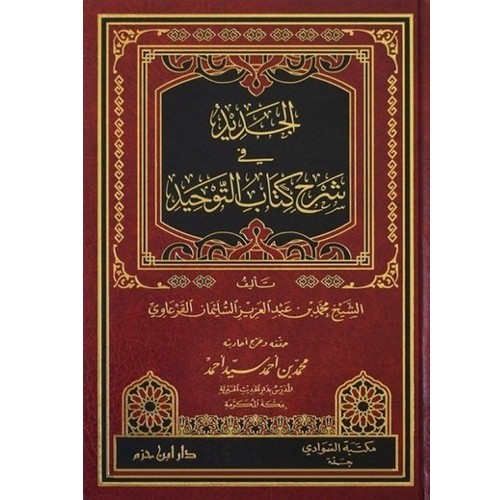
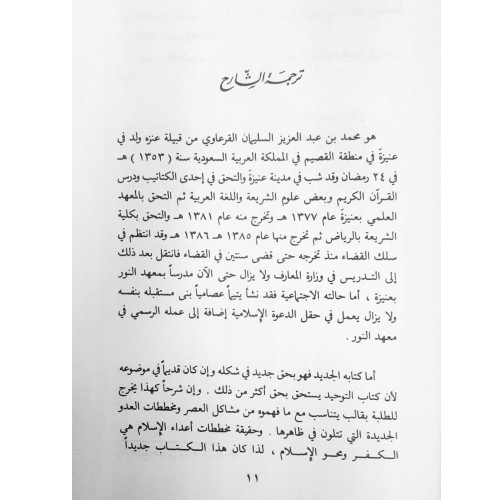
[AC] Al-jadid Fi Sharhu Kitab At-tauhid (الجديد في شرح كتاب التوحيد)
الثاني المتوسط:
– الفصل الأول: من: أول باب (قول الله تعالى: حتى إذا فزع عن قلوبهم). – إلى: آخر باب (ما جاء في حماية المصطفي صلى الله عليه وسلم جناب التوحيد).
– الفصل الثاني: من: أول باب (ما جاء أن بعض هذه الأمة يعبد الأوثان). – إلى: آخر باب (ما جاء في قول الله تعالى: وعلى الله فتوكلوا).
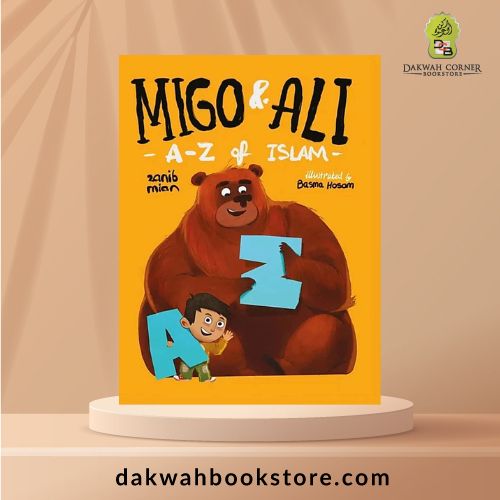
Migo & Ali: A-Z of Islam
Migo & Ali are back! This charming 300 page, full colour book, covers 75 topics! Children will find Islamic words or concepts explained in simple, loving, child-friendly language. Vibrant illustrations decorate every section, and we see more of the light-hearted, humourous dialogue between Migo and Ali, which is what these characters are renowned for! This go-to resource is a family Islamic parenting tool which you shouldn’t be without.
Suitable for 5+ years old
[ATQ] Tafsir Al Baghawi (Ma’alim Al Tanzil) / تفسير البغوي
من أجلّ الكتب وأنبلها حاوٍ للصحيح من الأقول , عارٍ عن الغموض والتكلف في توضيح النص القرآني , محلى بالأحاديث النبوية والآثار الغالب عليها الصحة . فمعالم التنزيل من أشهر كتب التفسير بالمأثور وهو تفسير كامل للقرآن مع مقدمة للمؤلف يستهلها بحمد الله والصلاة والسلام على رسوله، ثم يبين مهمة إرسال الرسول وإنزال الكتاب المعجز عليه، ثم يذكر ما اشتمل عليه القرآن من الأمور عقيدة وفقهاً وقصصاً وحكماً.
معالم التنزيل : كتاب متوسط , نقل فيه مصنفه عن مفسري الصحابة والتابعين ومن بعدهم
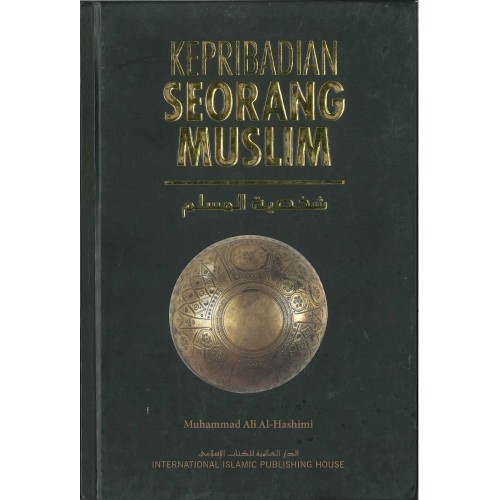
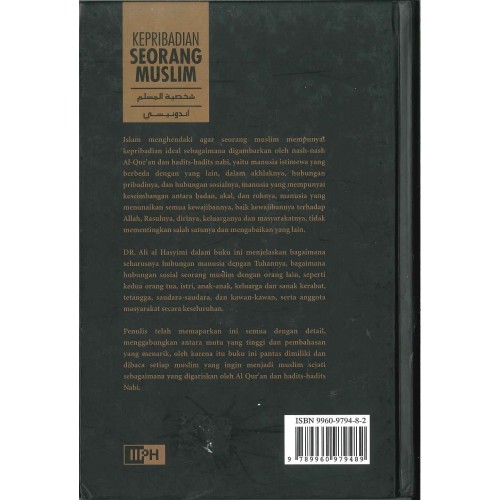
Kepribadian Seorang Muslim
Kepribadian Seorang Muslim: yang ditekankan oleh Al Qur’an maupun sunnah. Kalau kita membaca Al-Qur’an dan hadits-hadits nabi saw maka kita akan mendapatkan banyak sekali petunjuk dan ajaran yang mengajarkan agar seorang muslim menjadi orang yang paripurna, menjadi orang yang berguna bagi bangsa dan agamanya, namun tidak semua orang bisa memahami nash-nash Al-Qur’an dan hadits berkaitan dengan karkter dan sifat-sifat seorang muslim. Dalam buku ini penulis menyajikan kepada kita hasil telaah beliau yang luas dan mendalam tentang karakter seorang muslim sebagaimana yang dikehendaki olah Al-Qur’an dan hadits nabi. Beliau memaparkan bagaiman semestinya hubungan antara seorang muslim dengan tuhannya, dengan kedua orang tuanya, dengan saudara-saudaranya, dengan anak dan isterinya, dengan tetangga dan masyarakatnya, bangsa dan negaranya. This is the Indonesian translation of the book The Ideal Muslim: The True Islamic Personality of the Muslim as Defined in the Qur’an and Sunnah. In all areas of life, we can learn through the teachings of Prophet Muhammad (blessings and peace of Allah be upon him). There are many lessons to learn by his example. They lead us to believe that the good personality traits of a Muslim are ones that naturally propel us to be closer to Allah. In this book we examine proofs from the Qur’an and the Sunnah that give us an idea about those characteristics that will guide us in our hearts and actions to be better people in the eyes of our Creator. The author gives a clear overview of the practical aspects of the Islamic lifestyle, as exemplified by the Prophet (blessings and peace of Allah be upon him) and his Companions. Moving from the innermost aspect of the individual’s spiritual life to his dealings with all those around him, one can see how the Muslim is expected to interact with all others in his life. This book is valuable for individual self-development, but will also serve as a rich source of material and ideas for study circles and discussion groups. The author supports each point with extensively evidential quotations
from the Qur’an and Sunnah and gives us thereby an insight into the life of the first Muslim community in Madinah. At a time when alien influences are overwhelming Muslims throughout the world and the temptation to adopt un-Islamic ways is greater than ever, this book serves as a timely reminder to us to go back to our Islamic sources and to adhere to our distinct, divinely-ordained way of life.
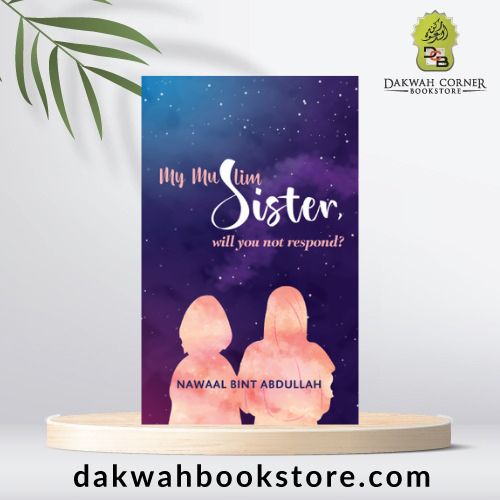
My Muslim Sister, will you not respond?
This book is the result of the author’s personal experiences and observation of the issues concerning muslim women of today. From the influences of society and culture, to the lack of understanding toward obligations and rights, women in general are under pressure to “look good.”
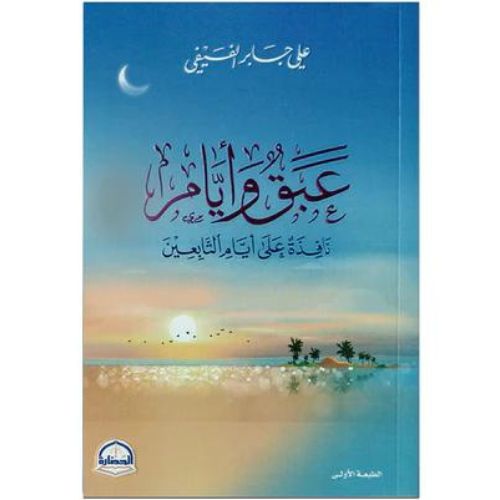
[MM] Abaq Wa Ayyam ( عبق وأيام)
أيام التابعين المضمّخة بذلك العبق الفريد، وتلك المشاعر الاستثنائية وكأنّي بشوارعهم العتيقة وفوانيسهم المعلّقة على أبواب مساجدهم الطينية، وكأني بخطواتهم المخبتة ونوافذهم المشرَعة على عهد الصحابة.. كلها تنبعث عبر كلماتهم ومواعظهم وصدقهم
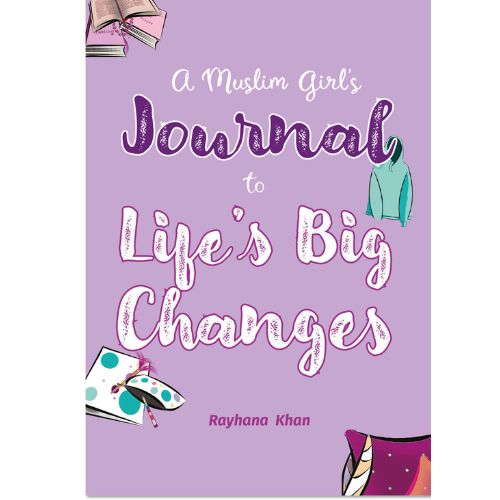
Muslim Girl’s Journal to Life’s Big Changes
Bursting with inspiring illustrations, activities and challenges, this journal is your fun space to building a stronger relationship with Allah and living your best life.
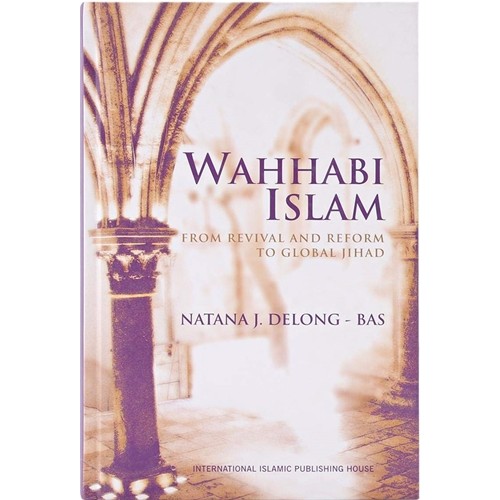
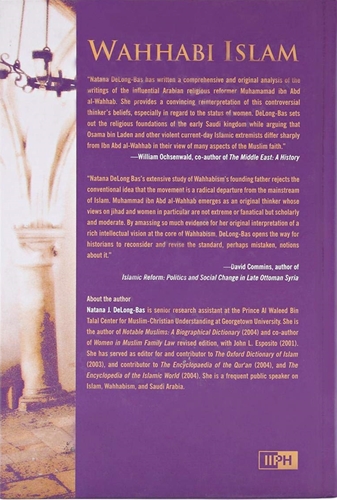
Wahhabi Islam From Revival And Reform To Global Jihad
Until September 11, 2001 few Westerners had ever heard of “Wahhabism.” Now most of us recognize the word as describing an austere and puritanical type of Islam, mentioned frequently in connection with Osama bin Laden and Saudi Arabia and often named as the inspiration behind the 9/11 terror attacks. The word “Wahhabi” stems from the name of the founder of this system of thought, Muhammad Ibn Abd al-Wahhab (1702-1791), companion and religious adviser to Muhammad Ibn Saud, founder of the House of Saud. In this book Natana DeLong-Bas offers an in-depth study of the written works of al-Wahhab. She focuses on four areas: theology, legal theory, proselytizing through education and jihad, and law on women. Through a close reading of al-Wahhab’s texts she demonstrates that many aspects of 20th- and 21st-century Wahhabi extremism do not have their origins in his writings. Examples of this extremism include the emphasis on jihad, martyrdom and militancy, and misogyny. The strict division of the world into dar al-Islam and dar al-kufr, according to which only Wahhabi adherents are considered to be true Muslims and all others are non-Muslims who must be fought, is entirely absent from al-Wahhab’s work. Instead, argues DeLong-Bas, all of these themes were only added to Wahhabi teachings in the 19th century following armed engagement with the Ottoman Empire. DeLong-Bas’s study fills an enormous gap in the literature about Wahhabism by returning to the original writings of the founder of the movement. She debunks the common journalistic portrayal of Muhammad Ibn Abd al-Wahhab as an illiterate, rural bumpkin with no scholarly formation. Her revisionist reading of al-Wahhab’s thought will be controversial but impossible to ignore. The book will be essential reading for students and scholars of Islam as well as for those interested in the background of this dangerous modern ideology.