


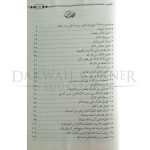
| Weight | 1.62 kg |
|---|---|
| Dimensions | 24.5 × 17.5 × 4.5 cm |
| Author | |
| Binding | Hardcover |
| Pages | 903 |
| Publisher | Dar al Imam Muslim |
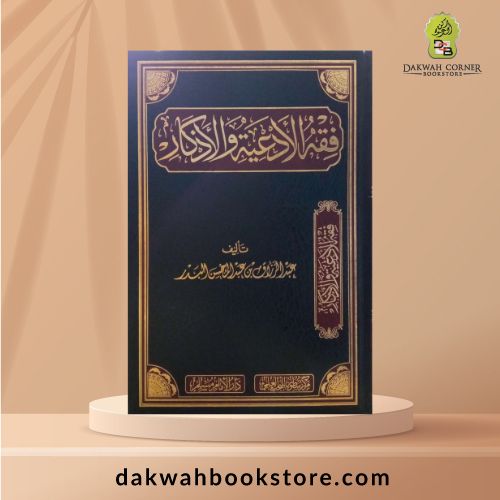
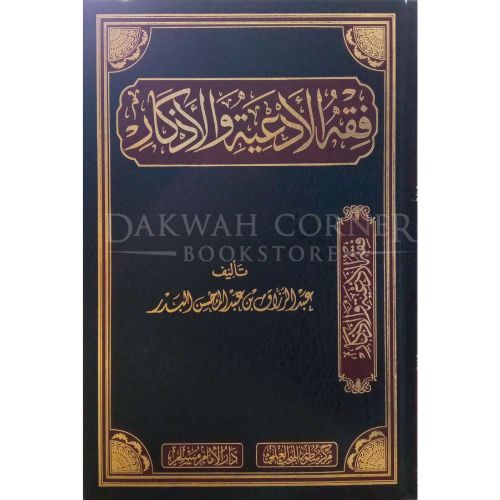
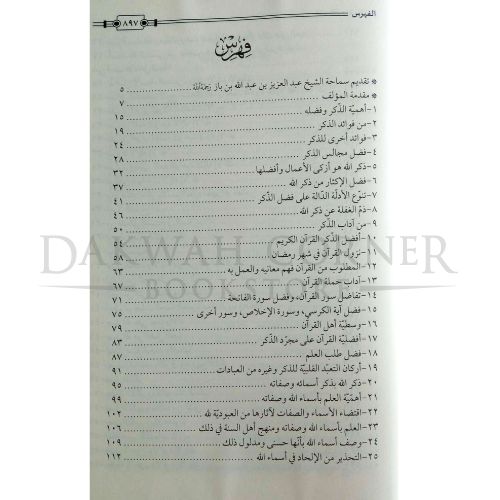
[ASJ] Fiqh Al Ad’iah Wal Azkar / فقه الأدعية والأذكار
Previous product
Flee To Allah
RM50.00
Next product
The Wayfarers' Path
RM25.00
RM90.00
Hurry up, Only 1 left.
somdn_product_page
Compare
Additional information
Related Products
[SJ] Haqibah Al Ta’hil Al Mazhab Al Hanafi حقيبة التأهيل الفقهي المذهب الحنفي 1×5 ط ( 1 )
Highlights:
حقيبة التاهيل الفقهي على مذهب الامام ابي حنيفة 5/1
RM130.00
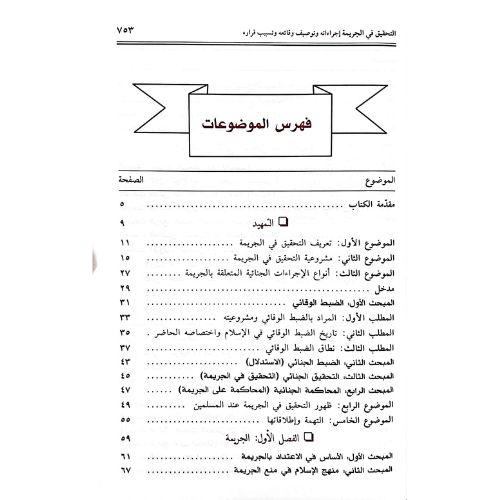
[QJ] Al Tahqiq Fi Al Jarimah Al Ajraatiha Watawsif / التحقيق في الجريمة اجراءاته وتوصيف وقائعه وتسبيب قراره
Highlights:
وفيه خمسة مواضيع :
الموضوع الأول : تعريف التحقيق في الجريمة.
الموضوع الثاني : مشروعية التحقيق في الجريمة.
الموضوع الثالث : أنواع الإجراءات الجنائية المتعلقة بالجريمة.
الموضوع الرابع : ظهور التحقيق في الجريمة عند المسلمين.
الموضوع الخامس: التهمة وإطلاقاتها.
RM150.00
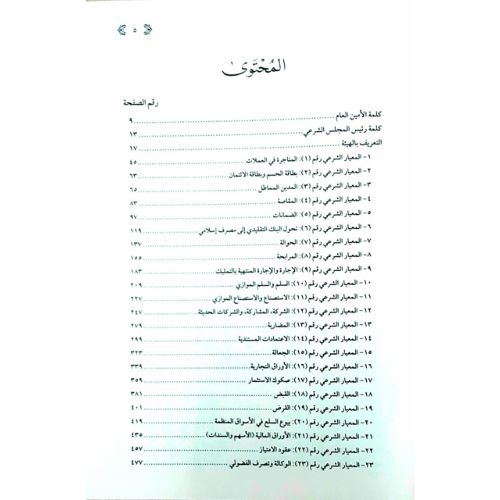
[AE] Al Maa’yir Ash Shari’ah (Shari’ah Standard) / المعايير الشرعية
Highlights:
من أهم ما أنتجه الاجتهاد الفقهي المعاصر في فقه المعاملات المالية، وقد عالجت محتوياته تفصيلاتِ جزءٍ كبيرٍ من عقود الصناعة المالية الإسلامية ومنتجاتها (بما تشتمل عليه من مصرفية، وتكافل، ومصرفية استثمارية، وأسواق المال ومنتجاتها، وتمويل، وغيرها).وقد جُع
RM385.00
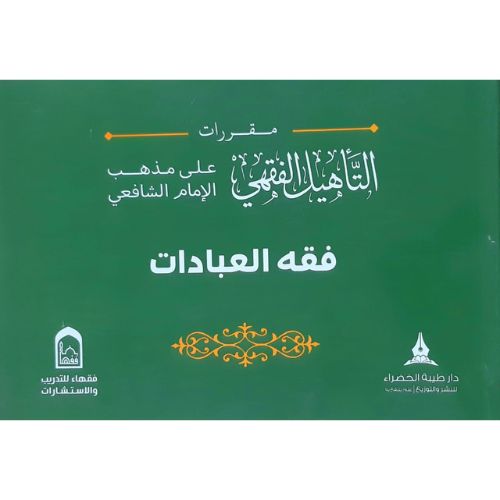
[SJ] Haqibah Al Ta’hil Al Mazhab As Syafie حقيبة التأهيل الفقهي المذهب الشافعي 1×4 ط ( 3 )
Highlights:
حقيبة التاهيل الفقهي على مذهب الامام الشافعي
تقريب مذهب الامام الشافعي للدارسين باسلوب جديد ومنهجية علمية محكمة.
كتاب تمارين مع كل مقرر لتثبيت المعلومة وتنمية الملكة.
عرض بوربوينت يسهل على المعلمين تقديم مضمون الحقيبة لطلابهم.
RM95.00
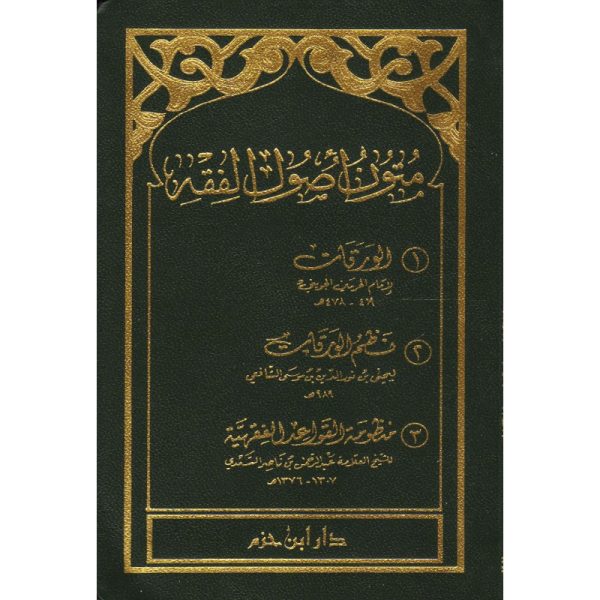
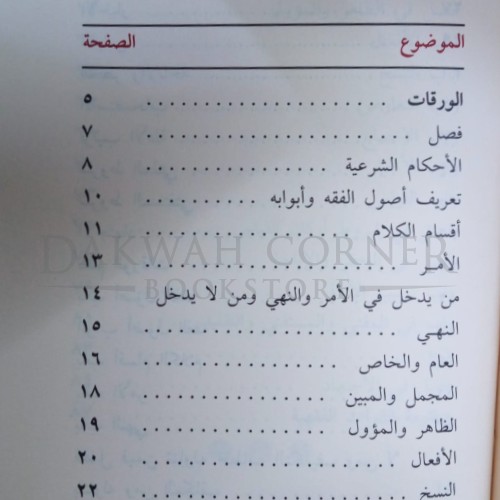
[SJ] Mutunun Usol Fiqh (متون أصول الفقه)
Highlights:
متون النحو (الآجرومية وملحة الإعراب ) لونان ـ شاموا ( 10×15 فلكسي )
RM20.00
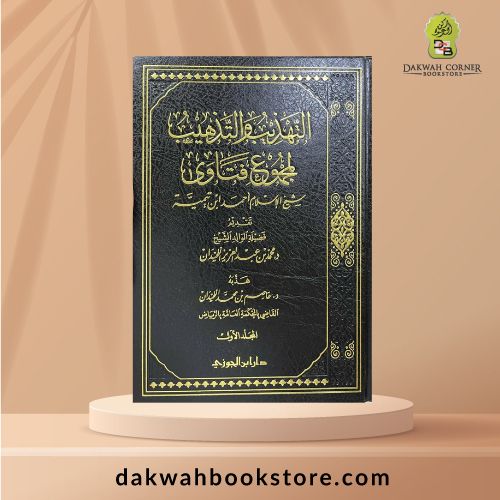
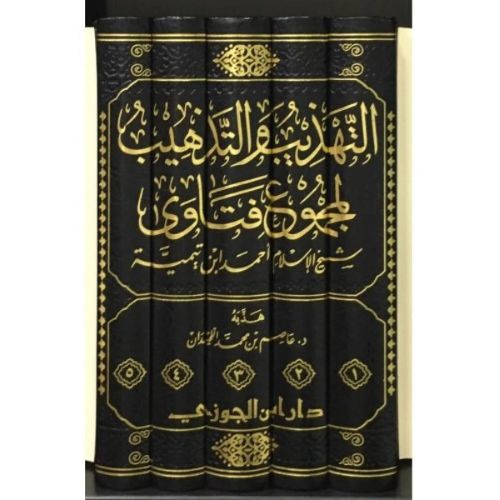
[SJ] Tahzib wa Tazhib li Majmu’ Fatawa 5v / التهذيب والتذهيب لمجموع فتاوى شيخ الإسلام ابن تيمية 1- 5
Highlights:
التهذيب والتذهيب لمجموع فتاوى شيخ الإسلام ابن تيمية
RM350.00
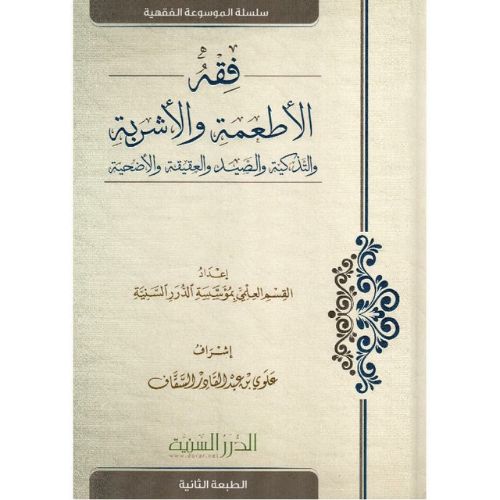
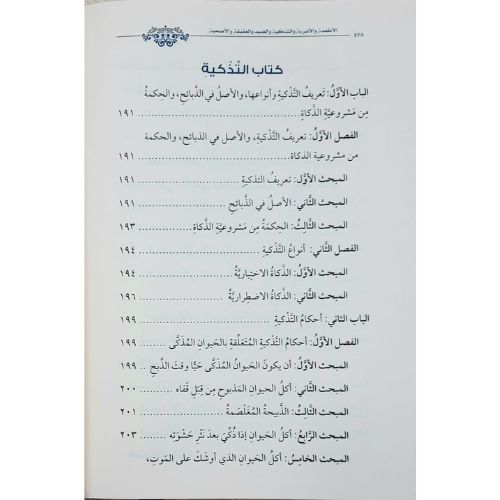
[SJ] Fiqh Al At’amah Wal Ashrabah / فقه الأطعمة والأشربة
Highlights:
فقه الاطعمة والاشربة والتذكية والصيد و العقيقة والاضحية
RM70.00
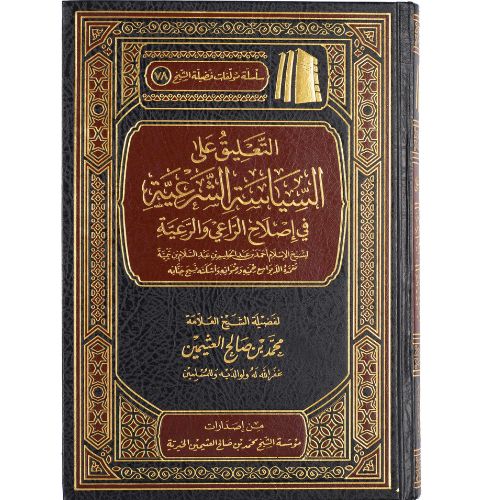
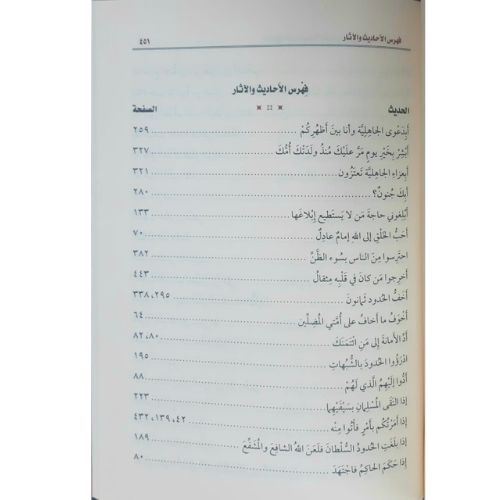
[SJ] Alt’aliq ‘Ala Alsiyasah Alshar’iah (التعليق على السياسة الشرعية)
Highlights:
تعليق وتفصيل ثري النّفع، وغزير الفائدة للشيخ ابن عثيمين رحمه الله على كتاب العلامة شيخ الإسلام ابن تيمية (السياسة الشرعية في أحوال الراعي والرعية)، والذي فيه منفعة للحكام في إدارة كافة شؤون الدولة في ظلّ الشرع، يتكلّم فيه عن اختيار الحاكم، وعن العدل والأمانات، وعن بعض الأحكام الشرعية وحدودها، ويخصّ حدّ الإعدام ويفصل فيه، والمعاملات وغيرها من الأمور.
RM66.00
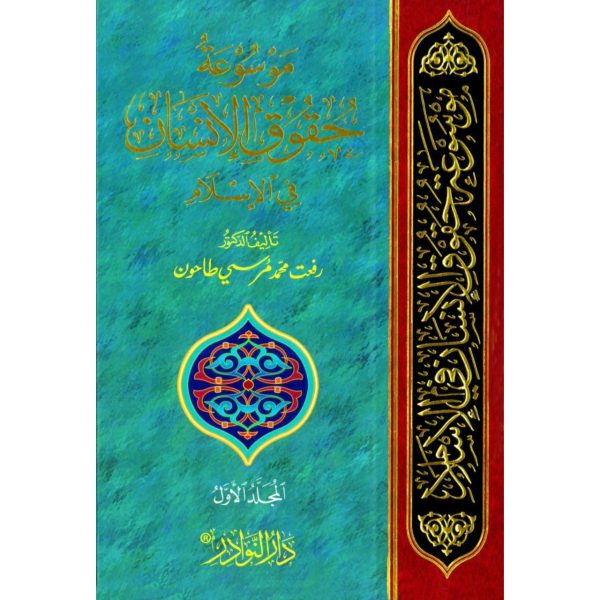

[SJ] Mausueat Huquq AL-insan Fe Al-Islam (1/6 Vols) – موسوعة حقوق الإنسان في الإسلام
Highlights:
يُعتَبرُ هذا الكتابُ صرخةً موجَّهةً إلى الشُّعوبِ الإِسْلاميةِ وإلى وُلاةِ الأمرِ فيها, باعتبار أنَّ الإسلامَ هو خاتَمُ رِسالاتِ السَّماء، وأنَّ الشريعةَ الإسلاميةَ هي المَصدرُ الأساسيُّ لكلِّ الحُقُوقِ والحُرِّيَّاتِ الأساسِيَّةِ للإنسان منذُ أكثرَ مِنْ أربعةَ عشَرَ قَرْناً.
RM667.00
Recently Viewed

The Middle Path of Moderration in Islam (H/B)
Highlights:
In The Middle Path of Moderation in Islam, leading Islamic law expert Mohammad Hashim Kamali examines the concept of wasatiyyah, or moderation, arguing that scholars, religious communities, and policy circles alike must have access to this governing principle that drives the silent majority of Muslims, rather than focusing on the extremist fringe. Kamari explores wasatiyyah in both historical/conceptual terms and in contemporary/practical terms. Tracing the definition and scope of the concept from the foundational sources of Islam, the Qu’ran and Hadith, he demonstrates that wasatiyyah has a long and well-developed history in Islamic law and applies the concept to contemporary issues of global policy, such as justice, women’s rights, environmental and financial balance, and globalization.
Framing his work as an open dialogue against a now-decades long formulation of the arguably destructive Huntingtonian “clash of civilizations” thesis as well as the public rhetoric of fear of Muslim extremism since the attacks of September 11, 2001, Kamali connects historical conceptions of wasatiyyah to the themes of state and international law, governance, and cultural maladies in the Muslim world and beyond. Both a descriptive and prescriptive meditation on a key but often neglected principle of Islam, The Middle Path of Moderation in Islam provides insight into an idea that is in the strategic interest of the West both to show and practice for themselves and to recognize in Muslim countries.
RM189.00
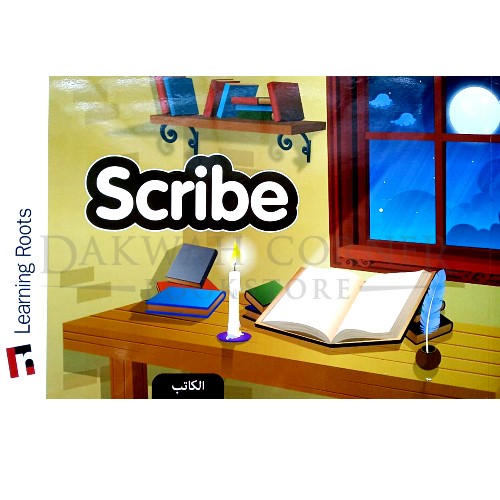
Scribe
Highlights:
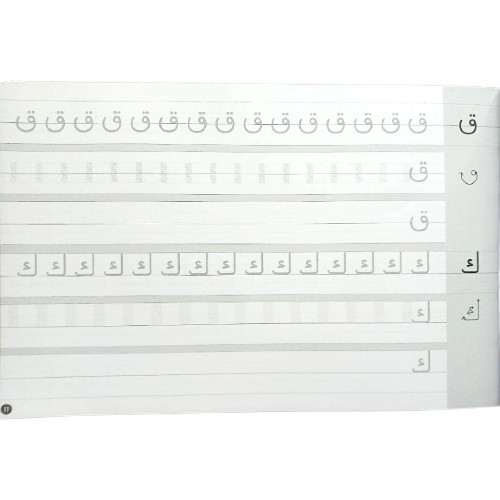
Scribe allows you to achieve beautiful Arabic handwriting with precision guidance, leaving you to practice your skills to perfection. The secret of the Scribe approach is simple: it’s everything an outstanding handwriting practice course should be. In particular, Scribe has been designed with an exclusively tailored typeface that combines the beauty of Arabic calligraphic proportion with the ease of a single-width stroke. There are precision guidelines to help scaffold letters as well as a gradual reduction in the size of the typeface for a smoother transition to more advanced stages. There is plenty of room for practice, and a comprehensive foundational approach means that all aspects of handwriting are covered in a natural progression.
RM30.00
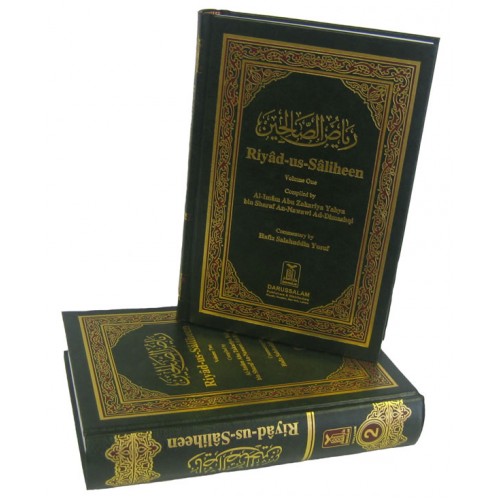
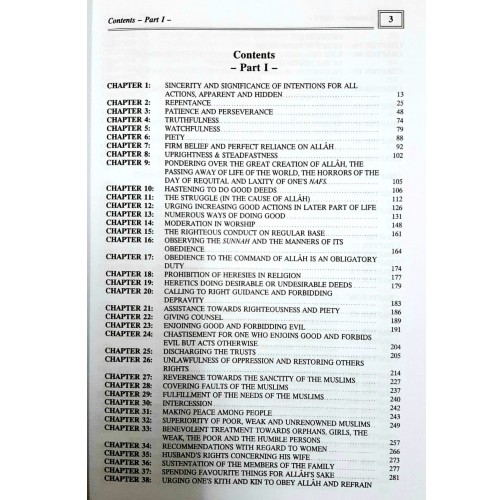
Riyad-us-Saliheen (2 volumes)
Highlights:
Noble Hadith and Hadith Sciences
RM160.00
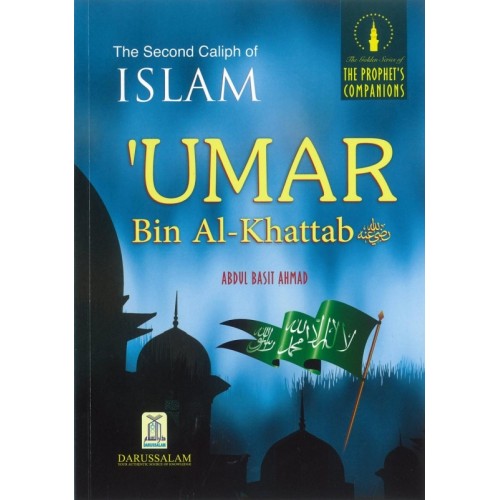
The Second Caliph of Islam: ‘Umar bin Al-Khattab (P/B)
Highlights:
Uthman bin Affan (R) was one of the early men who accepted Islam in Makkah. From the first moment he became a Muslim, he put all his wealth under the service of Islam. He spent most of his resources to satisfy the needs of poor Muslims. Recognizing his generosity and devotion to Islam, the Prophet (S) told him that his place would be in Paradise on the Hereafter. He married Ruqayah (R),the Prophet’s daughter. After she died, he married her sister Um Kulthum ;for that, the people at that time called him Dhun Nurain, “The Man with the Two Lights.”
RM26.00

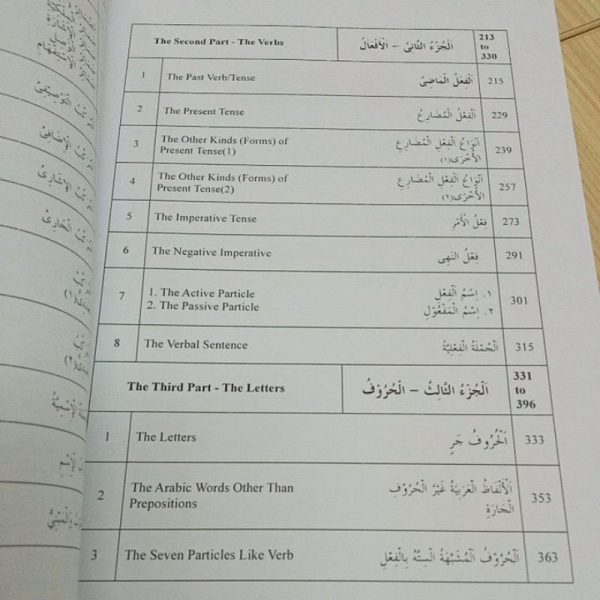
Quranic Arabic With Basic Grammar
Highlights:
This book, which is a compilation of the author’s lectures in seminars during his post-doctoral research at the Centre for Islamic Development Management Studies, Universiti Sains Malaysia, dwells on Arabic language with a focus on Quranic grammar. It comprises of three parts, each part contains various units. The first part contains 15 unit which look into the nouns, pronouns, different types of compounds, the nominal sentence and punctuation. The second part consists of seven units which discuss the various types of tenses, sentences, the imperatives and the particles. The last part featuring five units covers prepositions and different types of words in Arabic.
RM79.00
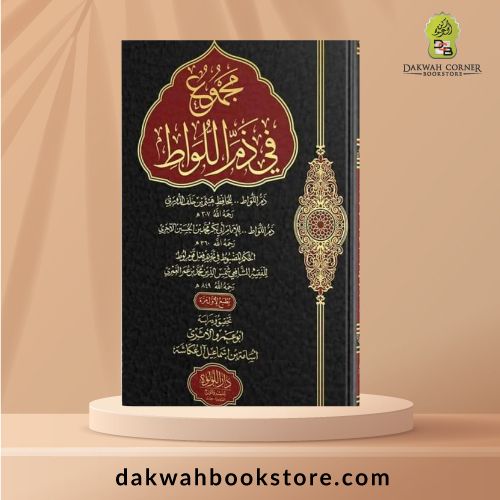
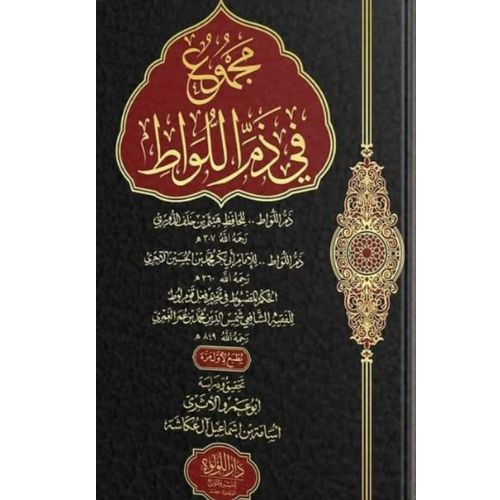
[AMM] Majmu’ fi Dham al-Liwat / مجموع في ذم اللواط
Highlights:
زين الشيطان لقوم نبي الله لوط عليه السلام فعل اللواط وحلاها لهم ورغبهم ووسوس لهم حتي وقعوا فيها وجعلوها في ناديهم. فقام لوط عليه السلام بالنصح والدعوة وتبين الحق حتّى أتى أمر الله فجعل عاليها سافلها وموعظة للناس أجمعين. فتم جمع ما ورد من آيات وأحاديث وأقوال الصحابة والتابعين في المسألة في مصنف مستقل.
RM85.00
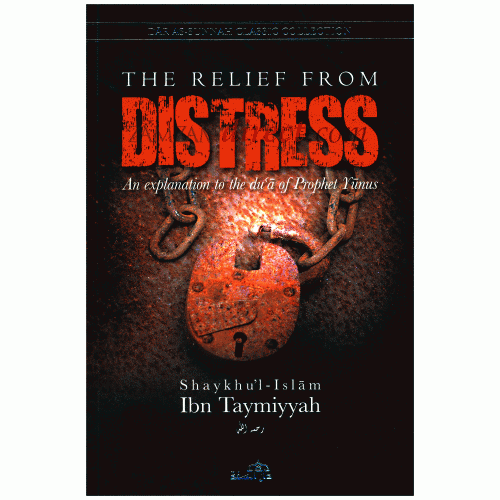
The Relief From Distress : An Explanation to the dua of Prophet Yunus (P/B)
Highlights:
Shaykh al-Islam Ibn Taymiyyah, may Allah sanctify his soul, was asked about the saying of the Prophet (pbuh),
The invocation of my brother Yunus, “none has the right to be worshipped save You; glory be to You, far removed are You from any imperfection; I have been amongst the wrong-doers,” none who is experiencing difficulty employs it except that Allah would relieve him of his difficulty.
What is the meaning of this du’a (prayer, supplication)?
Are their any unstated conditions that have to be met when one articulates it?
What is the connection between belief in the heart and the meaning of this supplication such that it leads to the removal of difficulty?
Why did he explicitly confess, ‘I have been amongst the wrong-doers’ when it is known that tawhid in itself leads to the removal of difficulty?
Is it sufficient to acknowledge ones’ sin alone, or must this be accompanied by repentance and the firm resolve not to repeat that sin in the future?
Why is it that difficulty and harm is removed only when a person relinquishes any hope, reliance and dependency upon the creation?
How can the heart relinquish the characteristic of putting hope in the creation and depending on them, and instead put its hope in Allah, Exalted is He, and turn to Him in its entirety?
What are the methods that would aid the heart in doing this?
The author replies to these questions in the form of this book.
RM117.00
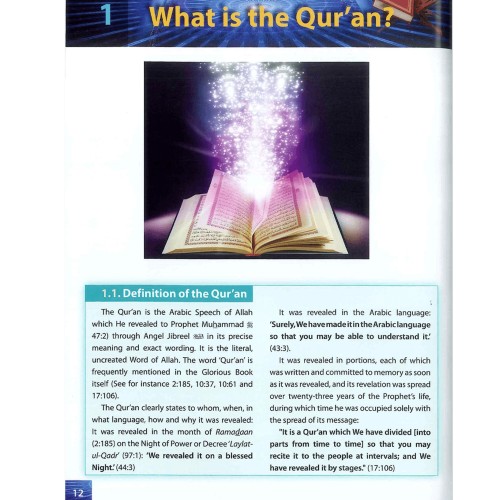

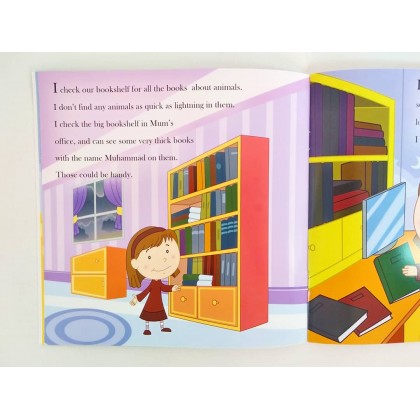
Faatimah & Ahmed An Extraordinary Journey
5 ★
5 ★
1 Rating
5 ★
1
4 ★
0
3 ★
0
2 ★
0
1 ★
0
Highlights:
Faatimah and Ahmed are watching the lightning during a storm. There is an animal that is named after the Arabic word for lightning – Al Buraq. Faatimah wants to know more about it! Join Faatimah and Ahmed as they discover more about Buraaq, and the extraordinary journey Prophet Muhammad SAW went on.
RM17.00
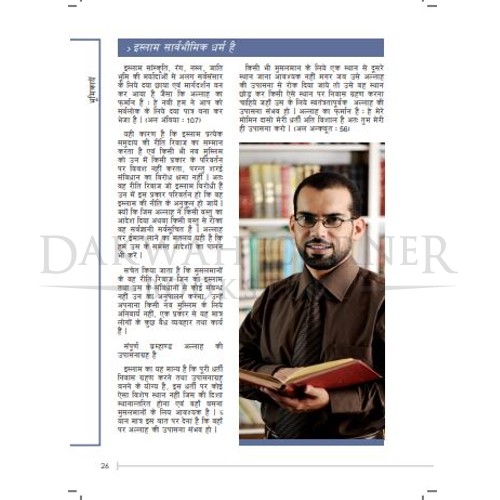
Why Me? Understanding One’s Worldly Fate (H/B)
Highlights:
You will never understand why you’re here if you don’t know the One who brought you here! You will never understand why you were blessed with something, if you don’t know what it means to be a blessing yourself.
RM85.00