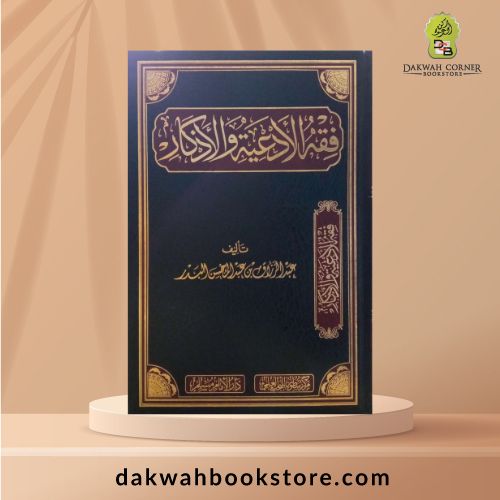
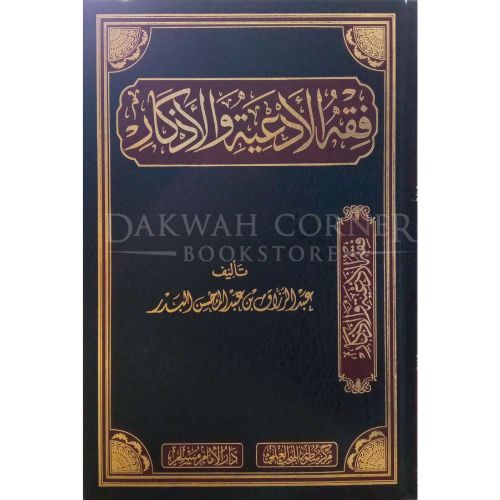

| Weight | 1.62 kg |
|---|---|
| Dimensions | 24.5 × 17.5 × 4.5 cm |
| Author | |
| Binding | Hardcover |
| Pages | 903 |
| Publisher | Dar al Imam Muslim |
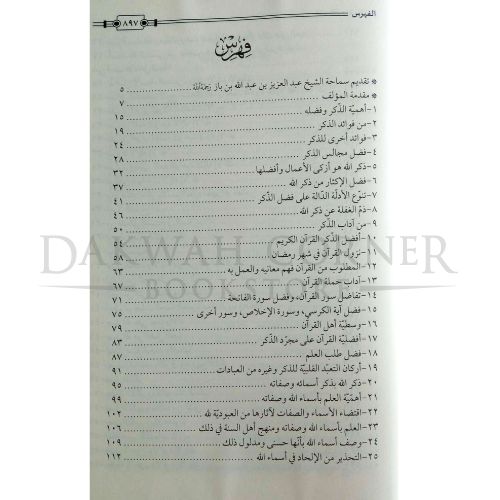
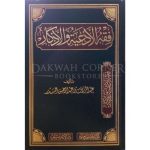
[ASJ] Fiqh Al Ad’iah Wal Azkar / فقه الأدعية والأذكار
Previous product

Flee To Allah
RM50.00
Next product
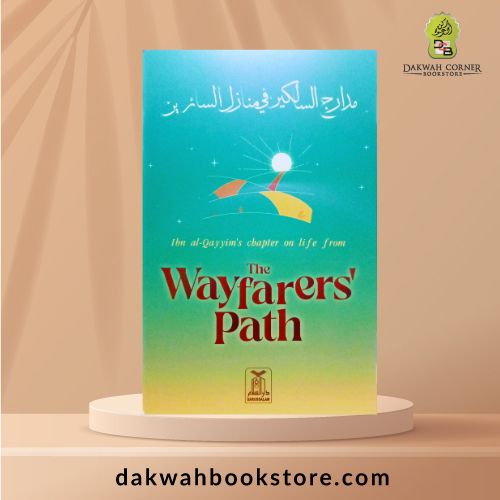
The Wayfarers' Path
RM25.00
RM90.00
Hurry up, Only 1 left.
somdn_product_page
Compare
Additional information
Related Products

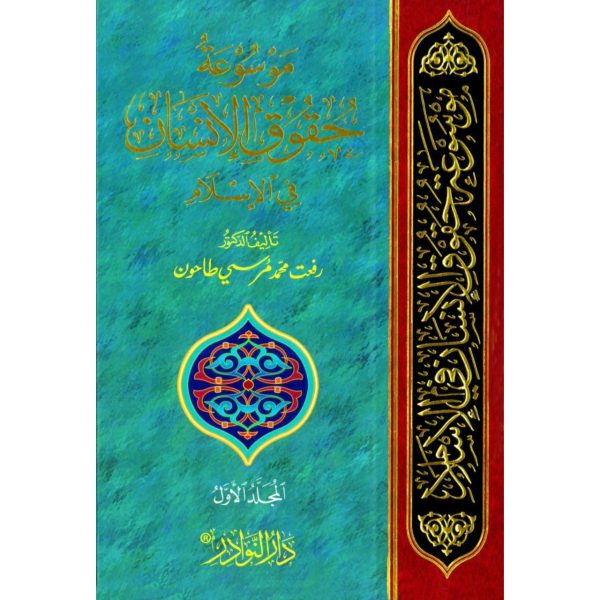

[SJ] Mausueat Huquq AL-insan Fe Al-Islam (1/6 Vols) – موسوعة حقوق الإنسان في الإسلام
Highlights:
يُعتَبرُ هذا الكتابُ صرخةً موجَّهةً إلى الشُّعوبِ الإِسْلاميةِ وإلى وُلاةِ الأمرِ فيها, باعتبار أنَّ الإسلامَ هو خاتَمُ رِسالاتِ السَّماء، وأنَّ الشريعةَ الإسلاميةَ هي المَصدرُ الأساسيُّ لكلِّ الحُقُوقِ والحُرِّيَّاتِ الأساسِيَّةِ للإنسان منذُ أكثرَ مِنْ أربعةَ عشَرَ قَرْناً.
RM667.00
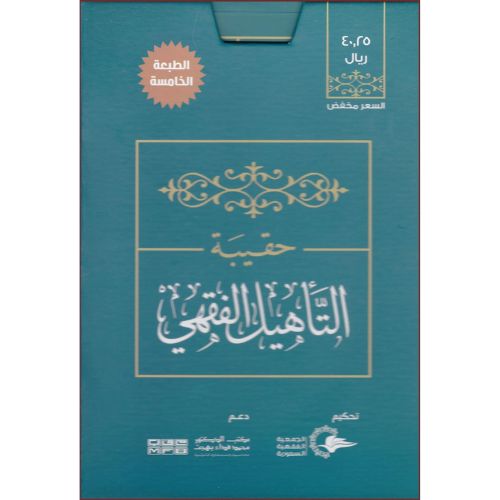
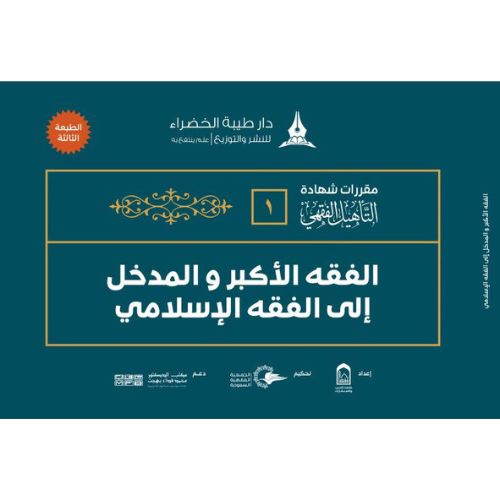
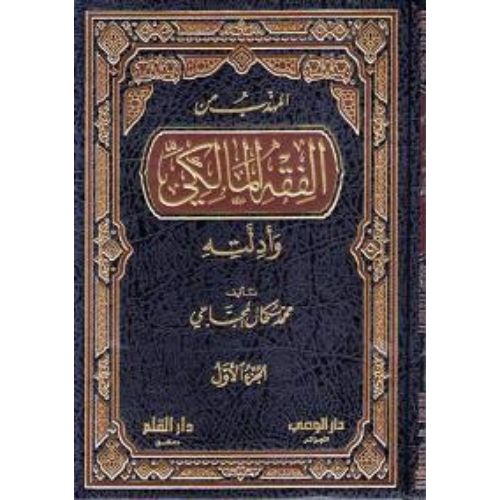
[SJ] Haqibah Al Ta’hil Al Mazhab Al Hanbali حقيبة التأهيل الفقهي المذهب الحنبلي 1×4
Highlights:
حقيبة التأهيل الفقهي على مذهب الإمام أحمد, تتكون هذه الحقيبة من أربعة كتب
الأول: الفقه الأكبر و المدخل إلى الفقه الإسلامي
الثاني: فقه العبادات
الثالث: فقه المعاملات و الأسرة و الجنايات
الرابع: القواعد الفقهية و أصول الفقه
إعداد: مكتب فقهاء للدكتورعامر بهجت
RM95.00
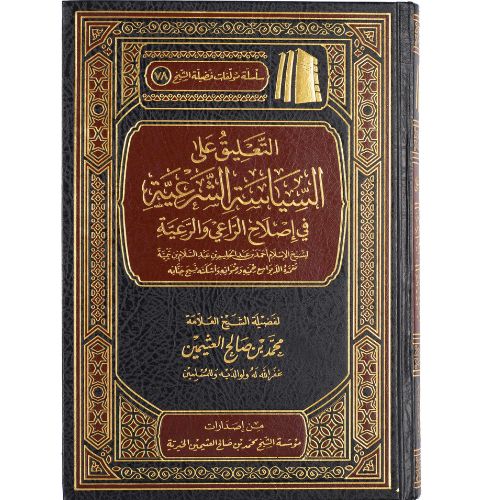
[SJ] Alt’aliq ‘Ala Alsiyasah Alshar’iah (التعليق على السياسة الشرعية)
Highlights:
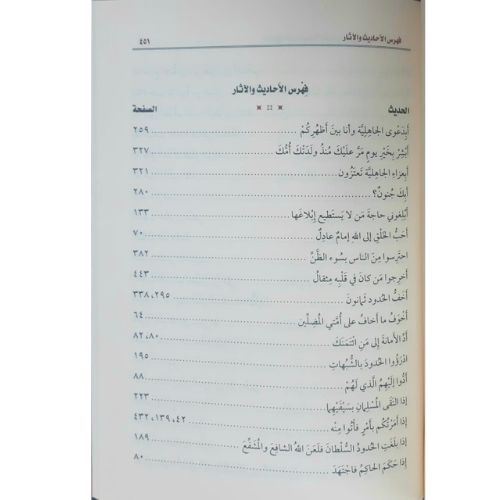
تعليق وتفصيل ثري النّفع، وغزير الفائدة للشيخ ابن عثيمين رحمه الله على كتاب العلامة شيخ الإسلام ابن تيمية (السياسة الشرعية في أحوال الراعي والرعية)، والذي فيه منفعة للحكام في إدارة كافة شؤون الدولة في ظلّ الشرع، يتكلّم فيه عن اختيار الحاكم، وعن العدل والأمانات، وعن بعض الأحكام الشرعية وحدودها، ويخصّ حدّ الإعدام ويفصل فيه، والمعاملات وغيرها من الأمور.
RM66.00
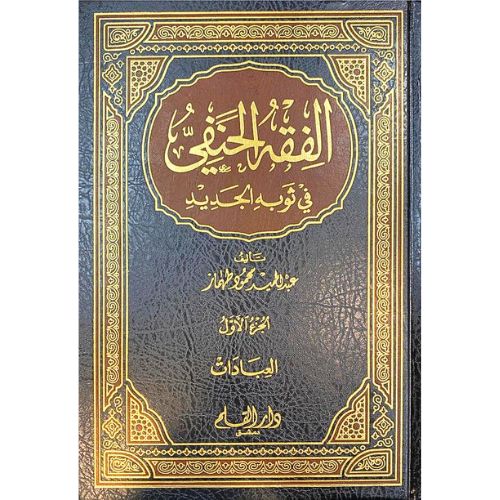
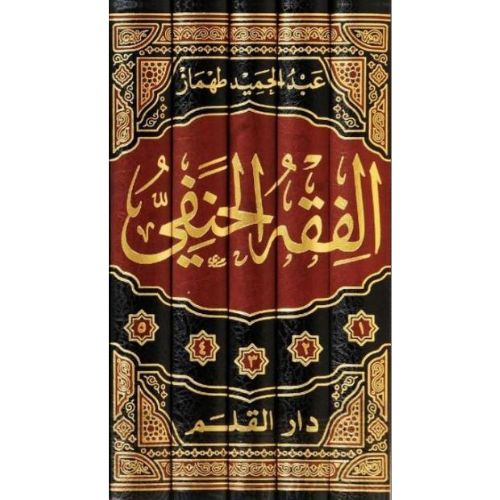
[SJ] Al Fiqh Al Hanafi Fi Thawbah Al Jadid 5 Vol. / (الفقه الحنفي في ثوبه الجديد ١/٥)
Highlights:
الفقه الحنفي في ثوبه الجديد – عبد الحميد محمود طهماز
كتاب بعنوان الفقه الحنفي في ثوبه الجديد, قام المؤلف بتقديم صياغة جديدة و ميسرة للأحكام الشرعية على مذهب الإمام أبي حنيفة مع ذكر الدليل من الكتاب و السنة
المجلد الأول: العبادات من الطهارة إلى الحج
المجلد الثاني: الأحوال الشخصية: النكاح و الطلاق و الرضاع و المواريث والالتزامات و التبرعات: الأيمان و النذور, إلخ
المجلد الثالث: أحكام نظام الحكم: الجهاد و القضاء و العقوبات
المجلد الرابع: أحكام المعاملات: البيوع و مسائل البيوع
المجلد الخامس: أبواب فقهية متعددة المواضيع: الأطعمة و الأشربة و الذبائح, إلخ
طبعة جميلة في خمسة مجلدات
RM575.00
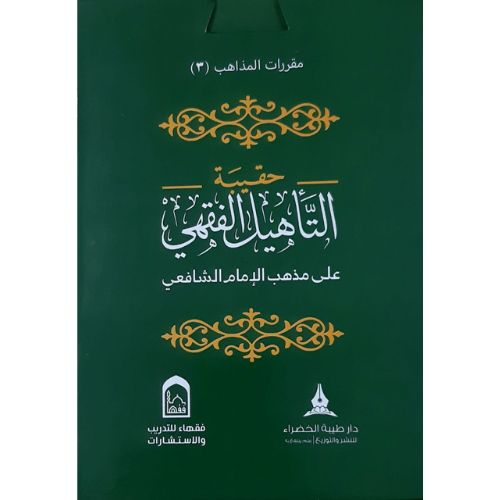
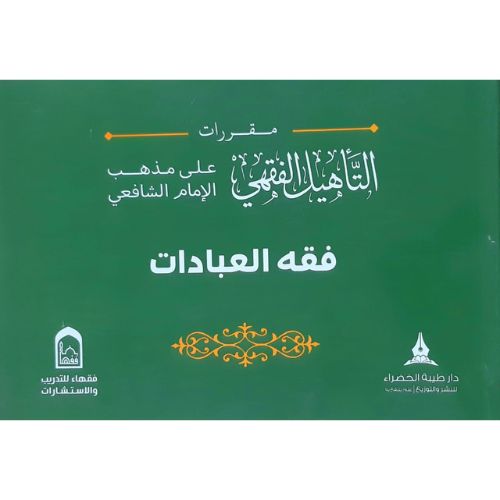
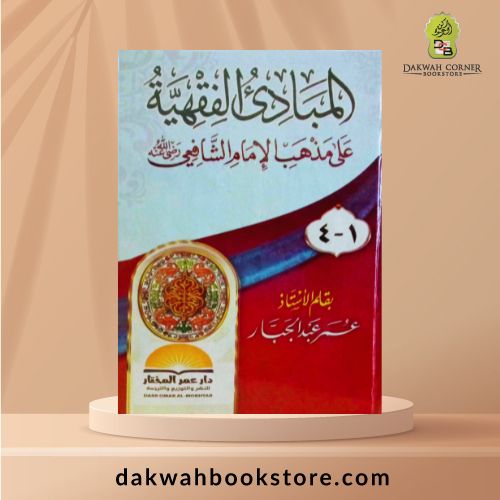
[SJ] Haqibah Al Ta’hil Al Mazhab As Syafie حقيبة التأهيل الفقهي المذهب الشافعي 1×4 ط ( 3 )
Highlights:
حقيبة التاهيل الفقهي على مذهب الامام الشافعي
تقريب مذهب الامام الشافعي للدارسين باسلوب جديد ومنهجية علمية محكمة.
كتاب تمارين مع كل مقرر لتثبيت المعلومة وتنمية الملكة.
عرض بوربوينت يسهل على المعلمين تقديم مضمون الحقيبة لطلابهم.
RM95.00
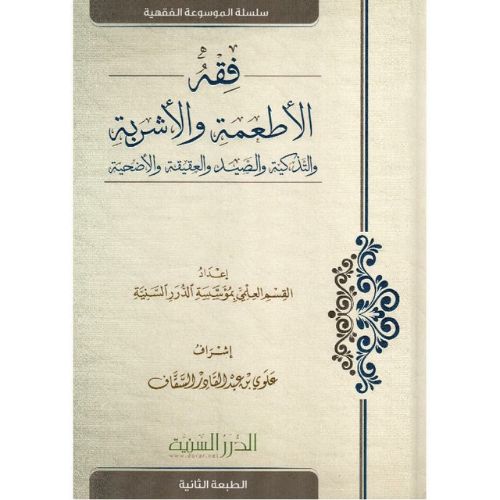
[SJ] Fiqh Al At’amah Wal Ashrabah / فقه الأطعمة والأشربة
Highlights:
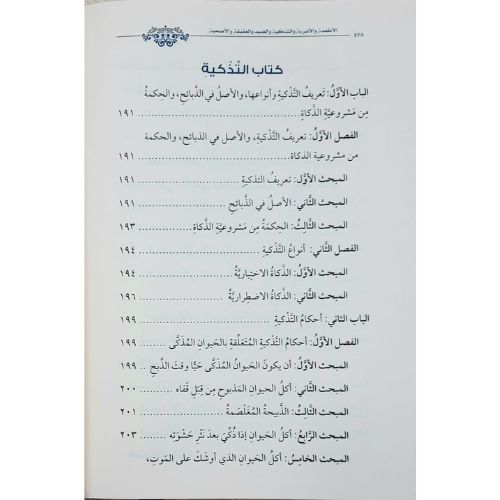
فقه الاطعمة والاشربة والتذكية والصيد و العقيقة والاضحية
RM70.00
Recently Viewed


Understanding Ramadan
Highlights:
This book covers important aspects regarding Ramadan. The book is a collection of Ahadith from Sahih Al-Bukhari, with guided translations. The topics which are covered are Fasting, Salat at-Tarawih, Lailat Al-Qadr and Itikaf. Also, the section of two Eid Prayers and the chapter on Sadaqat Al-Fitr are included for the thematic purpose. This book is a must-read for all.
RM20.00



The Sources of the Qur’an
Highlights:
“Who is the author of the Qur’an?” On this subject scholars have flagrantly contradicted each other. This work attempts to make a critical review of the major ‘authorship’ theories by pressing into service logical arguments, historical evidence, textual analysis and scientific data. Probably, the only point of agreement about the Qur’an is that it was uttered for the first time by a man who was born in Makkah (Mecca), a city of Arabia, in the sixth century—a man by the name of Muhammad (blessings and peace be upon him). As to the source of the Qur’an, scholars are divided into three main groups: those who believe that Muhammad (blessings and peace be upon him) himself was the author; those who believe that he was not the author himself but learned it from another human author or authors; and those who believe that the Qur’an has no human author but is rather a word-for-word revelation from God. Hamza Njozi examines the three theories and comes to a firm and logical conclusion.
RM14.00

The Third Caliph of Islam: Uthman bin Affan (P/B)
Highlights:
Uthman bin Affan (R) was one of the early men who accepted Islam in Makkah. From the first moment he became a Muslim, he put all his wealth under the service of Islam. He spent most of his resources to satisfy the needs of poor Muslims. Recognizing his generosity and devotion to Islam, the Prophet (S) told him that his place would be in Paradise on the Hereafter. He married Ruqayah (R),the Prophet’s daughter. After she died, he married her sister Um Kulthum ;for that, the people at that time called him Dhun Nurain, “The Man with the Two Lights.”
RM26.00
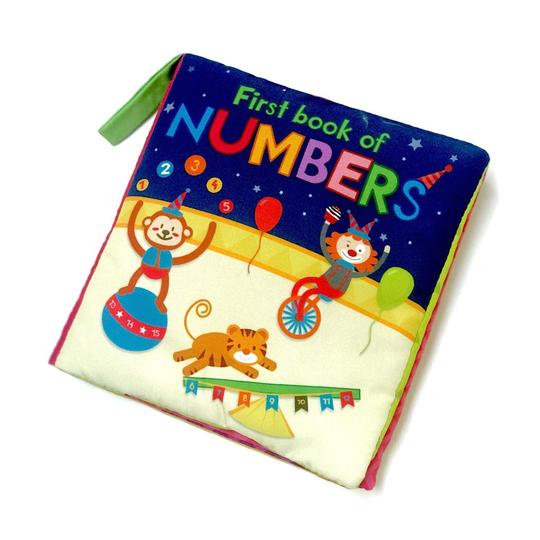
SOFT BOOK – First Book of NUMBERS
Highlights:
Numbers from 1 to 20
Complete with pictures to count
Colorful illustrations
RM44.00


Zakah According to the Quran & Sunnah (Darussalam)
Highlights:
Zakah, the third Pillar of Islam, is probably the first Pillar of its economic system. It represents the first and most important mechanism to implement economic justice and to provide sustenance to the economically unfortunate, two issues for which Islam is especially sensitive. These two issues are the essence of this book. This book consists of all the main issues of Zakat (i-e, Zakah on Gold, Silver, Paper Money, Livestock, Fruits, Grains, Rented Land, Buried treasures, Minerals, Trade, Shares, Stocks, and Exploited Assets etc). The main objective of this work is to serve an easy and authentic reference to the reader.
RM65.00


The Middle Path of Moderration in Islam (H/B)
Highlights:
In The Middle Path of Moderation in Islam, leading Islamic law expert Mohammad Hashim Kamali examines the concept of wasatiyyah, or moderation, arguing that scholars, religious communities, and policy circles alike must have access to this governing principle that drives the silent majority of Muslims, rather than focusing on the extremist fringe. Kamari explores wasatiyyah in both historical/conceptual terms and in contemporary/practical terms. Tracing the definition and scope of the concept from the foundational sources of Islam, the Qu’ran and Hadith, he demonstrates that wasatiyyah has a long and well-developed history in Islamic law and applies the concept to contemporary issues of global policy, such as justice, women’s rights, environmental and financial balance, and globalization.
Framing his work as an open dialogue against a now-decades long formulation of the arguably destructive Huntingtonian “clash of civilizations” thesis as well as the public rhetoric of fear of Muslim extremism since the attacks of September 11, 2001, Kamali connects historical conceptions of wasatiyyah to the themes of state and international law, governance, and cultural maladies in the Muslim world and beyond. Both a descriptive and prescriptive meditation on a key but often neglected principle of Islam, The Middle Path of Moderation in Islam provides insight into an idea that is in the strategic interest of the West both to show and practice for themselves and to recognize in Muslim countries.
RM189.00
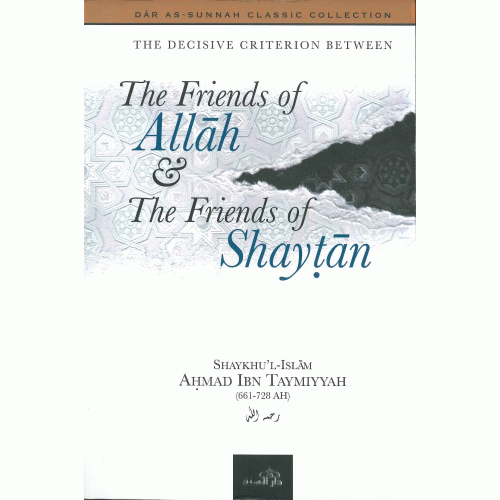
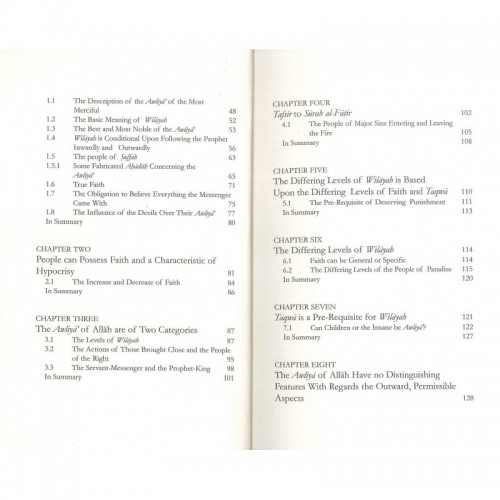
The Decisive Criterion Between The Friends of Allah & The Friends of Shaytan (P/B)
Highlights:
The Decisive Criterion between the Awliyaa of The Most Merciful and the Awliyaa of Shaytaan Indeed the enmity between man and Shaytaan is old, commencing from the time that Adam (alayhi as-salaam) was created � from the time he was ordered to prostrate to him. Shaytaan refused, become arrogant and hence disobeyed his Lord. His arrogance and pride let him to commit a whole host of sins, it made him expend every effort in misleading the children of Adam and made him beautify and embellish sins such that they accepted them and eagerly committed them. Books sent the Messenger and enjoined His servants to various injunctions and admonitions in order to secure them from the evil of Shaytaan.
In the light of His advice, profound injunctions and admonitions in order to secure them from the evil of Shaytaan. In the light of His advice, profound injunctions and sever warnings, mankind becomes separated into two groups: a group who were guided and a group who deserved to be misguided. The groups who were guided are the inhabitants of Paradise and the groups who were misguided are the denizens of the Fire. The inhabitants of Paradise are the Awliyaa of the Most Merciful and the denizens of the Fire are the Awliyaa of Shaytaan
RM128.00
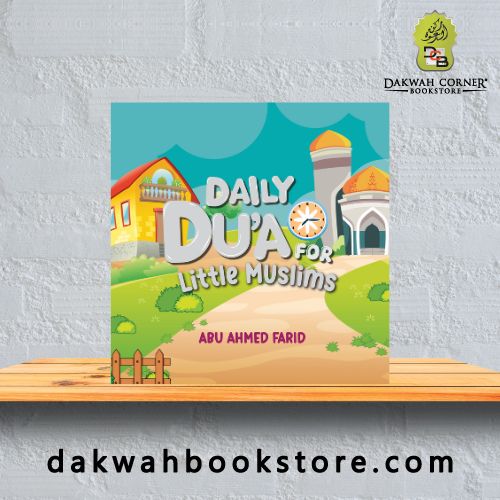
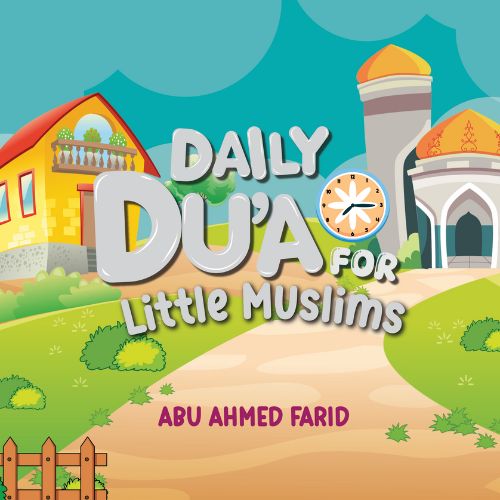
Daily Dua’s for Little Muslims
Highlights:
Supplications made easy for young hearts!
Join us on a joyful journey to remember Allah every day. Discover simple adhkar and du’as taught by our beloved Prophet Muhammad ﷺ, filling our lives with love, protection, and endless rewards. Let us grow in faith together and keep Allah close in everything we do.
RM20.00
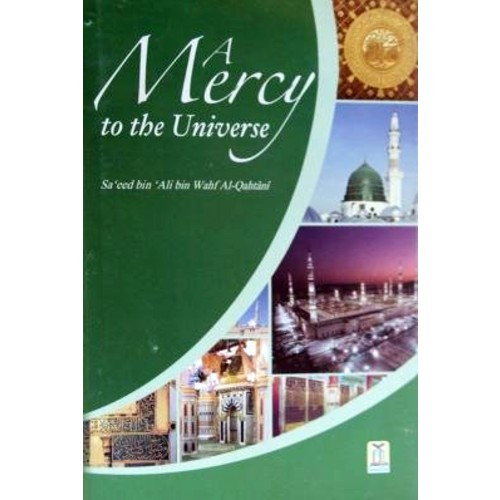
A Mercy to the Universe
Highlights:
Mercy is clemency and forbearance; mercy is the disposition to forgive or show compassion; mercy means a favor or a blessing; mercy further denotes the qualities of kindness, sympathy, generosity, and beneficence. Suffice is to say that all of these qualities were present in abundance in the character of the Prophet Muhammad (May Allah have his peace and blessings on him).
He was a mercy not just to believers, but to disbelievers as well, for he would invite them to come out of darkness and into the light of true guidance. He is a favor and blessing for mankind, not just the Arabs, the people among whom he was sent, but for people of all races and colors. His staunchest enemies became his closest followers when the cloud of blind prejudice was removed from their sight and when they were able, for the very first time, to see with clarity the true nature of the Prophet’s character.
This book deals with many of the qualities that the Prophet possessed that made him the mercy to everyone. It starts with His perfect lineage, His noble upbringing, and his fully dedicated worship. This book then gives many of the qualities of the Prophet including his generosity, humbleness, bravery, patience, and leadership to name a few. Each chapter includes examples from the life of the Prophet on how he was the perfect living example of that quality. The book ends with the perfection of life of the Prophet with his farewell sermon and even his noble death where he demonstrated some of those qualities as well.
RM46.00
Meraih Cinta & Kasih Sayang (Jibaly Rumah Tangga Siri)
5 ★
5 ★
1 Rating
5 ★
1
4 ★
0
3 ★
0
2 ★
0
1 ★
0
Highlights:
Melalui ketiga-tiga buku dalam siri ini, kami berusaha membincangkan perkahwinan menurut Sunnah yang sahih.
RM15.00 RM27.00