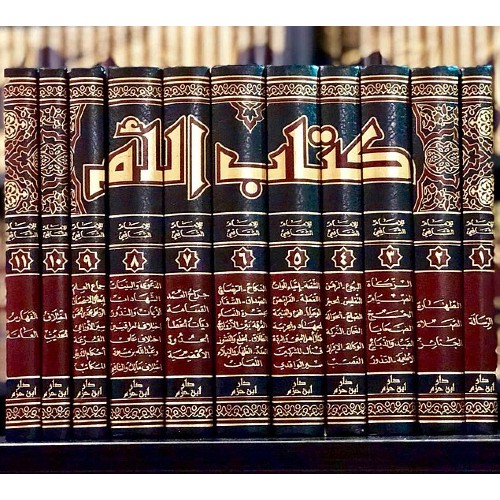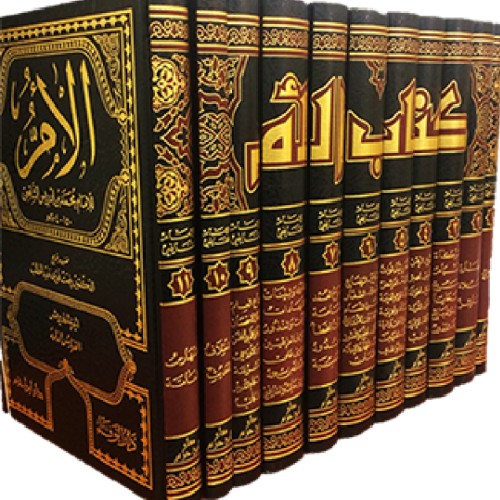
| Weight | 0.570 kg |
|---|---|
| Dimensions | 25 × 18 × 2 cm |
| Author | |
| Publisher | Dar Al Uthaymeen |
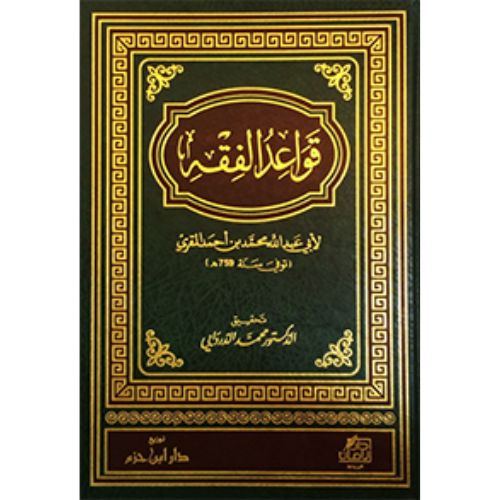
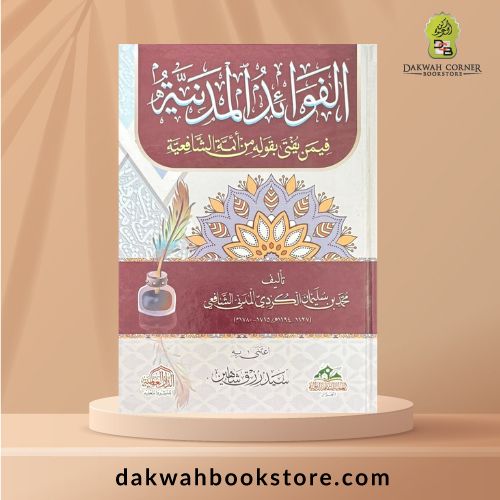
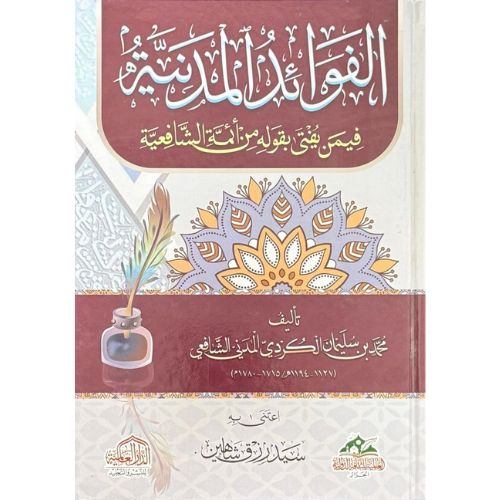
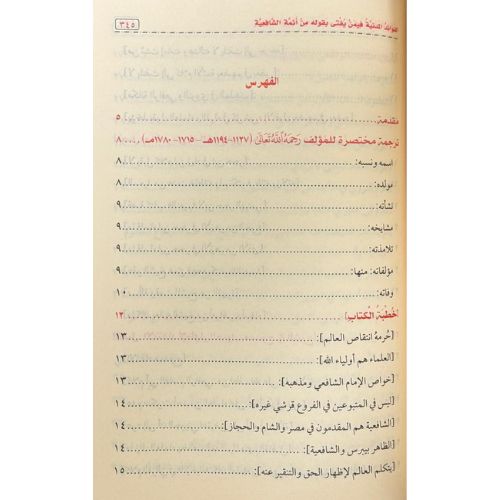
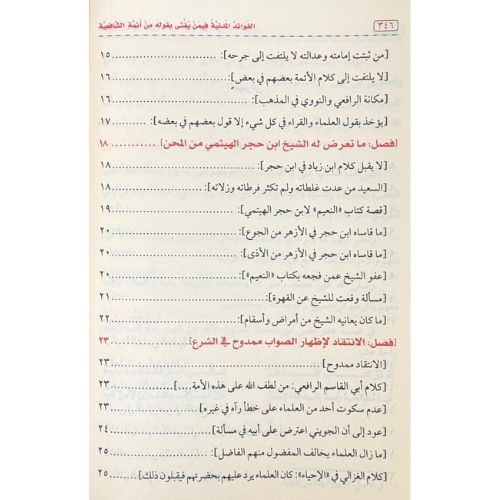
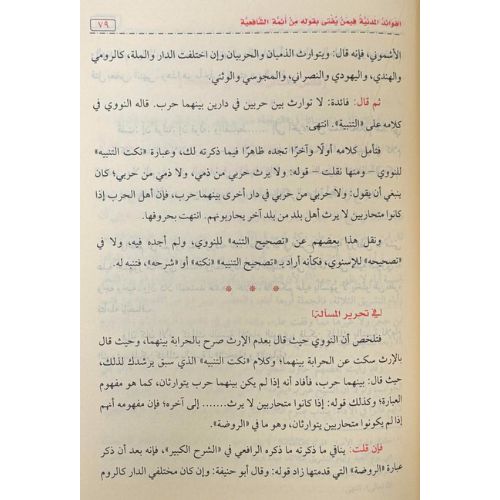
[ASJ] Al-Fawa’id al-Madaniyyah /الفوائد المدنية فيمن يفتي بقوله من أئمة الشافعية
RM25.00
الفوائد المدنية فيمن يفتي بقوله من ائمة الشافعية جديد
Frequently Bought Together
You may also like…
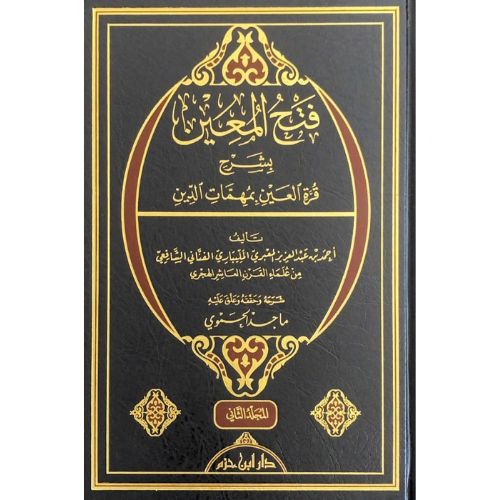
[ASJ] Fathul Mui’n Bi Sharh Qurratil Aini Bimuhimmati 2 Vol / فتح المعين بشرح قرة العين بمهمات الدين 2 مجلد
قرة العين مختصر في الفقه الإسلامي على المذهب الشافعي وهو من أهم كتب الفقه الشافعي. قام مصنفه العلامة المليباري الشافعي بشرح هذا الكتاب حيث جاء شرحا مفيدا يبين المراد ويتمم المفاد ويحصل المقاصد ويبرز الفوائد وأسماه فتح المعين بشرح قرة العين بمهمات الدين. نقدم لكم هذا الكتاب محققاً موثقاً بين أيديكم
Related Products
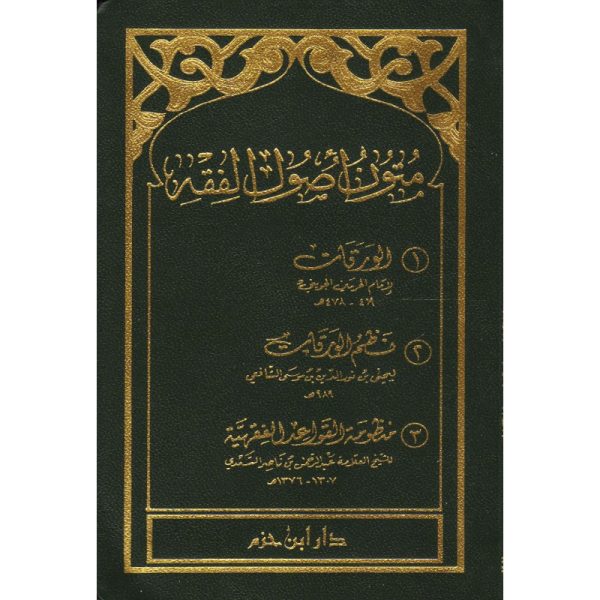
[SJ] Mutunun Usol Fiqh (متون أصول الفقه)
متون النحو (الآجرومية وملحة الإعراب ) لونان ـ شاموا ( 10×15 فلكسي )
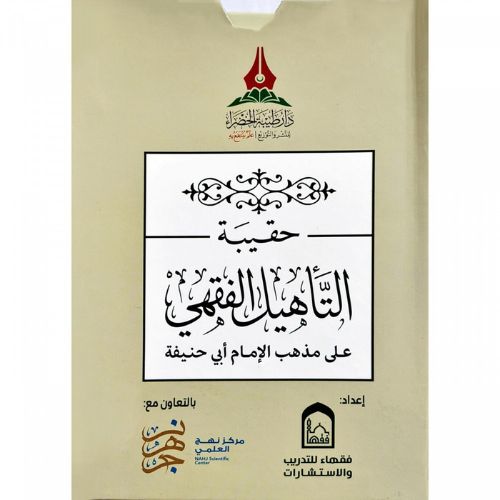
[SJ] Haqibah Al Ta’hil Al Mazhab Al Hanafi حقيبة التأهيل الفقهي المذهب الحنفي 1×5 ط ( 1 )
حقيبة التاهيل الفقهي على مذهب الامام ابي حنيفة 5/1
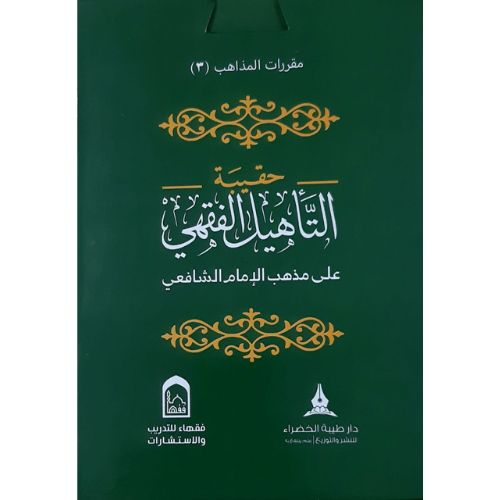
[SJ] Haqibah Al Ta’hil Al Mazhab As Syafie حقيبة التأهيل الفقهي المذهب الشافعي 1×4 ط ( 3 )
حقيبة التاهيل الفقهي على مذهب الامام الشافعي
تقريب مذهب الامام الشافعي للدارسين باسلوب جديد ومنهجية علمية محكمة.
كتاب تمارين مع كل مقرر لتثبيت المعلومة وتنمية الملكة.
عرض بوربوينت يسهل على المعلمين تقديم مضمون الحقيبة لطلابهم.
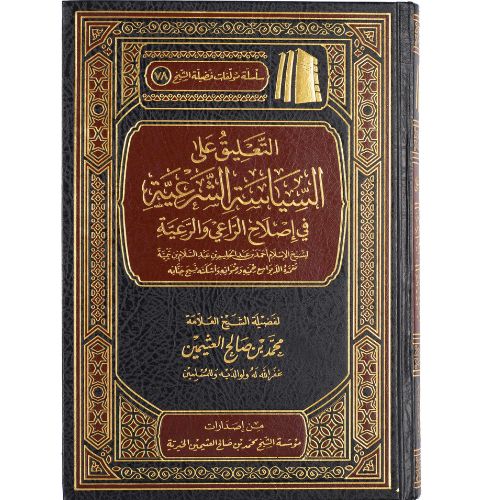
[SJ] Alt’aliq ‘Ala Alsiyasah Alshar’iah (التعليق على السياسة الشرعية)
تعليق وتفصيل ثري النّفع، وغزير الفائدة للشيخ ابن عثيمين رحمه الله على كتاب العلامة شيخ الإسلام ابن تيمية (السياسة الشرعية في أحوال الراعي والرعية)، والذي فيه منفعة للحكام في إدارة كافة شؤون الدولة في ظلّ الشرع، يتكلّم فيه عن اختيار الحاكم، وعن العدل والأمانات، وعن بعض الأحكام الشرعية وحدودها، ويخصّ حدّ الإعدام ويفصل فيه، والمعاملات وغيرها من الأمور.
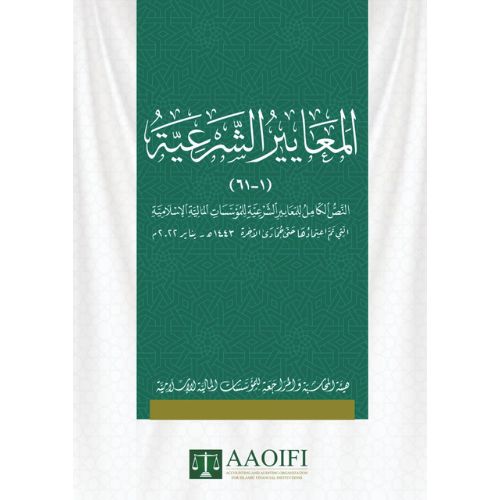
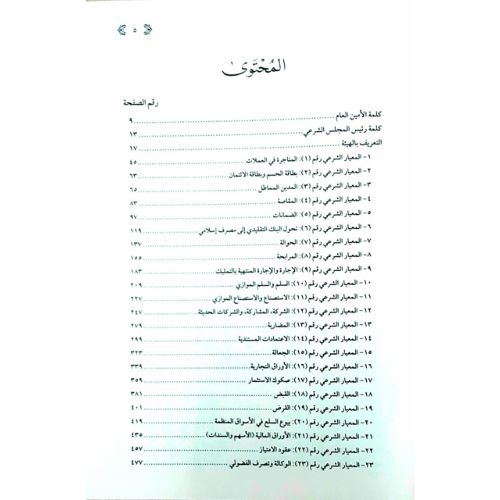
[AE] Al Maa’yir Ash Shari’ah (Shari’ah Standard) / المعايير الشرعية
من أهم ما أنتجه الاجتهاد الفقهي المعاصر في فقه المعاملات المالية، وقد عالجت محتوياته تفصيلاتِ جزءٍ كبيرٍ من عقود الصناعة المالية الإسلامية ومنتجاتها (بما تشتمل عليه من مصرفية، وتكافل، ومصرفية استثمارية، وأسواق المال ومنتجاتها، وتمويل، وغيرها).وقد جُع
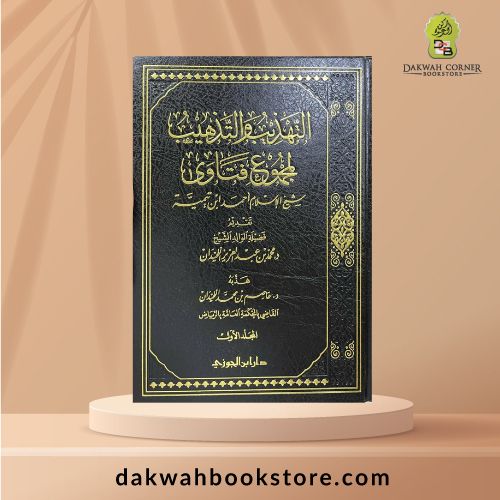
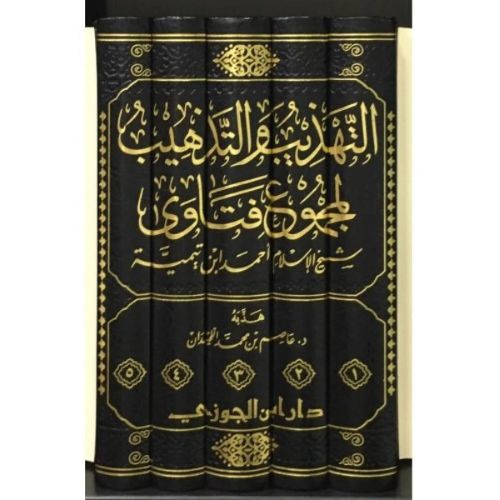
[SJ] Tahzib wa Tazhib li Majmu’ Fatawa 5v / التهذيب والتذهيب لمجموع فتاوى شيخ الإسلام ابن تيمية 1- 5
التهذيب والتذهيب لمجموع فتاوى شيخ الإسلام ابن تيمية
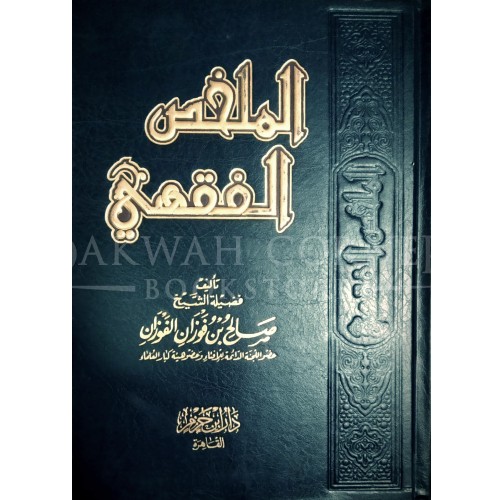
[SJ] A Summary Of Islamic Jurisprudence (الملخص الفقهي)
‘A Summary of Islamic Jurisprudence 1-2’ Dr. Saleh bin Fawzan al-Fawzan. This is an easy but important book which shows the shar’ia rulings and their evidences. It contains basic topics important to the Muslim, e.g. purification, prayer, zakah, fasting, pilgrimage, and shows other rulings e.g. trade transactions, partnership, sharecropping and renting, reclamation of wastelands and possession of allowable objects, inheritance, marriage, divorce…
Recently Viewed
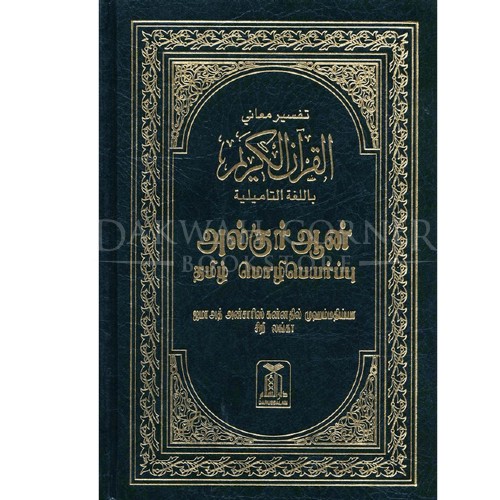
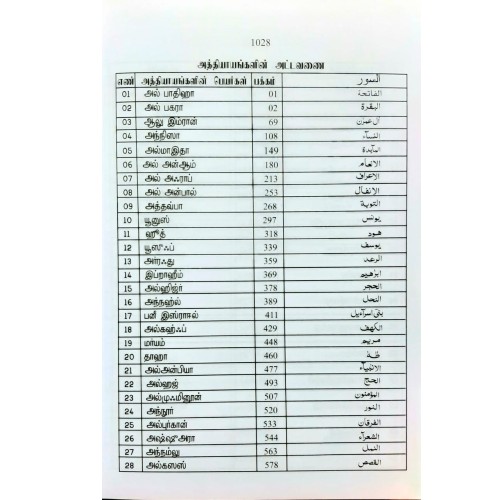
Qur’an Tamil Translation
Quran in Tamil Language ( Arabic To Tamil Translation)
The Noble Quran Translated into Tamil with Arabic script included.
The Middle Path of Moderration in Islam (H/B)
In The Middle Path of Moderation in Islam, leading Islamic law expert Mohammad Hashim Kamali examines the concept of wasatiyyah, or moderation, arguing that scholars, religious communities, and policy circles alike must have access to this governing principle that drives the silent majority of Muslims, rather than focusing on the extremist fringe. Kamari explores wasatiyyah in both historical/conceptual terms and in contemporary/practical terms. Tracing the definition and scope of the concept from the foundational sources of Islam, the Qu’ran and Hadith, he demonstrates that wasatiyyah has a long and well-developed history in Islamic law and applies the concept to contemporary issues of global policy, such as justice, women’s rights, environmental and financial balance, and globalization.
Framing his work as an open dialogue against a now-decades long formulation of the arguably destructive Huntingtonian “clash of civilizations” thesis as well as the public rhetoric of fear of Muslim extremism since the attacks of September 11, 2001, Kamali connects historical conceptions of wasatiyyah to the themes of state and international law, governance, and cultural maladies in the Muslim world and beyond. Both a descriptive and prescriptive meditation on a key but often neglected principle of Islam, The Middle Path of Moderation in Islam provides insight into an idea that is in the strategic interest of the West both to show and practice for themselves and to recognize in Muslim countries.
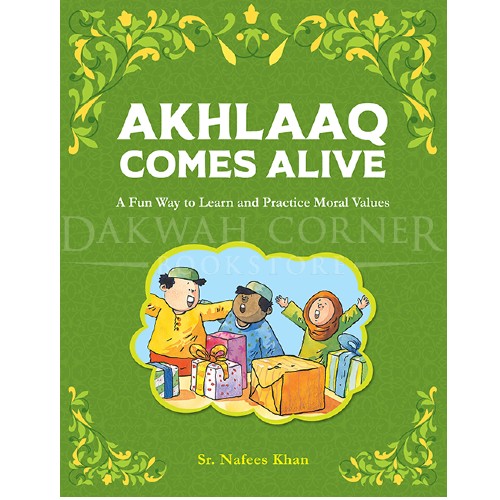
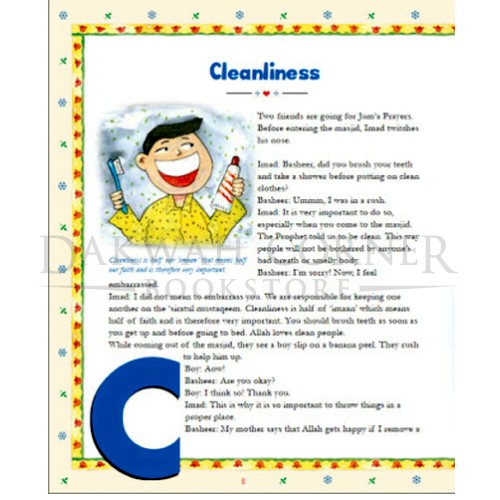
Akhlaaq Comes Alive (P/B)
Often elders find it difficult to find a fun way to teach children akhlaaq, that is, moral values and good manners in Islam. All About Akhlaaq, being a fun book, will aid them in this. Designed for use at home and school, it covers a wide range of moral issues and the occasions in daily life when good manners are essential. Colourful and story-filled, with an easy-to-use format and short skits, it will give a better understanding of each akhlaaq by encouraging children, parents and teachers to engage in role playing. Each theme, listed alphabetically, is expressed in simple language and has attractive illustrations on every page. What better way to learn akhlaaq than by acting it out! So, be active and practice akhlaaq!
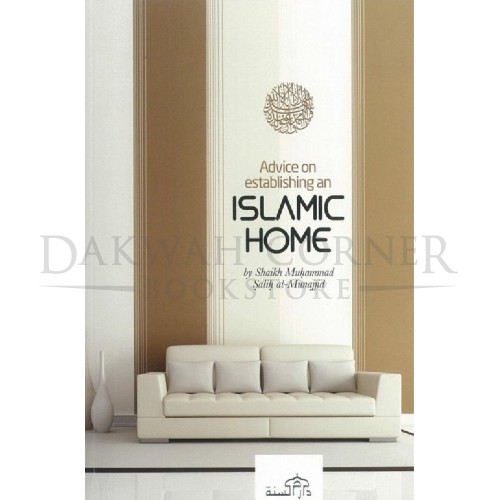
Advice on Establishing an Islamic Home
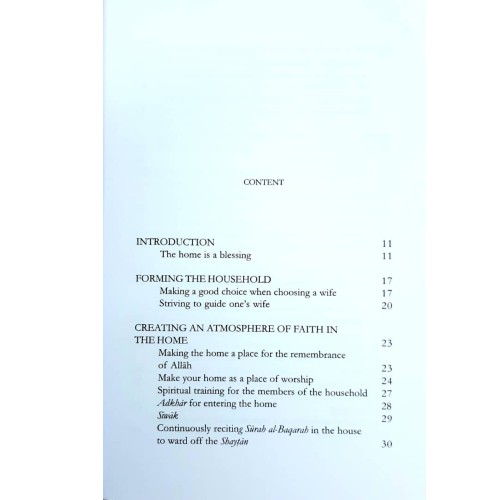
An excellent book discussing the foundation of an Islämic household. The author addresses issues that are relevant to the majority of Muslim households, such as the importance of choosing a righteous spouse, making your home a place for the remembrance of Alläh, spreading kindness in the home, teaching good manners, discussing some of the evils present in the home, learning the Islämic rulings with regard to how a Muslim home should be, creating an atmosphere of faith, resisting bad manners, choosing a good location and design, how to discipline children which may be more effective than physical punishment and the books that one should read and much more.
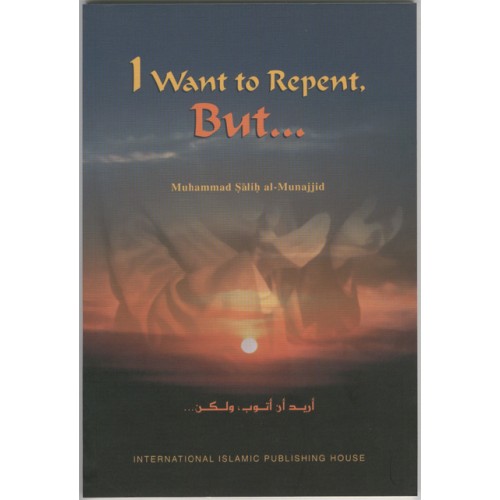
I Want to Repent, But…
One might say, “I want to repent, but who can guarantee that Allah will forgive me if I do so? I want to follow the Straight Path, but I feel very hesitant. If I know for sure that Allah would forgive me, I would definitely repent.” Shaykh Muhammad Sâlih al-Munajjid, may Allah reward him, gives a clear-cut response to such doubts and questions in this booklet. In order that the response reassures everybody concerned, it is based on the Noble Qur’an and the honourable Sunnah, quoting many verses and hadiths confirming that Allah’s mercy and forgiveness embrace all creation and are greater than any and all sins. The Shaykh then goes on to explain the preconditions and necessary steps for achieving true repentance, at which Allah is just waiting to forgive any of His penitent servants.
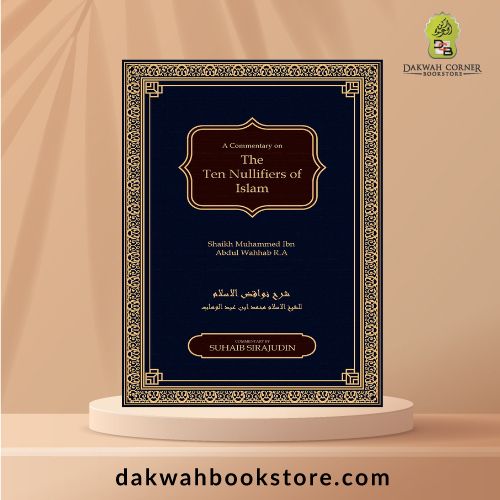
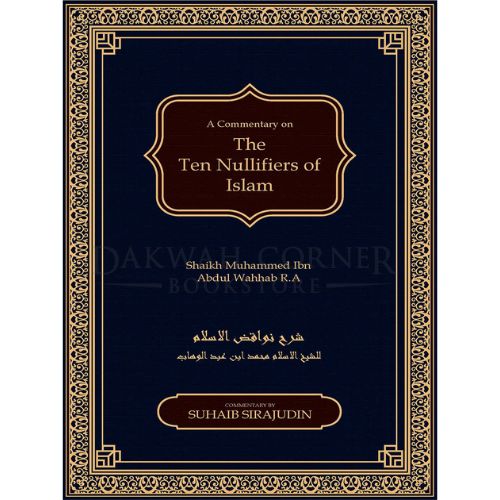
A Commentary on The Ten Nullifiers of Islam
This is a commentary on the book of Shaikh Muhammed ibn Abdul Wahhab’s Nawaqid Al Islam (The Ten Nullifiers of Islam). It deals with the ten acts that could nullify one’s Islam.
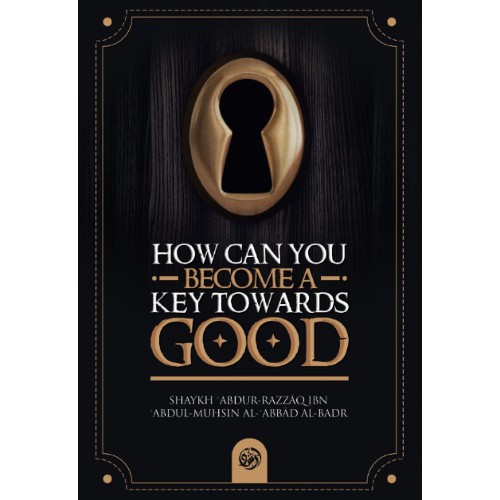
How Can You Become A Key Towards Good
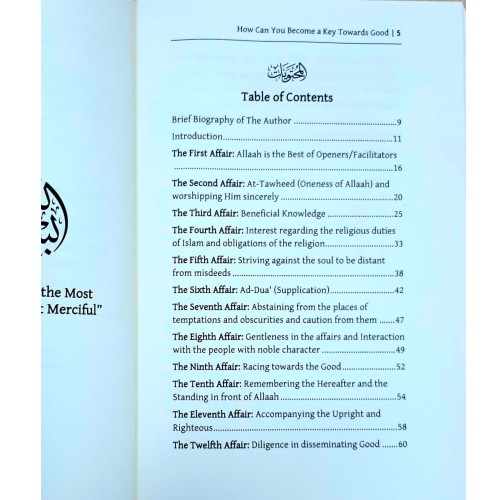
Shaykh Abdur-Razzaq Bin Abdil-Muhsin al-Badr illustrates how one can be a key towards good by giving 16 points on this matter. A must-read book; very beneficial!!! Covers areas such as Tawheed and worship, Supplication and Dua, Beneficial Knowledge, The doors of good being ceaseless, and much much more! 82 pages (6×9 perfect binding).
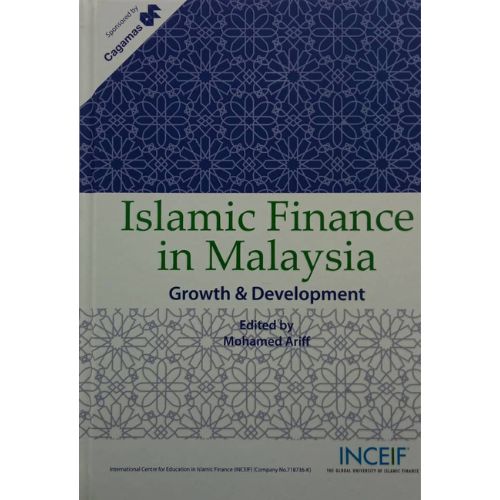
Islamic Finance in Malaysia: Growth & Development
This modern history of Islamic finance is pretty short spanning a period of roughly five decades, compared to conventional finance which goes back to more than four centuries earlier. Islamic finance has spread rapidly across the globe, reminiscent of Lao-Tzu’s famous saying “A journey of a thousand miles begins with a single step”. Malaysia, a pioneer in the development of the Islamic finance industry, has emerged as one of the major hubs for global Islamic finance.
The Sources of the Qur’an
“Who is the author of the Qur’an?” On this subject scholars have flagrantly contradicted each other. This work attempts to make a critical review of the major ‘authorship’ theories by pressing into service logical arguments, historical evidence, textual analysis and scientific data. Probably, the only point of agreement about the Qur’an is that it was uttered for the first time by a man who was born in Makkah (Mecca), a city of Arabia, in the sixth century—a man by the name of Muhammad (blessings and peace be upon him). As to the source of the Qur’an, scholars are divided into three main groups: those who believe that Muhammad (blessings and peace be upon him) himself was the author; those who believe that he was not the author himself but learned it from another human author or authors; and those who believe that the Qur’an has no human author but is rather a word-for-word revelation from God. Hamza Njozi examines the three theories and comes to a firm and logical conclusion.


Tafsir Ibn Abbas (2 volume set) – Maktaba Islamia