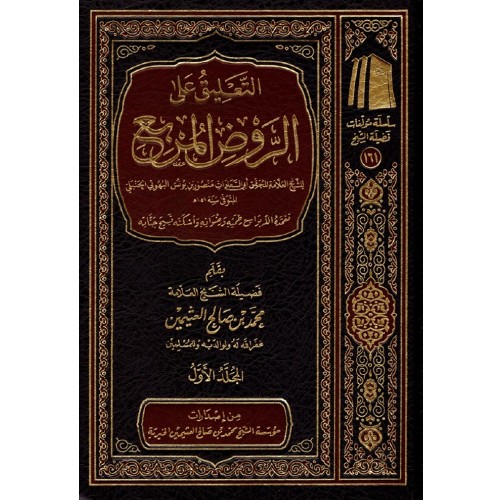
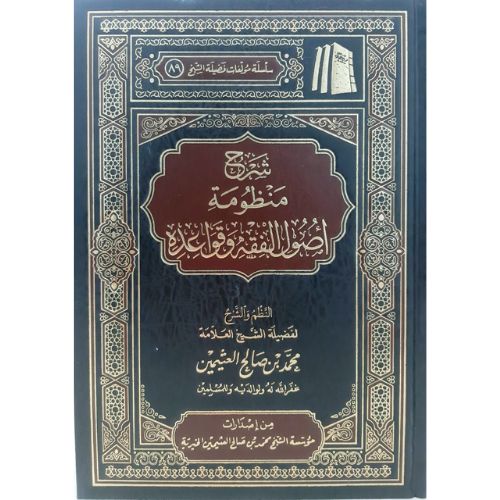
| Weight | 0.570 kg |
|---|---|
| Dimensions | 25 × 18 × 2 cm |
| Author | |
| Publisher | Dar Al Uthaymeen |
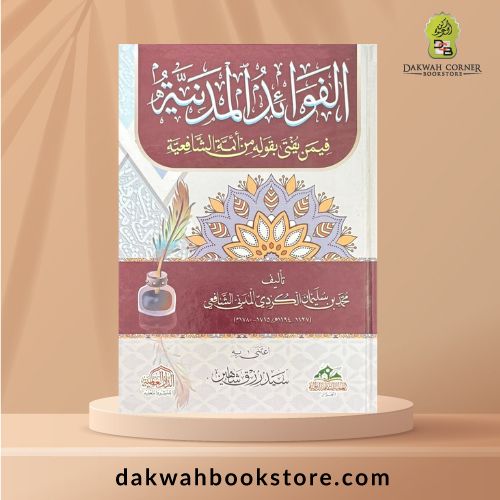
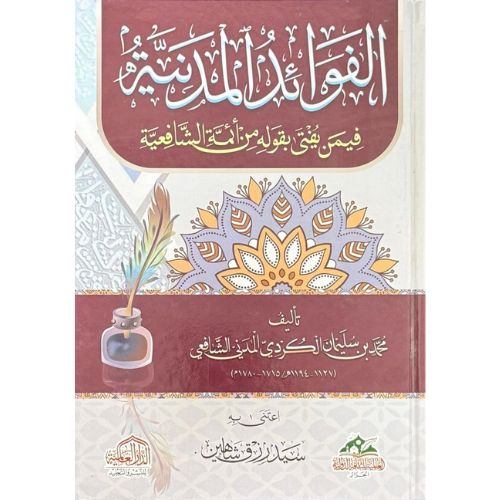
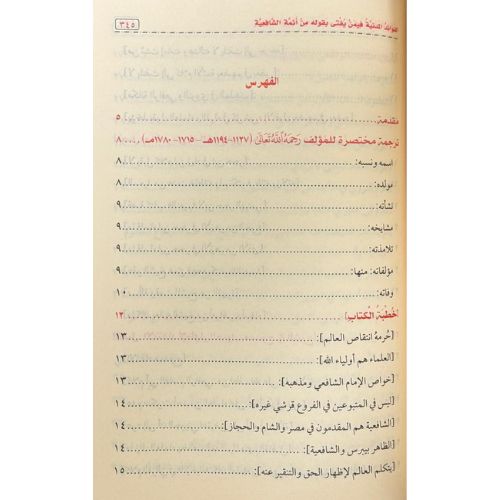
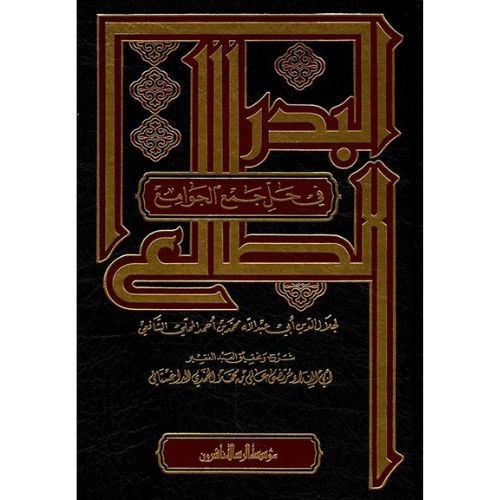
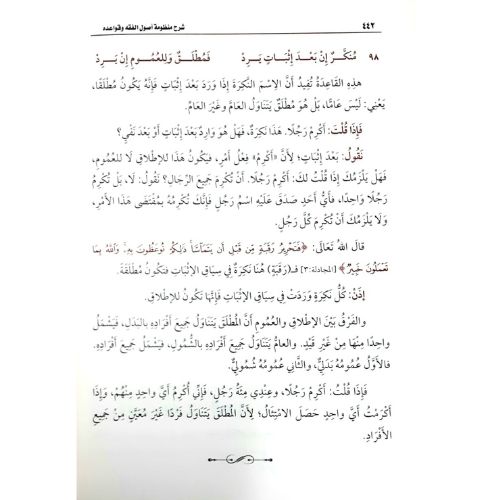
[ASJ] Al-Fawa’id al-Madaniyyah /الفوائد المدنية فيمن يفتي بقوله من أئمة الشافعية
RM25.00
الفوائد المدنية فيمن يفتي بقوله من ائمة الشافعية جديد
Frequently Bought Together
You may also like…
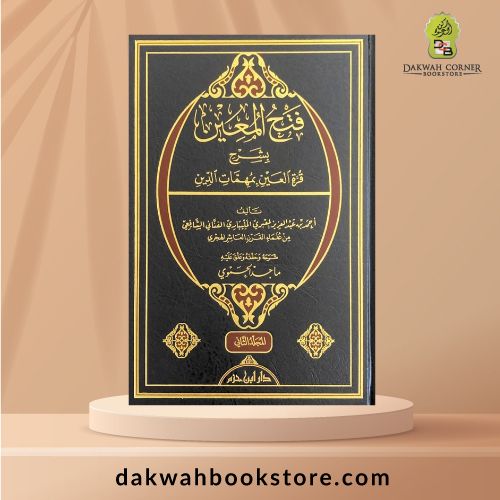
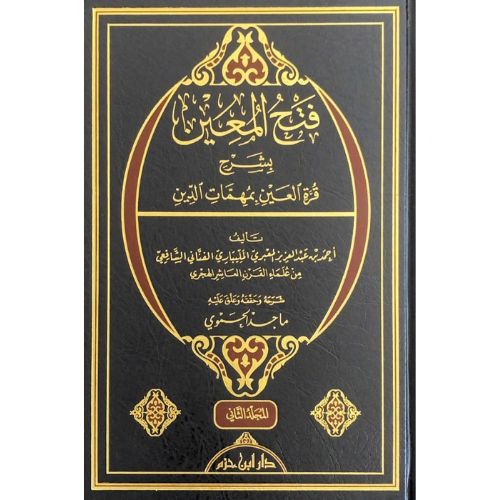
[ASJ] Fathul Mui’n Bi Sharh Qurratil Aini Bimuhimmati 2 Vol / فتح المعين بشرح قرة العين بمهمات الدين 2 مجلد
قرة العين مختصر في الفقه الإسلامي على المذهب الشافعي وهو من أهم كتب الفقه الشافعي. قام مصنفه العلامة المليباري الشافعي بشرح هذا الكتاب حيث جاء شرحا مفيدا يبين المراد ويتمم المفاد ويحصل المقاصد ويبرز الفوائد وأسماه فتح المعين بشرح قرة العين بمهمات الدين. نقدم لكم هذا الكتاب محققاً موثقاً بين أيديكم
Related Products
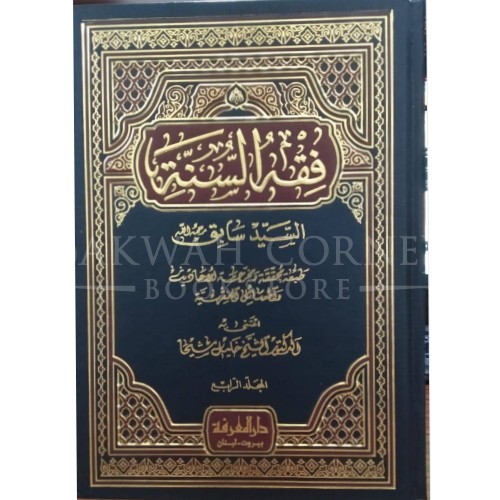
[SJ] Fiqh al-Sunnah by Sayyid Sabiq (4 Vols) / فقه السنة لسيد سابق
The famous book of Fiqh by Shaykh Sayyed Saabiq, clear and simple, accented with many daleel, in three volumes.
We advise you to read and accompanied by extensive notes and detailed corrections of Sheikh al-Albani with his book al-Tamaam Minnah, sold on the site.
Shaykh Al-Albani has praised this book : “Certainly, the book Fiqhus-Sunnah of Shaykh Sayid Saabiq is among the finest books written in his field, I met by chance by its excellent organization, clear writing style and lack of complex expressions found in many books of Fiqh … “(Tamam al-Minna, p.10)
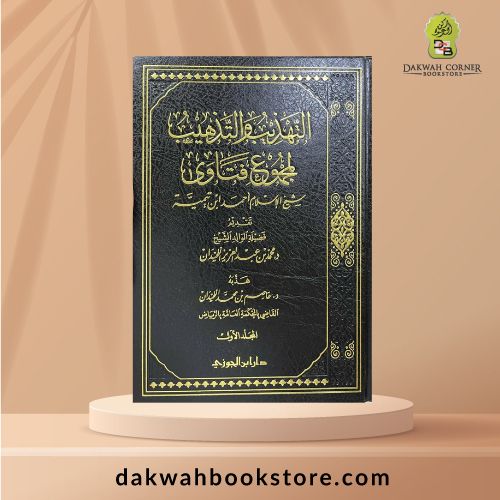
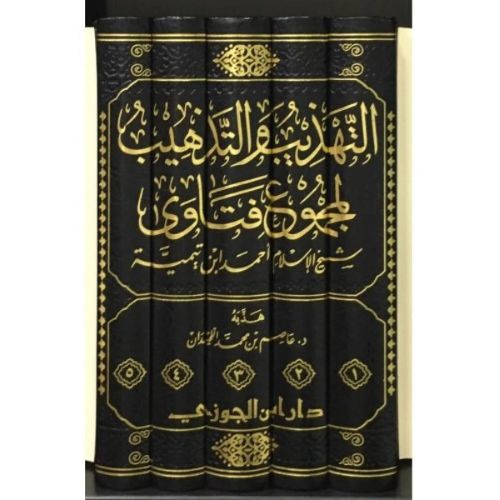
[SJ] Tahzib wa Tazhib li Majmu’ Fatawa 5v / التهذيب والتذهيب لمجموع فتاوى شيخ الإسلام ابن تيمية 1- 5
التهذيب والتذهيب لمجموع فتاوى شيخ الإسلام ابن تيمية
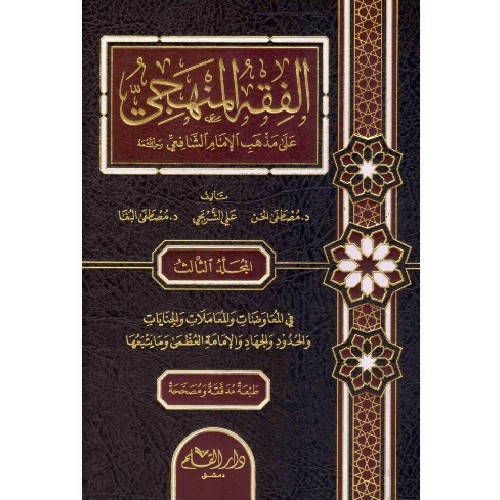
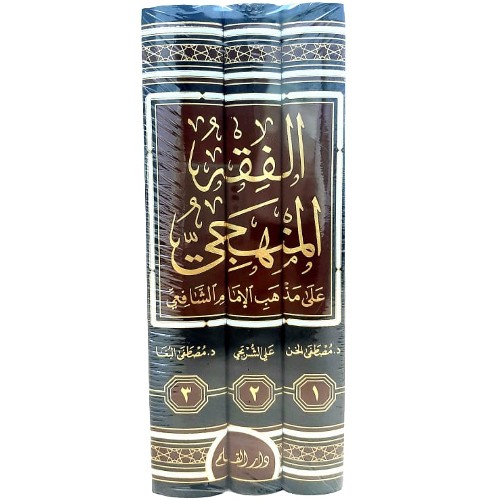
[SJ] Al-Fiqh al-manhaji al-Qalam (3 Vols) (الفقه المنهجي – القلم (طبعة فاخرة))
الفقه المنهجي 3/1 – القلم
أحد المذاهب الفقهيّة السنيّة الكبرى المنتشرة في العالم الإسلاميّ، وسمّي بهذا الاسم نسبة إلى الإمام الشافعيّ رحمه الله تعالى؛
والمنهج الشافعيّ ينزع إلى تشكيل نسق منسجم مع نفسه، من خلال عدم رفض أيّ حديث صحيح،
والتأكيد على وضوح قواعد التخريج، والبعد عن التناقض الداخليّ، ومحاولة رسم بناء
متكامل تأخذ فيه جميع النصوص مواقعها وتأثيراتها النسبيّة.
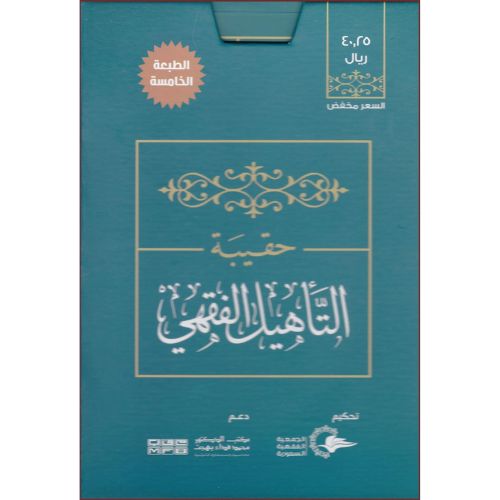
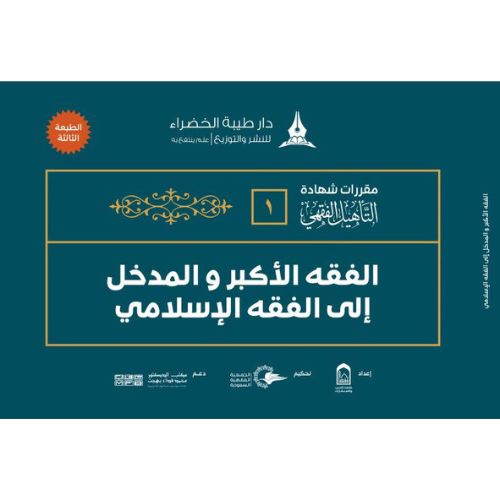
[SJ] Haqibah Al Ta’hil Al Mazhab Al Hanbali حقيبة التأهيل الفقهي المذهب الحنبلي 1×4
حقيبة التأهيل الفقهي على مذهب الإمام أحمد, تتكون هذه الحقيبة من أربعة كتب
الأول: الفقه الأكبر و المدخل إلى الفقه الإسلامي
الثاني: فقه العبادات
الثالث: فقه المعاملات و الأسرة و الجنايات
الرابع: القواعد الفقهية و أصول الفقه
إعداد: مكتب فقهاء للدكتورعامر بهجت
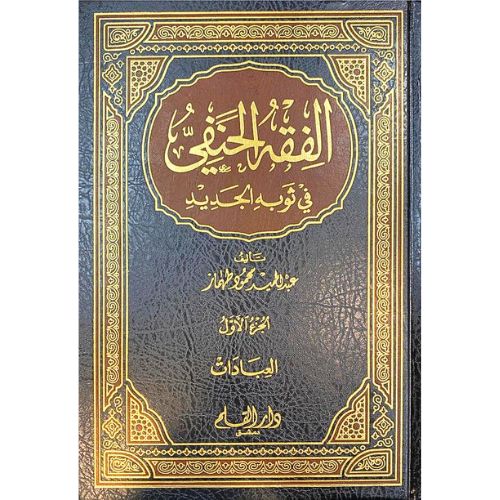
[SJ] Al Fiqh Al Hanafi Fi Thawbah Al Jadid 5 Vol. / (الفقه الحنفي في ثوبه الجديد ١/٥)
الفقه الحنفي في ثوبه الجديد – عبد الحميد محمود طهماز
كتاب بعنوان الفقه الحنفي في ثوبه الجديد, قام المؤلف بتقديم صياغة جديدة و ميسرة للأحكام الشرعية على مذهب الإمام أبي حنيفة مع ذكر الدليل من الكتاب و السنة
المجلد الأول: العبادات من الطهارة إلى الحج
المجلد الثاني: الأحوال الشخصية: النكاح و الطلاق و الرضاع و المواريث والالتزامات و التبرعات: الأيمان و النذور, إلخ
المجلد الثالث: أحكام نظام الحكم: الجهاد و القضاء و العقوبات
المجلد الرابع: أحكام المعاملات: البيوع و مسائل البيوع
المجلد الخامس: أبواب فقهية متعددة المواضيع: الأطعمة و الأشربة و الذبائح, إلخ
طبعة جميلة في خمسة مجلدات
Recently Viewed
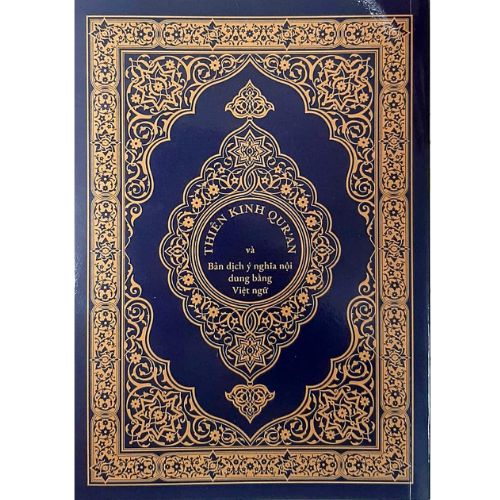
Quran Translation Vietnamese
The Noble Quran in Vietnamese Language (Arabic Text with Vietnamese Translation)
The Relief From Distress : An Explanation to the dua of Prophet Yunus (P/B)
Shaykh al-Islam Ibn Taymiyyah, may Allah sanctify his soul, was asked about the saying of the Prophet (pbuh),
The invocation of my brother Yunus, “none has the right to be worshipped save You; glory be to You, far removed are You from any imperfection; I have been amongst the wrong-doers,” none who is experiencing difficulty employs it except that Allah would relieve him of his difficulty.
What is the meaning of this du’a (prayer, supplication)?
Are their any unstated conditions that have to be met when one articulates it?
What is the connection between belief in the heart and the meaning of this supplication such that it leads to the removal of difficulty?
Why did he explicitly confess, ‘I have been amongst the wrong-doers’ when it is known that tawhid in itself leads to the removal of difficulty?
Is it sufficient to acknowledge ones’ sin alone, or must this be accompanied by repentance and the firm resolve not to repeat that sin in the future?
Why is it that difficulty and harm is removed only when a person relinquishes any hope, reliance and dependency upon the creation?
How can the heart relinquish the characteristic of putting hope in the creation and depending on them, and instead put its hope in Allah, Exalted is He, and turn to Him in its entirety?
What are the methods that would aid the heart in doing this?
The author replies to these questions in the form of this book.