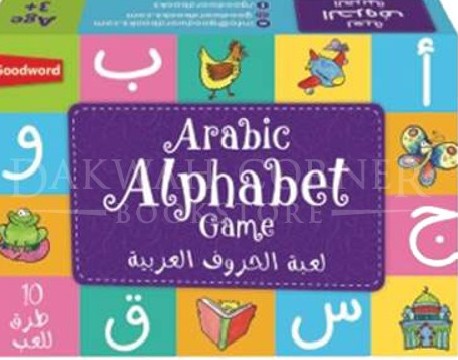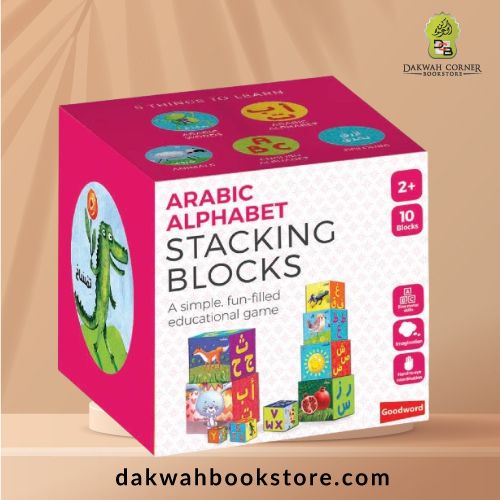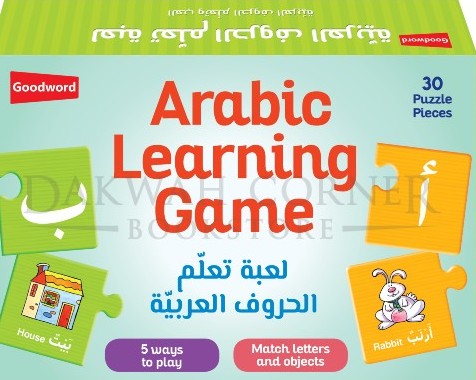
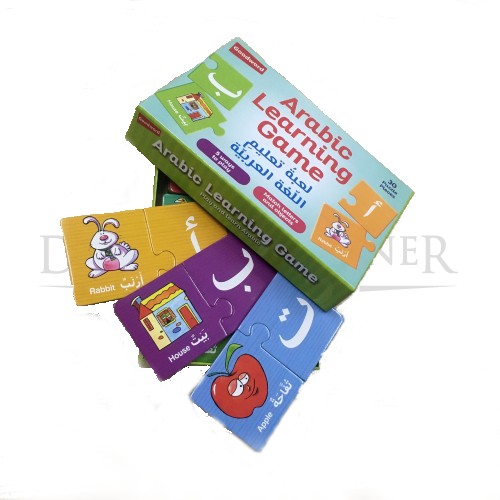
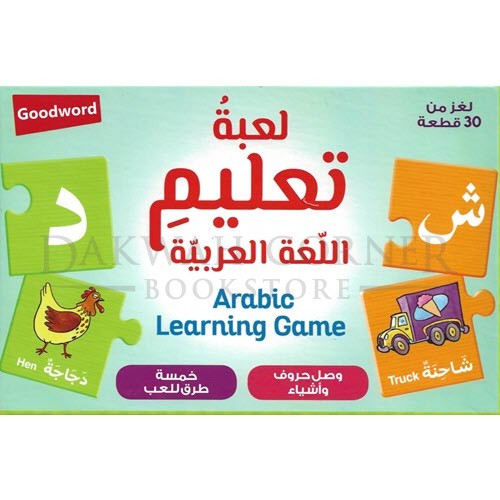
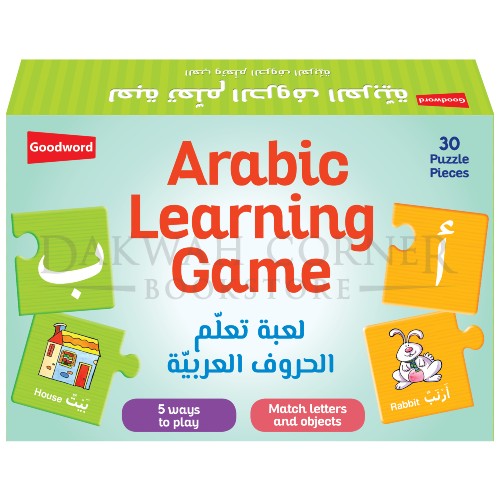
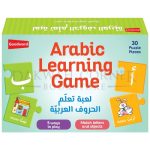
Play and learn Arabic.
Learn to pronounce letters from A to Z.
Five ways to play.
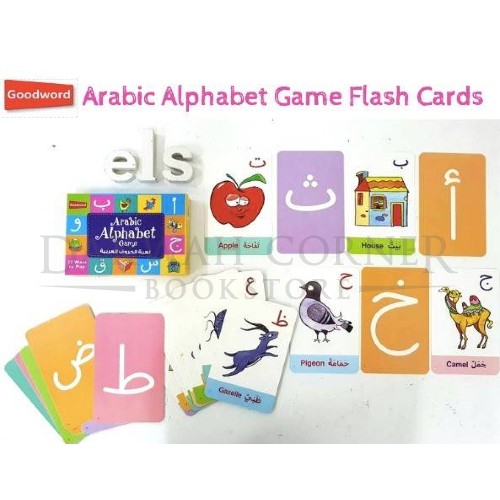
Puzzles – learning cards appear.
Picture, letter, and word in Arabic and English.
Learning objectives: match letters, pictures, shapes, and sounds.
[GM] Arabic Learning Game
$8.64
Enjoy the Arabic letters. Enhance the skills of recognizing letters, shapes, and sounds.
| Weight | 0.6 kg |
|---|---|
| Dimensions | 13 × 19 × 4 cm |
| ISBN | 9789351791287 |
| Publisher | Goodword |
Be the first to review “[GM] Arabic Learning Game” Cancel reply
You must be logged in to post a review.
Related Products
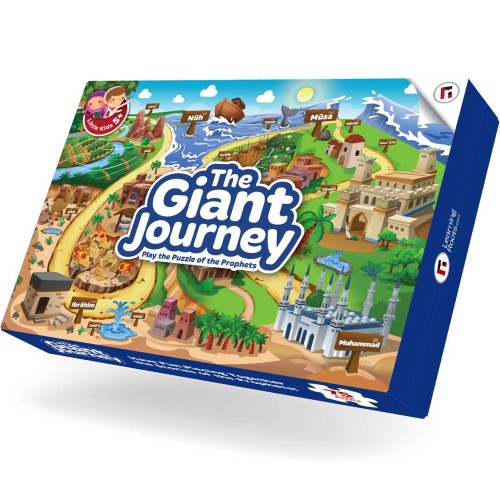
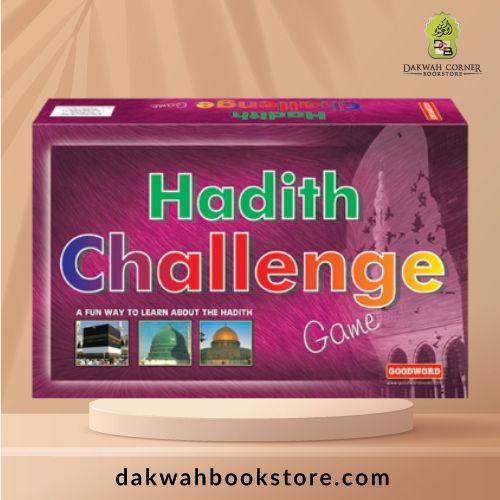
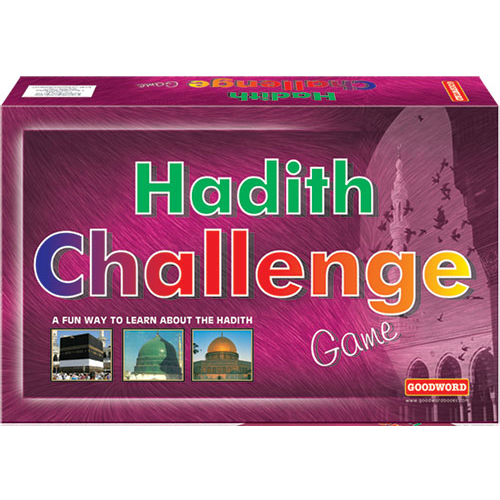
Hadith Challenge Game
The Hadith Challenge Game is a unique game based on sayings of the Prophet Muhammad. The idea behind this game is to provide the children with both fun and education. All questions are based on the authentic sayings of the Prophet Muhammad. They have been creatively worked into this game and children will enjoy answering them. This game can be played at school or at home with all the family members. Begin your journey and find out what fun it is to learn from the Hadith.
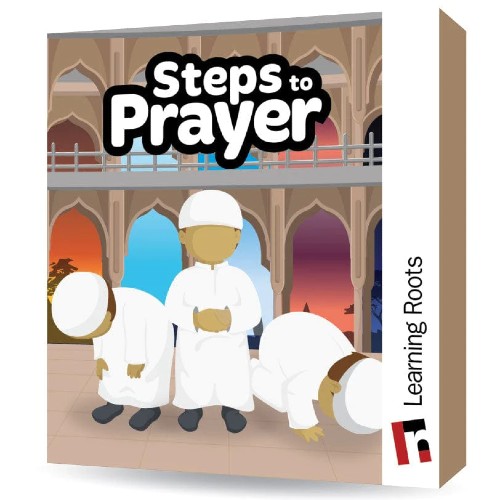
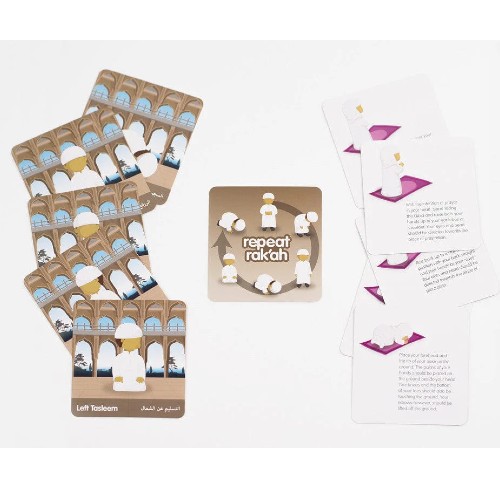
Steps to Prayer by Learning Roots
Teach Your Child How to Pray, Step by Step
Are you looking for a fun and effective way to teach your child how to pray?
With the Steps to Prayer (formerly known as ‘What’s Next?‘), you can teach your child how to perform the Salah in an engaging and comprehensive way. Here’s how:
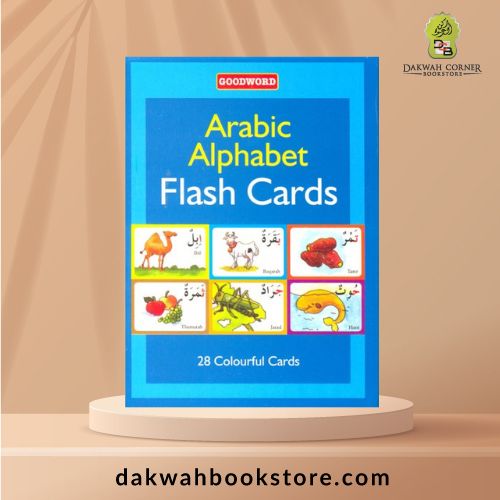
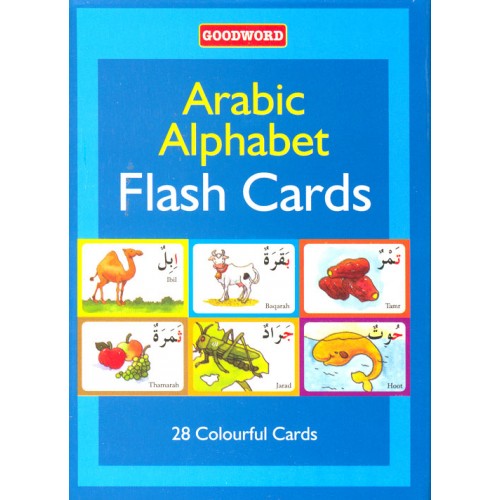
Arabic Alphabet Flash Cards (28 Colourful Cards)
Children have a tremendous capacity for expanding their knowledge, especially during their first six years. That’s when they are most eager to learn new things, and learning and playing with flash cards is an excellent way to satisfy their natural curiosity. Arabic Alphabet Flash Cards have many special features that improve on the traditional flash card, so you can take full advantage of your child’s instinctive leaning abilities.
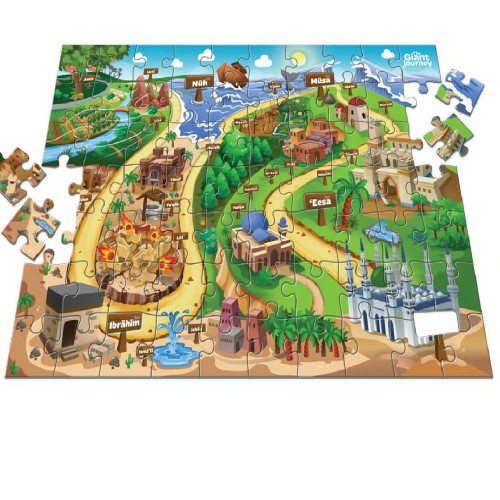
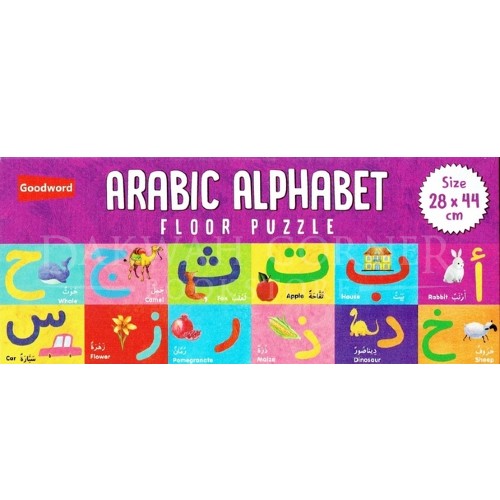
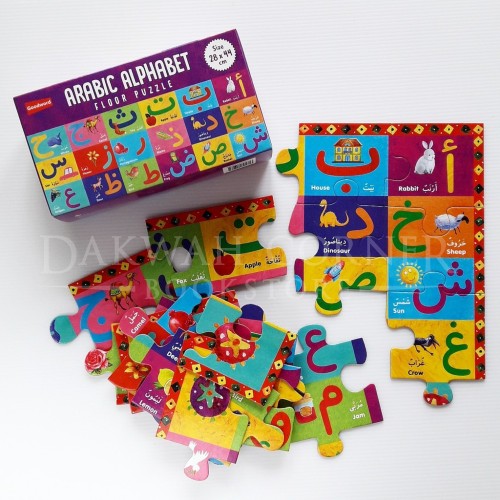
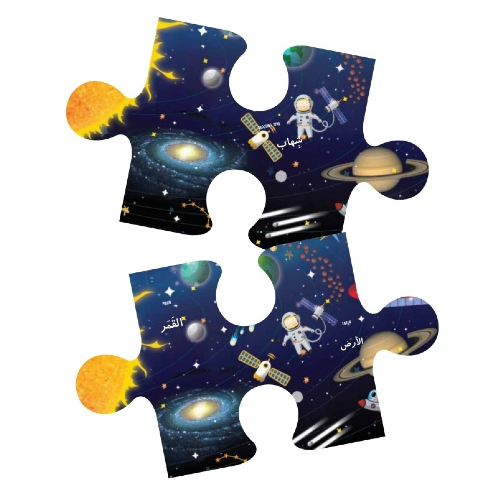
[GM] Arabic Alphabet Floor Puzzle (28cm x 44cm)
- 20 extra-thick cardboard pieces to piece together to explore the space
- Beautiful and child-friendly artwork
- Easy-Clean surface keeps the puzzle pieces looking new
- Promotes hand-eye coordination and problem-solving skill
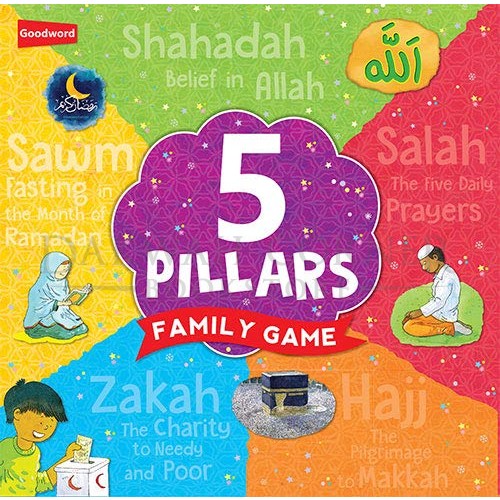
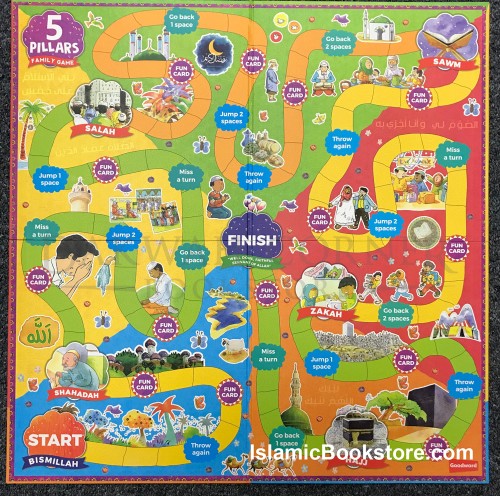
5 Pillars Family Board Game by Goodword (Ages 8+)
The Salat Knowledge Game is suitable for 2 to 4 players aged three and above. In this game of slides and ladders, you spin the wheel and race to the finish before your friend reaches there. Along the way you learn the meaning and message of salat, that is, the five daily prayers. If you miss a prayer, you go down through the slippery slide, but if you offer it on time and with care, you climb up the ladder. And that is not all. There are chances to win a Salat Card too. Answer the question given on the card correctly and increase your knowledge about the five daily prayers. In this way, you don’t just try to run for the finish line, but learn all about salat as well. Isn’t this a fun way to play and learn!
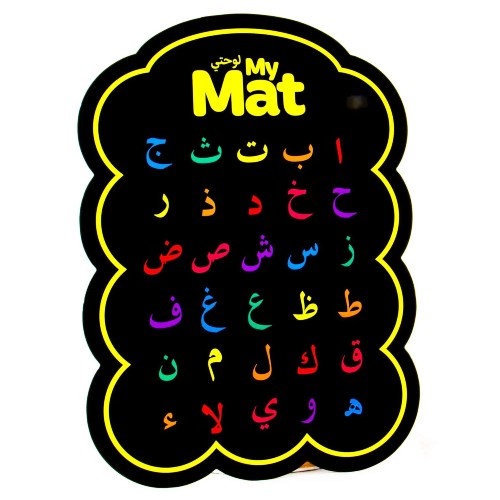
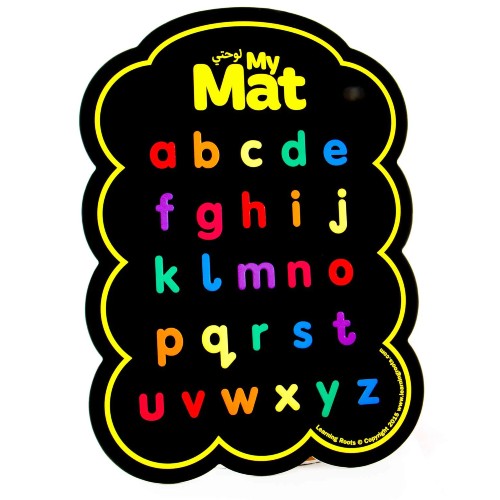
My Mat (Lite) by Learning Roots
With My Mat, you can teach your child both the English and Arabic alphabet in the simplest way whilst also having an enjoyable time with your child. Here’s how:
My Mat Lite works with Kiitab (sold separately) which reads the letters out, plays games and sings alphabet songs for your child to get the most out of the experience.
[GM] Arabic Alphabet Game
28 double-sided cards help to teach both the alphabet and words!
Recently Viewed
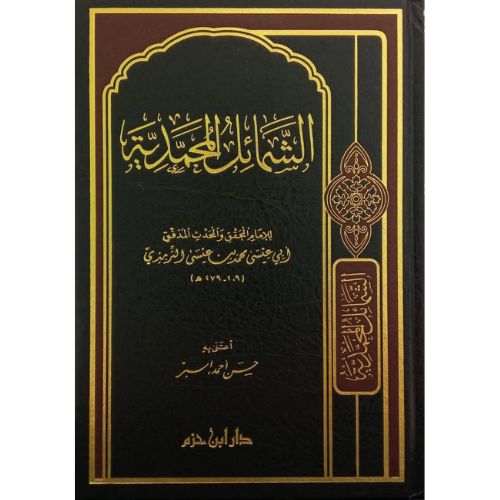
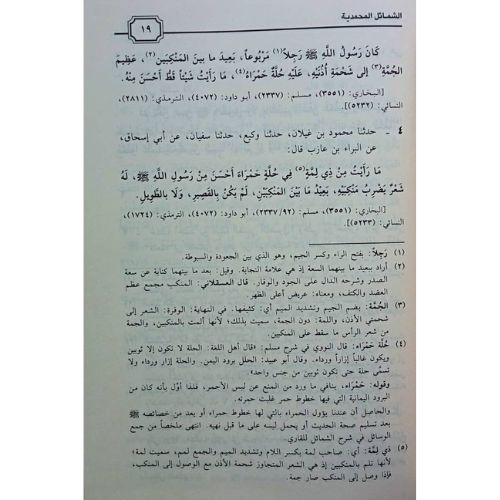
[SB] Ash-Shama’il al-Muhammadiyyah / الشمائل المحمدية
الشرح الميسر على ألفية ابن مالك في النحو والصرف – د. عبد العزيز بن علي الحربي
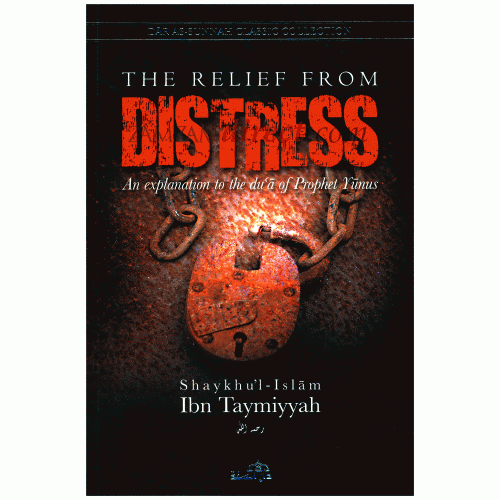
The Relief From Distress : An Explanation to the dua of Prophet Yunus (P/B)
Shaykh al-Islam Ibn Taymiyyah, may Allah sanctify his soul, was asked about the saying of the Prophet (pbuh),
The invocation of my brother Yunus, “none has the right to be worshipped save You; glory be to You, far removed are You from any imperfection; I have been amongst the wrong-doers,” none who is experiencing difficulty employs it except that Allah would relieve him of his difficulty.
What is the meaning of this du’a (prayer, supplication)?
Are their any unstated conditions that have to be met when one articulates it?
What is the connection between belief in the heart and the meaning of this supplication such that it leads to the removal of difficulty?
Why did he explicitly confess, ‘I have been amongst the wrong-doers’ when it is known that tawhid in itself leads to the removal of difficulty?
Is it sufficient to acknowledge ones’ sin alone, or must this be accompanied by repentance and the firm resolve not to repeat that sin in the future?
Why is it that difficulty and harm is removed only when a person relinquishes any hope, reliance and dependency upon the creation?
How can the heart relinquish the characteristic of putting hope in the creation and depending on them, and instead put its hope in Allah, Exalted is He, and turn to Him in its entirety?
What are the methods that would aid the heart in doing this?
The author replies to these questions in the form of this book.


There are no reviews yet.