

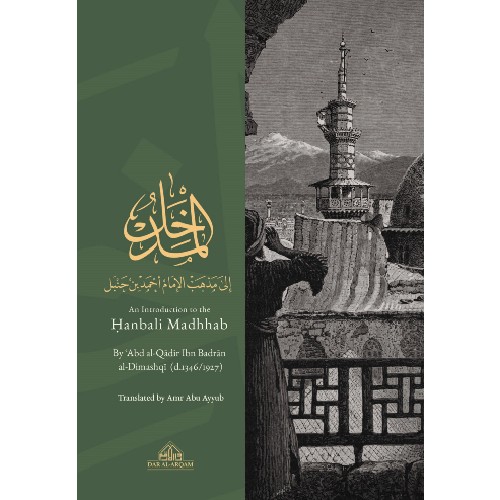
A complete translation of Ibn Badran’s masterpiece, al-Madkhal ila Madhhab al-Imam Ahmad ibn Hanbal.
Ibn Taymiyyah said about al-Imam Ahmad, “He was the virtuous imam, and the complete leader with whom Allah clarified the truth, rejected falsehoods, clarified the correct methodology and repudiated the innovations of innovators, the heresies of heretics, and the doubts of the doubtful.” [Bayan Talbis al-Jahmiyyah (3/312)]
Al-Subki said, “He was the virtuous imam and the leader of a way of thought. He was patient during the midst of his inquisition. He was the teacher and exemplar of Ahl al-Sunnah.” [Tabagāt al-Shafi’iyyah al-Kubra (2/27)]
Al-Shafi’i said of him, “Aḥmad is an imam in eight characteristics: He is an imam in ḥadīth, an imam in jurisprudence, an imam in language, an imam in Qur’an, an imam in poverty, an imam in asceticism, an imam in abstinence, and an imam in Sunnah.” [Tabagāt al-Ḥanabilah of Ibn Abi Ya’la (1/5)]




























Tafseer Soorah Al-Hujurat (H/B)
Tafseer Soorah al-Hujurât: A Commentary on the 49th Chapter of the Qur’an is a treasury of divine advice, commandments, and prohibitions regarding common problems in social relations, including gossip, spying, arguing, and bigotry. To make the best use of this chapter, the believer needs a detailed explanation of the meanings of the verses.
Dr. Bilal Philips has based his tafseer (exegesis) on the methodology used in the classical works of tafseer. He has relied first of all on the explanations found within the Qur’an itself, then on explanations found in the Sunnah and related incidents which occurred at the time of the revelation of the verses in question. Beyond these primary sources, Dr. Philips has relied on the interpretations made by the Prophet’s Companions (may Allah be pleased with them) who were noted for their ability to interpret and comment on the Qur’an. ‘Abdullâh ibn ‘Abbâs, for example, was called ‘The interpreter of the Qur’an’ by Prophet Muhammad (blessings and peace of Allah be upon him). Finally, the author has made use of the grammatical explanations given in the classical tafseer works. Wherever possible, Dr. Philips has tried to apply the derived meanings of the verses to the problems of contemporary society.
RM60.00