| Weight | 0.7 kg |
|---|---|
| Dimensions | 25 × 18 × 2 cm |
| Author | |
| Binding | Hardcover |
| ISBN | 9789959858832 |
| Publisher | Dar Ibn Hazm |
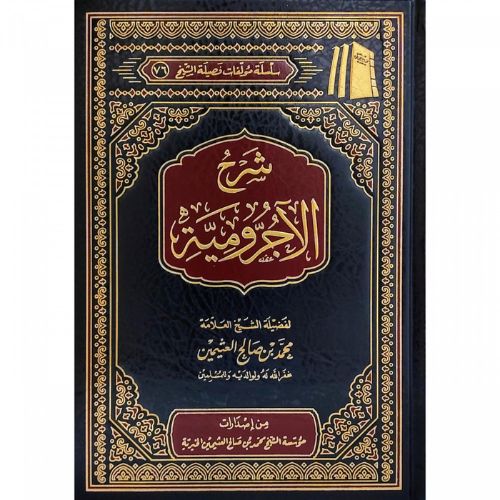
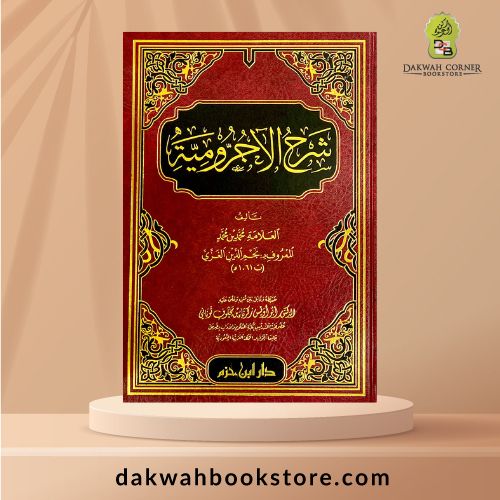
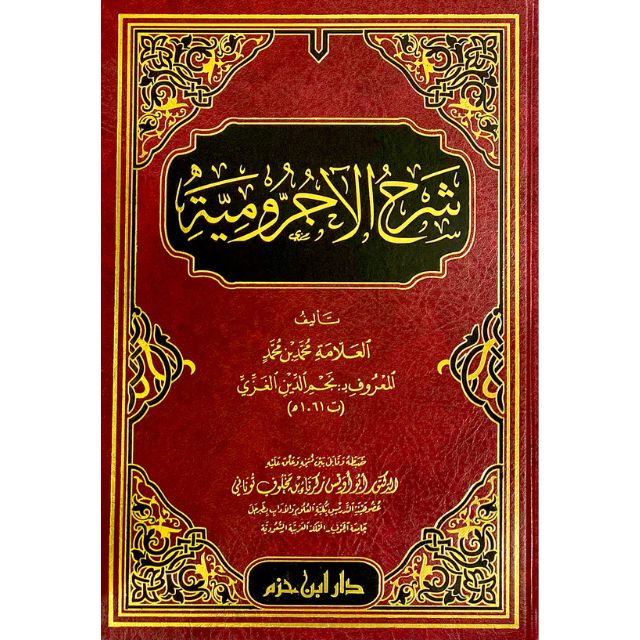
[ALA] Sharh Al Ajrumiah / شرح الآجرومية
RM50.00
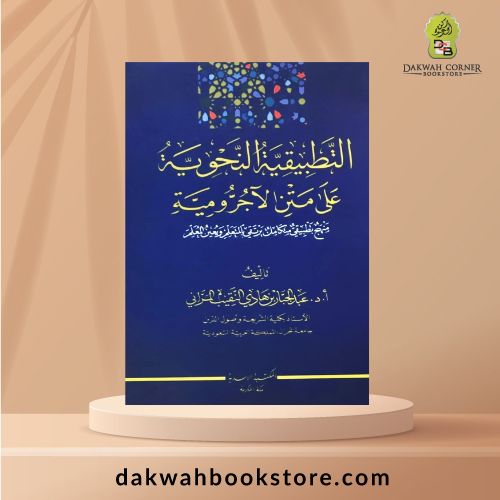
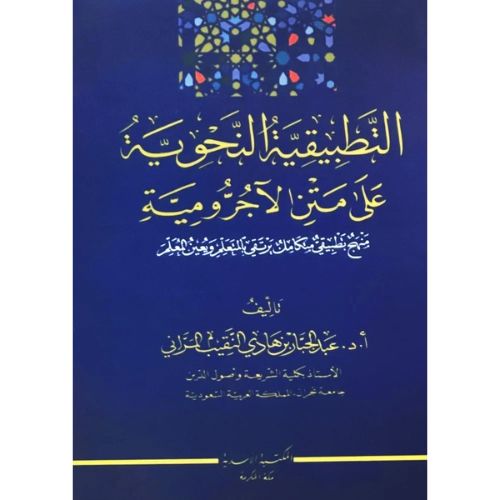
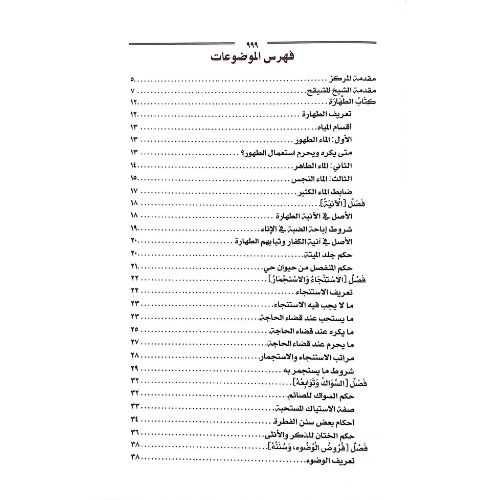
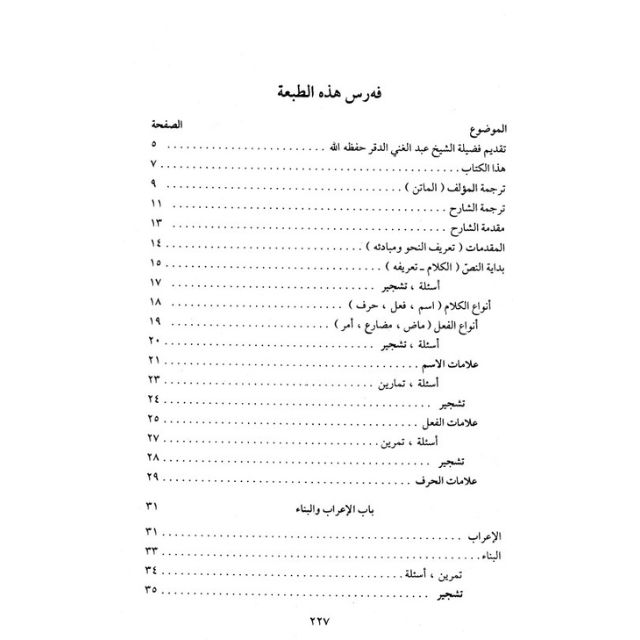
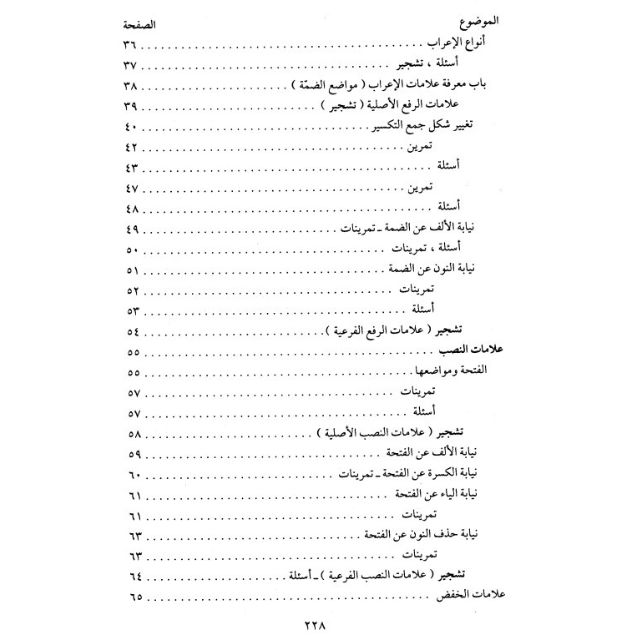
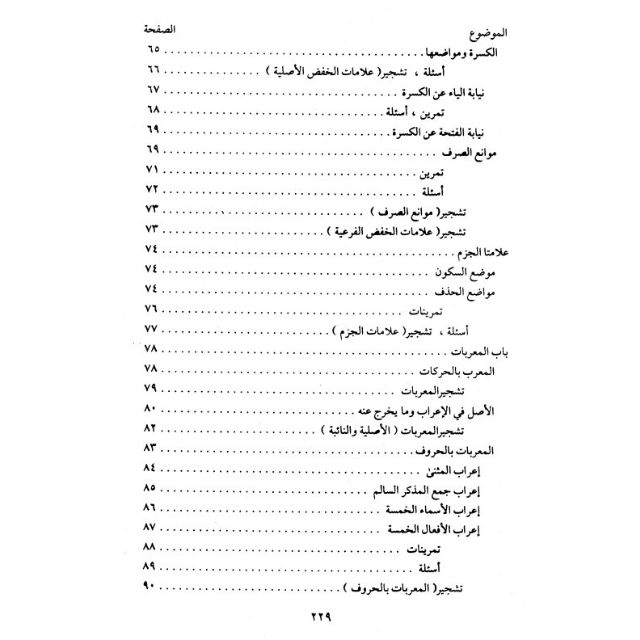
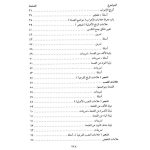
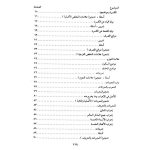
يعتير هذا كتاب من أهم وأقدم الكتب في علم النحو حيث شاع المتن الآجرومية في أرجاء الأرض، وكثرت عليه الشروح والأنظام والحواشي والإعرابات والمتممات. ومن بين هذه الشروح هذا الشرح الوجيز الذي بين أيدينا فقد سلك فيه مؤلفه مسلك المحققين والمحررين في اخراجه والاستفادة منه وإفادة المتبحرين في اللّغة العربية..
Frequently Bought Together
You may also like…
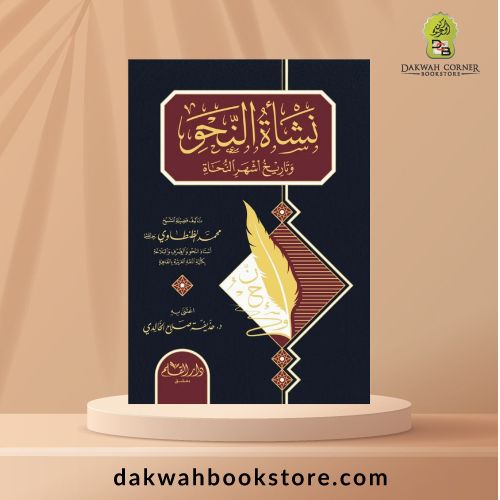
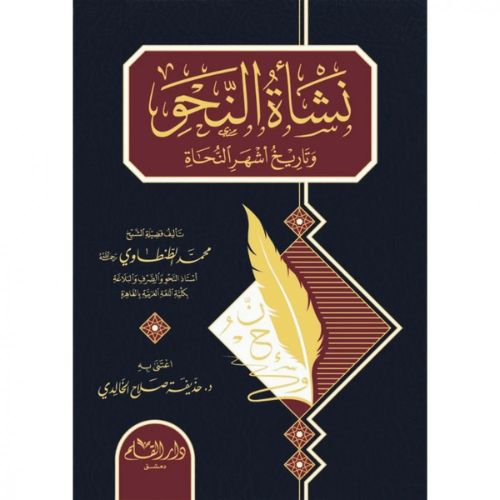
[ALA] Nashat An Nahu Watarikh Ashahr Alnuha – نشاة النحو وتاريخ اشهر النحاة
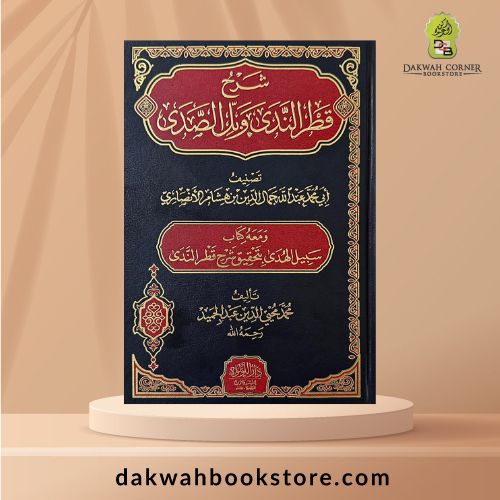
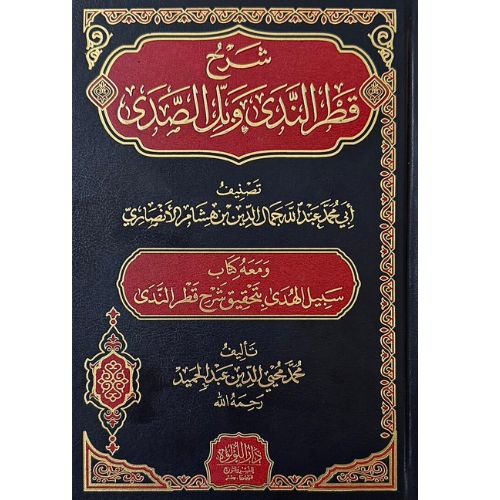
[ALA] Sharḥ Qaṭr al-Nadā wa Bal al-Ṣadā / شرح قطر الندى وبل الصدى
The severe – something that is not specific to a book from the books of our ancestors, and it is not unique to a trace of their precious traces, but you do not fall – except in the rare little – on the book of their books, the publisher of which has taken out on your face if you look at it, and God is sufficient for us and the best deputy!
Therefore, I did not find a beginning to do this book: by adjusting its examples and testones from the Holy Qur’an, the Prophet’s hadith and Arabic poetry, and then by explaining its verses as a middle explanation between the brief and the boring simple, with the expression of the verses in full expression, and I did all this with an easy phrase and a close style.
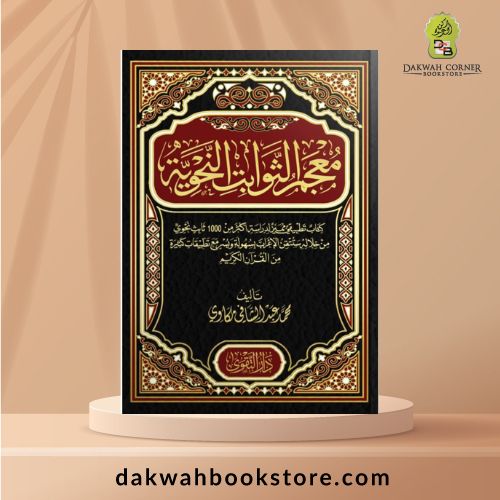
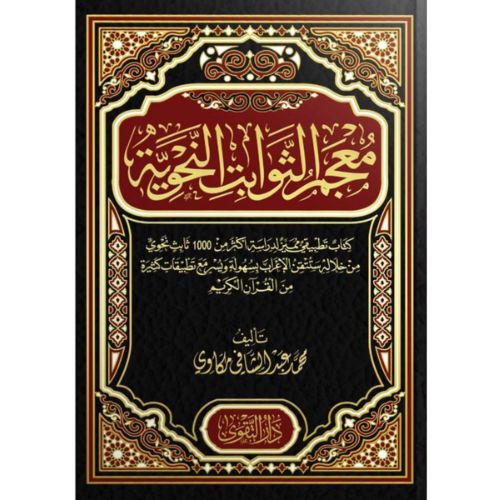
[ALA] Muʿjam al-Thawābit al-Naḥwiyya / معجم الثوابت النحوية
كتاب تطبيقي مميز لدراسة أكثر من 1000 ثابت نحوي من خلاله ستتقن الإعراب بسهولة ويسر مع تطبيقات كثيرة من القرآن الكريم
Related Products
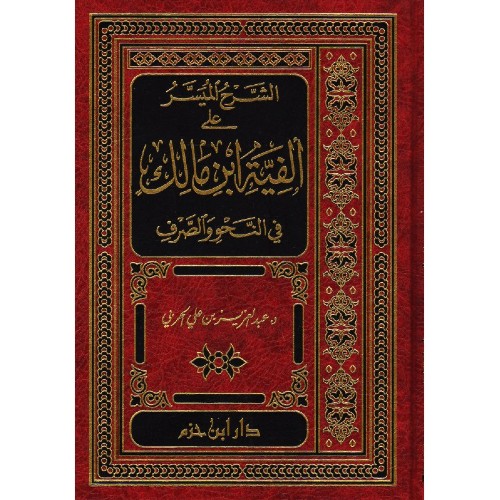
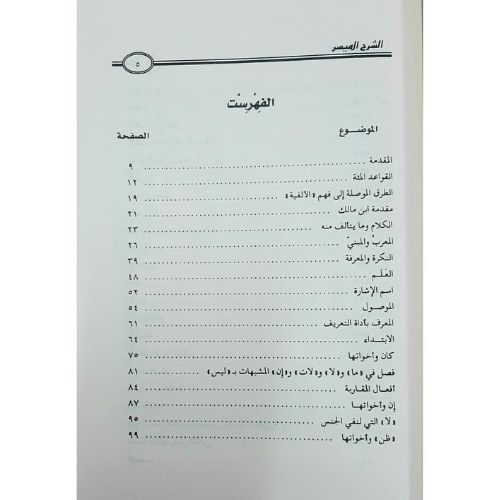
[AR] Al-Sharh Al-Muyasar Ala Alfiat Ibn Malik Fin Nahw Wa Sarf / الشرح الميسر على ألفية ابن مالك في النحو والصرف
الشرح الميسر على ألفية ابن مالك في النحو والصرف – د. عبد العزيز بن علي الحربي
[AR] At-Tatbeeqiyyah an-Nahwiyyah ‘ala Matn al-Ajrumiyyah – التطبيقية النحوية على متن الأجرومية
وقد جمعنا تلك التطبيقات الإعرابية في جداول منهجية مرتبة ومركزة، تضع تحت الشاهد خطين، وتحت المتعلق الإعرابي الأقل أهمية خطا واحدًا، ثم طبع الكتاب أربع طبعات، أول ثلاث منها باسم: “دليل الإعراب المتعلمي التحفة السنية”، وأما الطبعة الرابعة فباسم : “دليل الإعراب المتعلمي الأجرومية”.
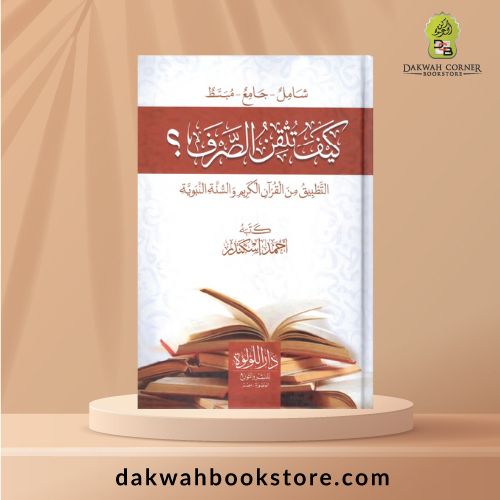
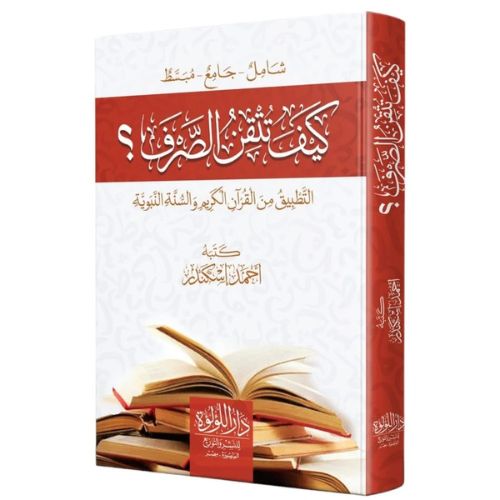
[AR] Kayfa Tutkinun Sorfa (كيف تتقن الصرف التَّطبِيقُ مِنَ الْقُرْآنِ الْكَرِيمِ وَالسُّنَّةِ النَّبَوِيَّةِ)
كيف تتقن الصرف
التَّطبِيقُ مِنَ الْقُرْآنِ الْكَرِيمِ وَالسُّنَّةِ النَّبَوِيَّةِ
—-
اسم المؤلف : احمد اسكندر
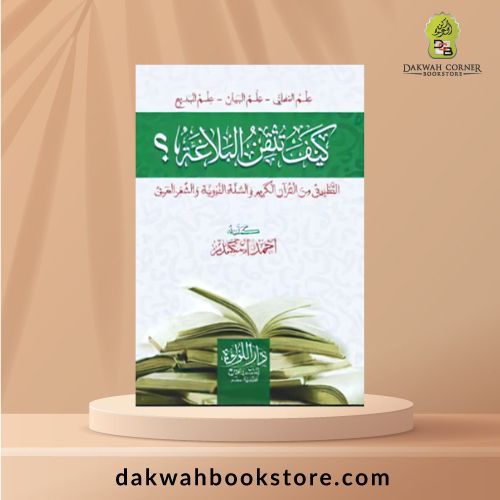
[AR] Kayfa Tutkinun Balagha (كيف تتقن البلاغة )
لمن يرغب بإتقان فن البلاغة ومهارات الخطابة باللغة العربية، يعتبر كتاب ‘كيف تتقن البلاغة’ مصدرًا مثاليًا. يقدم الكتاب، من تأليف أحمد إسكندري ونشر دار اللؤلؤة، شرحًا وافيًا لدقائق علم البلاغة وتطبيقاته. طُبع الكتاب بغلاف صلب وورق ممتاز بقياس 17*24، ويُعد مرجعًا قيّمًا يسهم في تعزيز مهارات اللغة العربية والتذوق الأدبي للقراء على كافة المستويات.
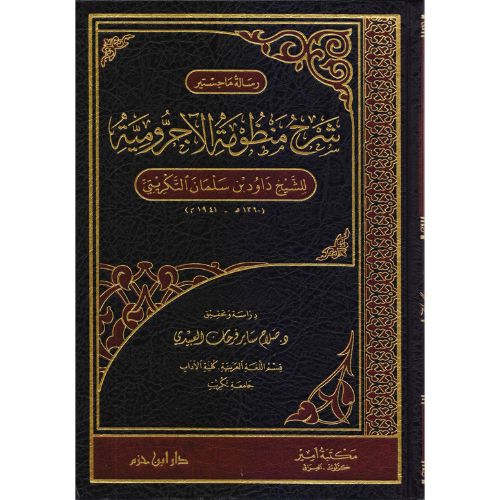
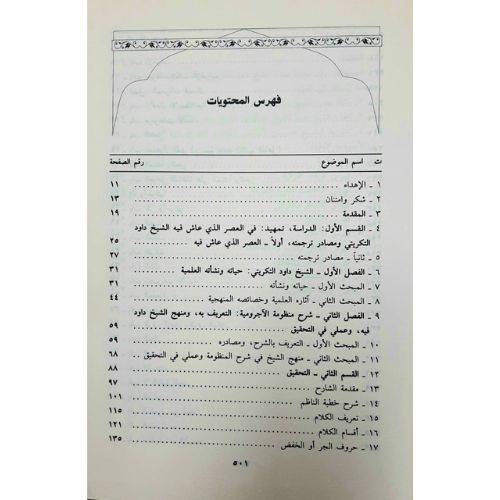
[MM] Sharh Mandhumah Al-Ajrumiyyah – Shaykh Dawud At-Tikriti (شرح منظومة الآجرومية – داود بن سلمان التكريتي)
شرح منظومة الآجرومية لداود بن سلمان التكريتي (1360 هـ) عالم عراقيتحقيق هذا الكتاب هو في الأصل رسالة ماجستير قدمت في جامعة تكريت
[AR] Sharhu Al-Ajrumiah (شرح الاجرومية)
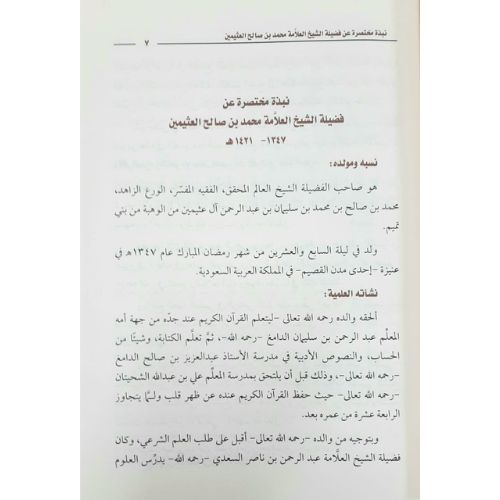
شرح الاجرومية محمد بن صالح العثيمين
هذا شرح تعليمي لمتن ابن آجروم في النحو المعروف بالآجرومية، اعتنى فيه الشارح ببيان مفردات التعاريف، ومحترزاتها، وأمثلتها، مع إضافة بعض الشروط والأمثلة على ما ذكره الماتن، وقد وردت في آخر كل فصل أسئلة مع الإجابة عليها
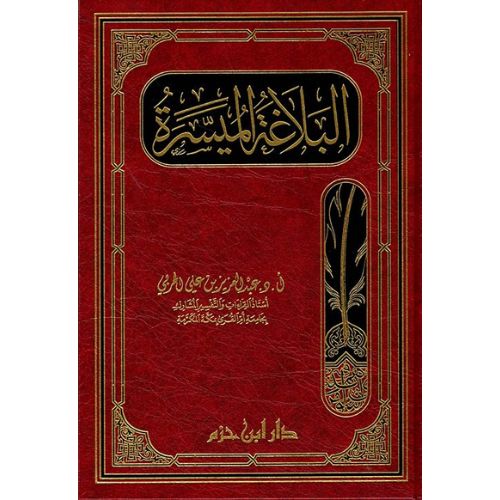
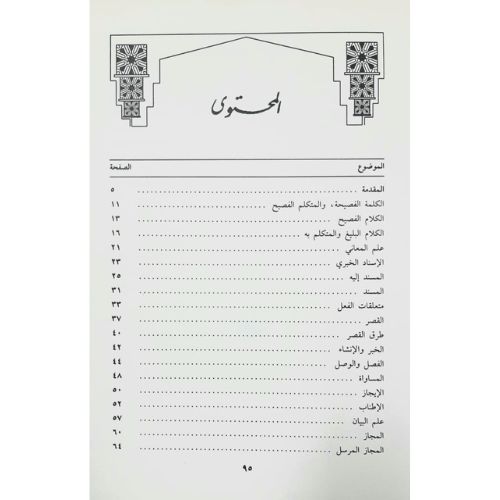
[QQ] Al-Balaghah Al-Muyassarah / البلاغة الميسرة
البلاغة الميسرة للدكتور عبد العزيز بن علي الحربي, كتاب مناسب للمبتدئين في علم البلاغة
Recently Viewed
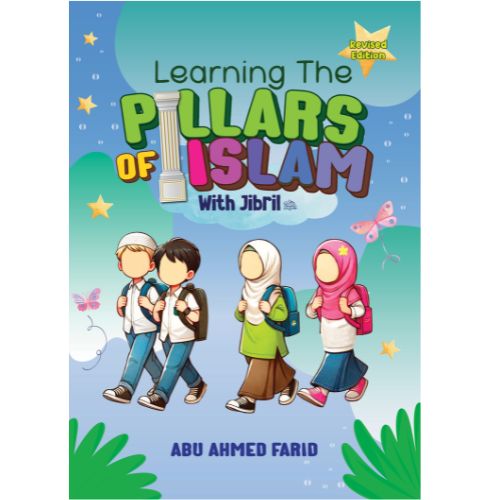
Learning the Pillars of Islam with Jibril (Revised)
This book is specially designed as a guide for young Muslims as well as new Muslims and non-Muslims who may desire to see Islam at a glance.
The most basic details of the Islamic faith and rituals need be presented in a simple yet thorough manner, enough for them to grasp the main purpose behind the faith, in its recommended forms, as taught by the Prophet PBUH himself.
Concise and to the point, this book will certainly take the reader by the hand and lead him/her with ease into appreciating the pillars of Islam.
Worship In Islam: An In-depth Study of Ibadah, Salah and Sawm (P/B)
Worship in Islam is in-depth study of the nature and significance of Islamic spirituality by Abul A‘la Mawdudi (1903–79), one of the leading Muslim intellectuals of the twentieth century, with special reference to the concepts of God’s Oneness (tawhid), the finality of Prophethood (risalah) and the Islamic system of worship (‘ibadah) with a focus upon prayer (salah) and fasting (sawm) and their role in the development of the Islamic personality and Islam’s social order. The distinguishing feature of Mawdudi’s approach is his elaboration of the social dimension of worship, which extends the traditional approach found in Islamic jurisprudence, with its focus upon ritual and self-purification, to consider worship’s transformative role in social life. Presenting a holistic view of the Islamic system, Mawdudi highlights Islam’s social, economic and political dimensions, which he argues has the capacity to resolve emergent issues and problems that humankind faces.
This historic text should be of wider interest to both students and specialists in contemporary Islamic thought, and includes an introduction by Professor Anis Ahmad.
Edited and translated into accessible English by Ahmad Imam Shafaq Hashemi, this book is an authoritative compilation by a leading Islamic twentieth-century revivalist on the central matter of worship’s role in Islam.
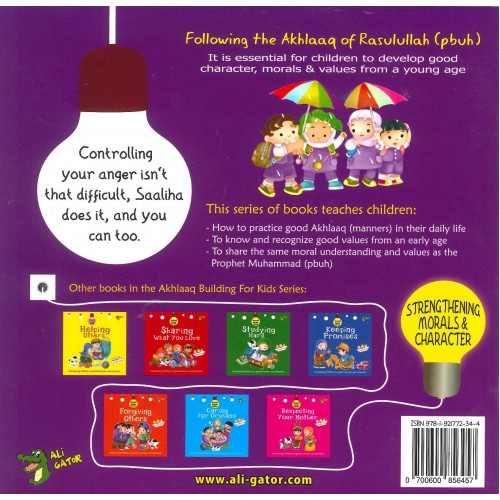
Controlling Your Anger (Akhlaaq Building Series)
In “Controlling Your Anger” Saaliha lends her friend her favorite pencil, but she accidentally looses it. How will Saaliha react? will she get angry?, will she yell at her friend? No, Saaliha shows us the best way to act when something like this happens.
Having a younger brother like Ali, there are always going to be situations that could make you angry. Saaliha learns that “Controlling Your Anger” isn’t that difficult, and you can too.
The “Akhlaaq Building Series”, which aims to teach children to follow the example of our Prophet Muhammad (peace be upon him) and to be nice to all people.
There are 8 books in this highly successful series.
Full Color
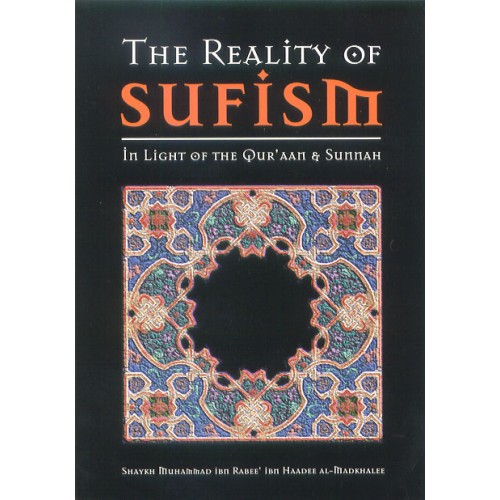
The Reality of Sufism In Light of the Quraan and Sunnah (P/B)
In this book, the author discusses the beliefs and origins of Sufism. It has been written in a clear and uncomplicated style which makes it accessible for readers of all levels. The history of Sufism is traced as well as how sufism developed into what we have today. The author touches upon the beliefs of Sufism, and gives examples from personalities that are regarded highly by those who ascribe to Sufism. A scholarly criticism in light of the Qur’an and Sunnah.
From the Back Cover
You must be aware that there are a number of destructive calls which have been established amongst the ranks of the Muslims and which have shaken and damaged the belief held in there hearts. They have polluted the pure Islamic ‘aqeedah, and have grown by stages to reach such a dangerous level that they led to the splitting of the Muslims into sects and the parties, about which the Prophet (peace be upon him) said: “Indeed those who were before you, from the people of the book, split into seventy-two sects, and this religion will split seventy-three. Seventy-two in the fire and one in the paradise and it is the Jammaa’ah.”
Then there is no doubt that each one of these sects claims for itself that it is the saved sect, and that it is correct, and that it alone follows the Messenger. But the way of truth is a single way and it is the one which leads to salvation, and any other way is one of the ways of miss guidance which leads to destruction.
So the way of truth is to cling to the book of Allaah and the Sunnah of Allaah’s Messenger (S) as occurs in the hadeeth: I have left amongst you two things whith which you will not go astray: The Book of Allah and my Sunnah, and they will not be separated till they come to me at the Pond.
- A scholarly criticism of Sufism in the light of the Qur’an and Sunnah
- Written in an uncomplicated style, ideal for the layman
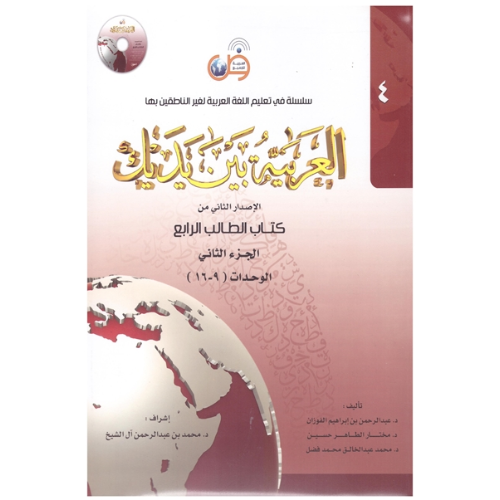
[AR] Al-Arabiyyah Baynah Yadayk Book 4 Part 2
Al-’Arabiyyah bayna yadayk Means Arabic in Your Hands.
The great thing about these books is, that it covers a lot of vocabulary through pictures, Images and using Arabic Only, introduces the students to grammar later and gradually rather than pushing them at the deep end before they can swim.
Much like Arabic Course for English Speaking Students 3 Volumes Set, UKIA, it is more Islamic inclined and fulfils the desire for the student of knowledge to learn the language of the Qur’an.
Students who had completed all three books wanted something else to reach higher competency, which has given rise to volume 4 which is available in 2 Parts.
Al-’Arabiyyah bayna yadayk series comes in 3 Basic Student Books and a further study Book 4 Parts 1 & Book 4 Part 2
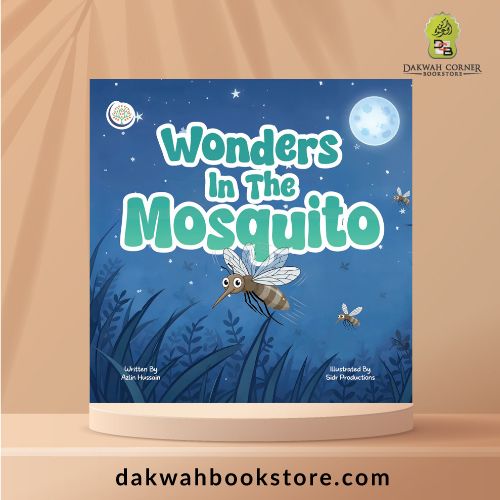
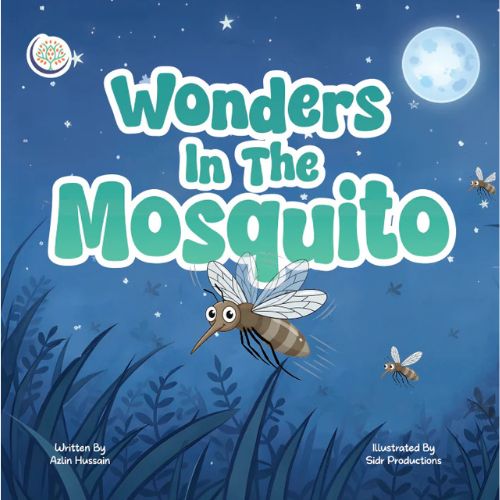
Wonders In The Mosquito
Discover the tiny mosquito and its amazing secrets in this child-friendly science book for ages 4+.
Children will marvel at its tiny, perfect design and discover the wonders Allah places in even the smallest creatures.
A warm. inspiring read that nurtures curiosity. gratitude, and connection with Allah.
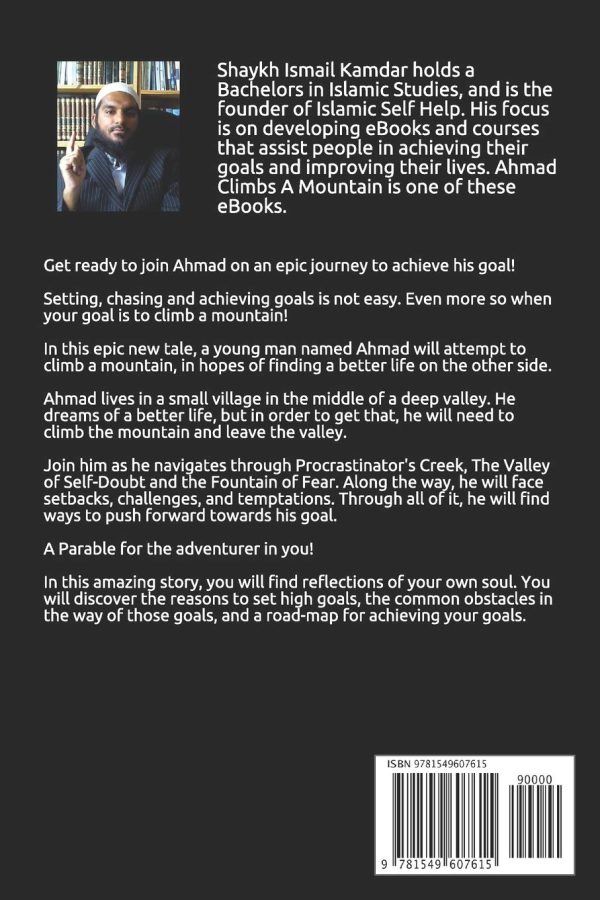
Ahmad Climbs A Mountain: A Parable About Achieving Your Goals
[ALA] Sharḥ Qaṭr al-Nadā wa Bal al-Ṣadā / شرح قطر الندى وبل الصدى
The severe – something that is not specific to a book from the books of our ancestors, and it is not unique to a trace of their precious traces, but you do not fall – except in the rare little – on the book of their books, the publisher of which has taken out on your face if you look at it, and God is sufficient for us and the best deputy!
Therefore, I did not find a beginning to do this book: by adjusting its examples and testones from the Holy Qur’an, the Prophet’s hadith and Arabic poetry, and then by explaining its verses as a middle explanation between the brief and the boring simple, with the expression of the verses in full expression, and I did all this with an easy phrase and a close style.
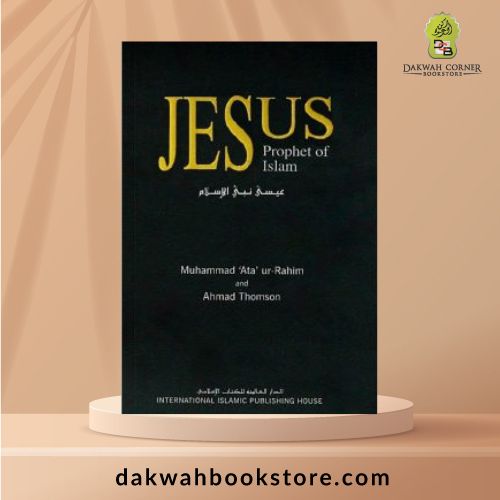
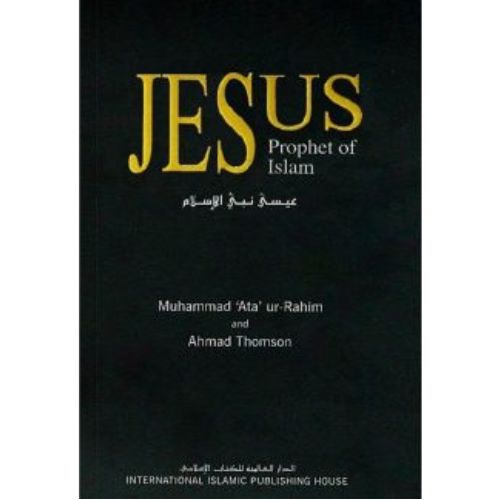
Jesus Prophet of Islam (H/B) – IIPH
1996 expanded and revised edition. This book examines Jesus as a prophet teaching the Unity of God, and the historical collapse of Christianity as it abandoned his teaching. The author sketches the dramatic picture of the original followers of Jesus who affirmed Unity. What emerges is that “Christianity” is the fiction that replaced their truth. A work that covers the Gospel of Barnabas, the Gospel of Hermes, the Shephard, early and later Unitarian Christians, Jesus in the Gospels and in the Qur’an and Hadith. The author clearly shows the idea of Jesus as part of a Trinity was a Greek Pagan idea adopted by early Christian mission-aries to gain converts among the Greek, and did not become a widely accepted Christian doctrine until after the Council of Nicea in 325 A.D.


Tafsir 85 : A commentary on Surah Al-Buruj (P/B)