

![[ASB] Muhammad Rasulullah SAW 3 Vol / محمد رسول االله صلى االله عليه وسلم " رحمة للعالمين " 3 مجلدات](https://shop.dakwahbookstore.com/wp-content/uploads/2025/02/TARIQ-9.jpg)
| Weight | 1.7 kg |
|---|---|
| Dimensions | 24.5 × 17 × 4 cm |
| Author | |
| Pages | 1093 |
| Binding | Leather |
| Publisher | Dar Al Mustafa |
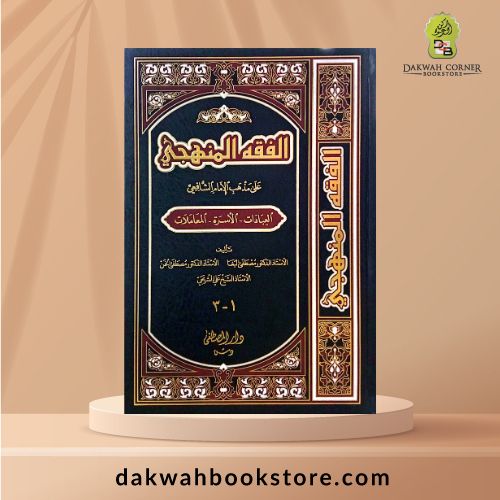
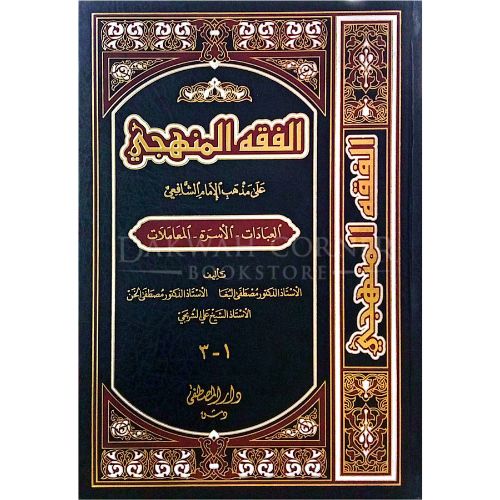
[AC] Al-Fiqh Al-Manhaji / الفقه المنهجي
RM140.00
Hurry up, Only 1 left.
somdn_product_page
Compare
SKU: ASJ241
Categories: Al-Aqeedah (العقيدة), Arabic Books
Additional information
Related Products
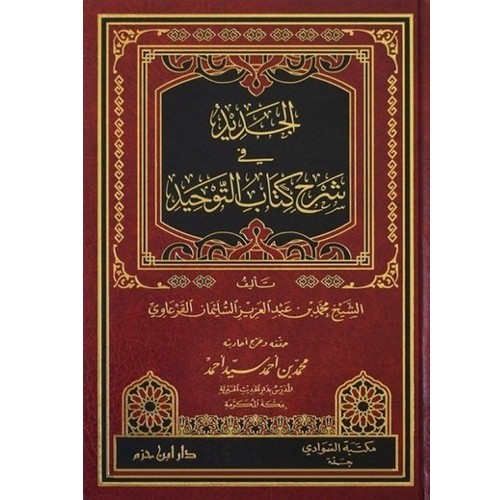
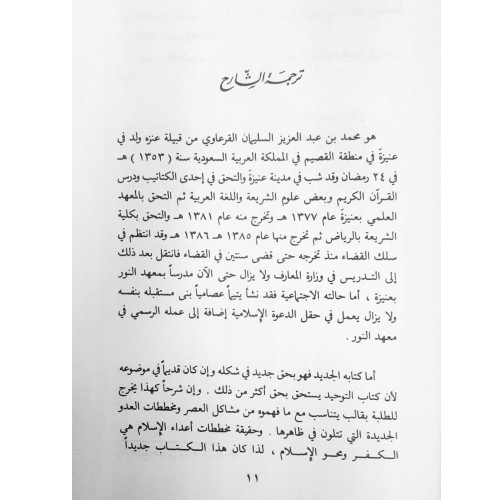
[AC] Al-jadid Fi Sharhu Kitab At-tauhid (الجديد في شرح كتاب التوحيد)
Highlights:
الثاني المتوسط:
– الفصل الأول: من: أول باب (قول الله تعالى: حتى إذا فزع عن قلوبهم). – إلى: آخر باب (ما جاء في حماية المصطفي صلى الله عليه وسلم جناب التوحيد).
– الفصل الثاني: من: أول باب (ما جاء أن بعض هذه الأمة يعبد الأوثان). – إلى: آخر باب (ما جاء في قول الله تعالى: وعلى الله فتوكلوا).
RM76.00
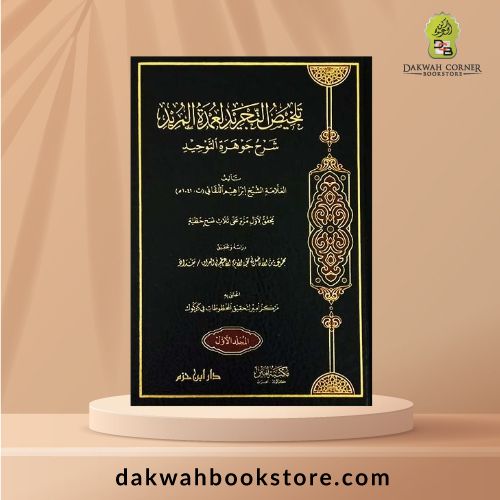
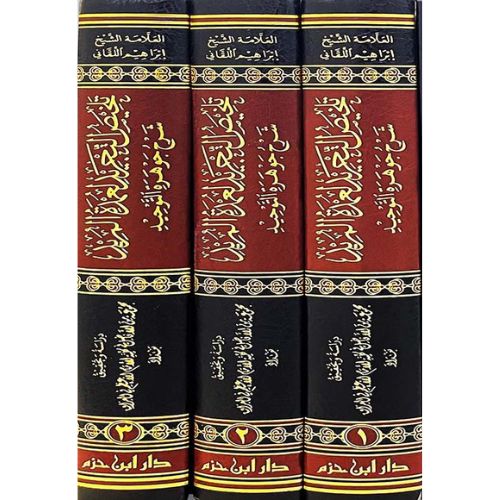
[AC] Talkhis Al Tajrid Li Umdatul Murid 3 Vol / تلخيص التجريد لعمدة المريد شرح جوهرة التوحيد 3 مجلدات
Highlights:
- عدد المجلدات: 3
- نوع التجليد: مجلد
- عدد الصفحات: 2064
RM300.00
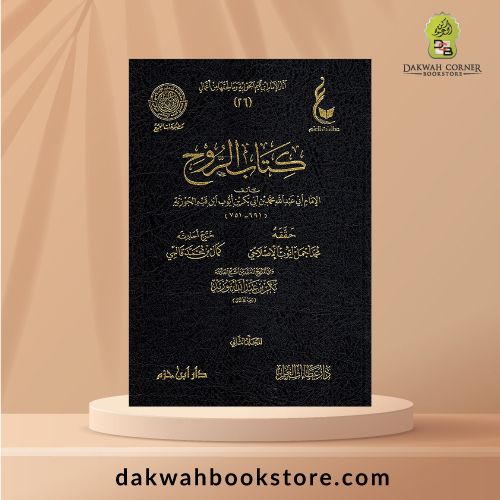
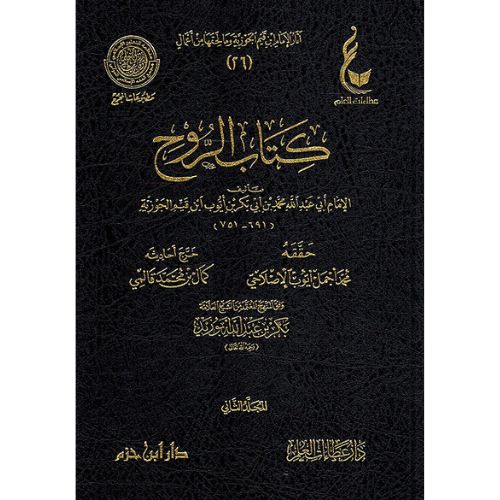
[AC] Kitab Alruh 2 Vol / كتاب الروح 2 مجلد
Highlights:
كتاب يطرح فيه المؤلف مسألة الروح لم ترد في غيره من كتب السلف، فيه معلومات معرفية عن النفس والروح والفرق بينهما، وعلاقة الروح بالجسد، ومصيرها بعد الموت. وذلك استنادا إلى الكتاب والسنة مؤيدا بالحجة والبرهان النقليين والعقليين والمنطقيين
RM170.00
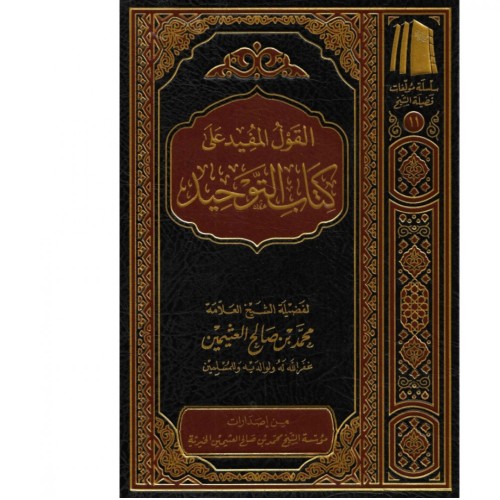
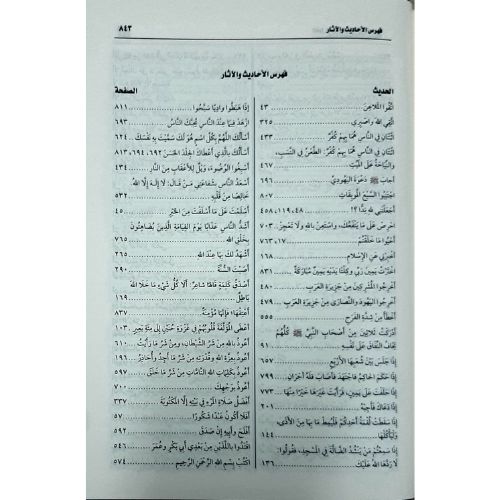
[AC] Al-qawl Al-mufid Ealaa Kitab AT-tawhid (القول المفيد على كتاب التوحيد)
Highlights:
كتاب مهم جداً لكل قارئ تناول فيه مؤلفه موضوع التوحيد حيث بيّن معناه وأقسامه وكلّ ما يتعلق به، والكتاب مقسّم في أبواب مثل: باب من الشّرك إرادة الإنسان بعمله الدنيا، وباب من جحد شيئاً من الأسماء والصفات.وباب وصف الله الحاكمين بغير ما انزل الله وباب ما جاء في الرياء وباب التسمي بقاضي القضاة باب احترام أسماء الله وتغيير الاسم لأجل ذلك باب قول اللهم اغفر لي إن شئت… وغير ذلك من الأبواب الهامّة
RM106.00
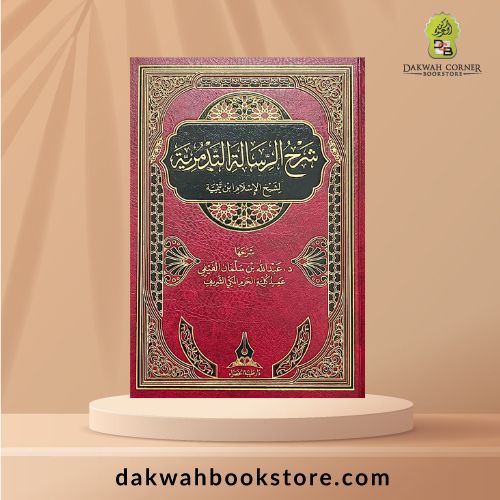
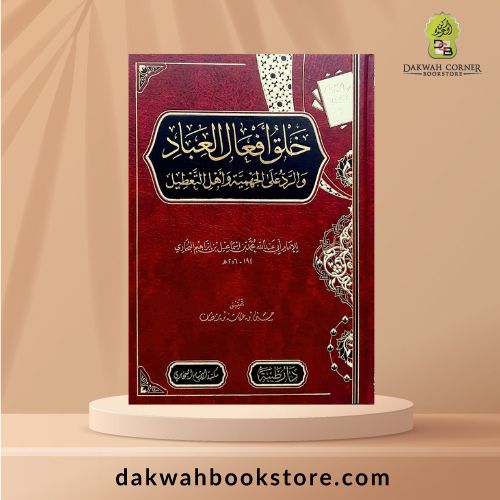
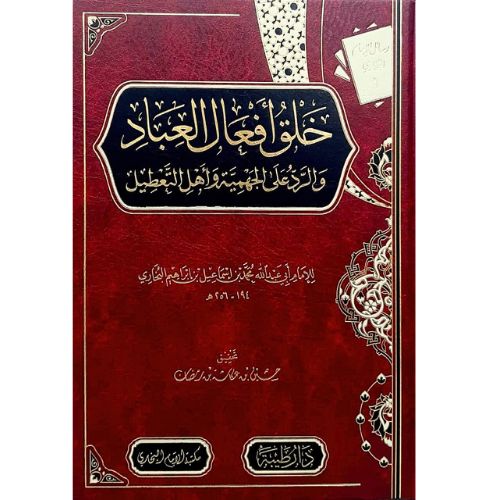
[AC] Khalqu Afali Ibadi / خلق أفعال العباد
Highlights:
بدأ الكتاب بذكر أقاويل أهل السنة في الجهمية وتكفير من يقول بقولها
تناول في الباب الثاني الكلام في مسألة خلق الأفعال، وأثبت أن أفعال العباد مخلوقة، وقام بالرد على الجهمية في هذا
يعد الكتاب أصلًا من الأصول التي احتفظت لنا بجملة كبيرة من أقاويل أئمة السلف من الصحابة والتابعين في فرقة الجهمية ومن قال بقولها، وبيَّن لنا الكتاب كذلك الطريقة المثلى في الرد على أهل البدعة.
يلاحظ كذلك كثرة تعليقات المصنف على ما يورده من نصوص، وأنه لم يكتف بسرد النصوص فحسب، بل كانت له كذلك ردود على الشبهات التي يلقيها الجهمية
RM125.00
Recently Viewed
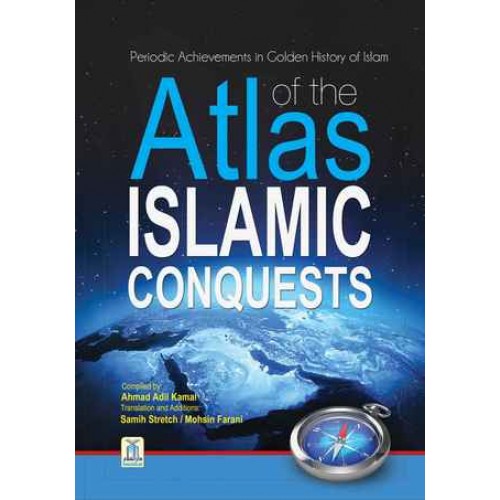
Atlas Of The Islamic Conquests (H/B)
Highlights:
History is a mirror of the past days and nights of nations and communities. Hence the History of Islam is not only a mirror of the fourteen centuries of the Muslim Ummah but it also signifies the best Human Civilization on the face of the earth. So a stark necessity arises to acquaint new generation of Muslim Ummah with great intellectual and political leaders and renowned personalities along with such men of achievements and valiant heroes who defeated false forces in the battle fields in order to propagate the true religion in those lands where darkness and ignorance prevailed.
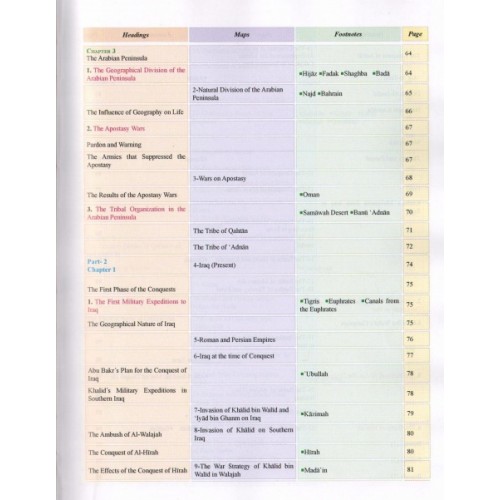
“Atlas of the Islamic Conquests” has been prepared in view of the same lofty aim. In it are events of consecutive days, months & years of major Islamic Conquests, starting from the period of first Caliph Abu Bakr Siddiq (RA) to the reign of Ottoman Caliph Murad 3, have been described, with full color maps and unique snaps, in such a manner that the reader goes along with them and comes across wonderful historical happenings and new secrets of History are disclosed.
Make thorough study of “Atlas of Islamic Conquests” yourself and motivate your children, kith and kins and friends to study it. This unique Atlas, having intrinsic and apparent beauty, is masterpiece of history and research and rich presentation for English readers.
RM151.00
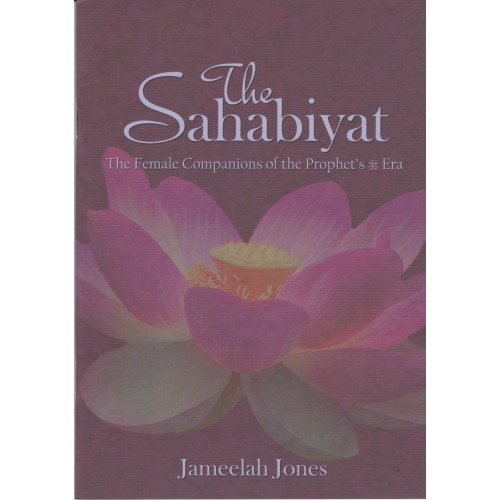
The Sahabiyat (P/B)
4 ★
4 ★
1 Rating
5 ★
0
4 ★
1
3 ★
0
2 ★
0
1 ★
0
Highlights:
The lives of the female companions of the Prophets SAW give us an insight inti depth and breadth of the role of women in Islam. This book contains the stories of just eight of these remarkable ladies which will uplift and inspire young Muslimahs of today.
Recommended for ages 11 and over.
RM15.00
Mapping The Secular Mind (IIIT)
Highlights:
The secular mind had a grand plan, to establish an earthly paradise, a utopia of the here and now, a modern civilization governed by human reason, rationality, and the triumph of progress. Whilst ideals are one thing, the means to realize them is something else. Away from the hype, emancipating humanity from the shackles of God and religion has proved no easy matter. Mapping the Secular Mind critically examines issues of reason, rationality, and secular materialism, to explore how these mental perceptions, or ways of mapping the world, have affected human interaction and sociological development. It does this by comparing and contrasting the ideas of Abdelwahab M. Elmessiri (1938 2008) a leading Arab intellectual, and Zygmunt Bauman (1925), one of the world s foremost sociologists. In the last few decades, an emergent Western critique of modernity has inspired Muslim intellectuals to develop new ideas, images, terms and concepts that state their positions towards the tendencies of secular modernity, its transformations and consequences, and how it manipulates perceptions of reality. The book challenges foundations of secular ideology to argue that its aspirations have deeply transformed human consciousness and man s sense of self, leaving him a creature of purposeless consumption, wearied by the search for fulfillment, and controlled by materialistic laws governing physical phenomena. It also offers a more darker thesis, that Fascist Germany and the Eugenics movement were a form of Social Darwinism taken to its logical course. These were not an aberration from the principles of modernity, Ali argues, but a consistent outcome of the modern worldview, with the seeds of self-destruction being woven into the very fabric of the philosophy.
RM86.00
Zakat and Poverty Alleviation (P/B)
Highlights:
This edited book aims to raise issues pertaining to the topic of zakat and its primary goal of poverty alleviation. It portrays the dynamism of zakat by highlighting pertinent issues on the management of zakat institutions and innovative programmes that are designed as effective distribution mechanisms. Discussions include zakat payment motives, ways to measure the efficiency of zakat disbursement, economic development initiatives, housing programme, microfinancing, and actual impact on poverty alleviation. The discussions raised put emphasis on policy-orientation with dedicated sections on policy implications and recommendations. This approach is deemed necessary since it could guide the thought process of interested parties towards the creation of new ideas to actualize zakat as a very reliable tool in addressing the massive problem of poverty among Muslim communities. This special feature also significantly adds to the much-needed reference materials in courses on zakat at the intermediate level of undergraduate studies and introductory level of postgraduate programmes.
RM66.00
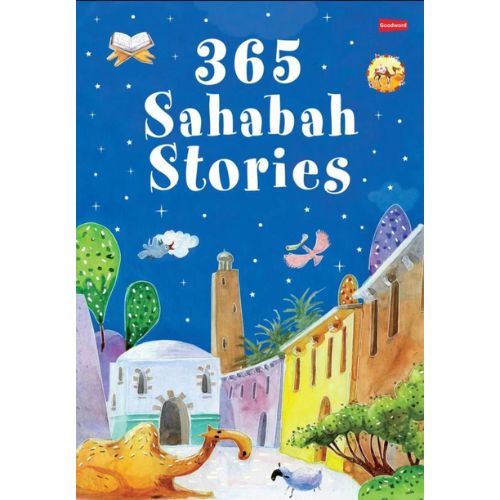
365 Sahabah Stories (H/B)
Highlights:
(Formerly known as 365 Days with the Sahabah)
365 Sahabah Stories is a unique storybook, which takes children on a fun-filled, day-by-day adventure throughout the life and times of the Sahabah or the Companions of the Prophet Muhammad saw. It provides a lively account of the Sahabah as persons, whose life and teachings are loved, cherished and respected by people all over the world. Every day, children will find in it a new story enshrining the wisdom of the Prophet Muhammad saw and his Companions, which they can apply in their daily lives.
Featuring 365 stories, this book introduces children to wonderful world of the Sahabah and the Prophet Muhammad saw. Children will love the colourful illustrations and captivating stories, charmingly told in simple language.
RM75.00
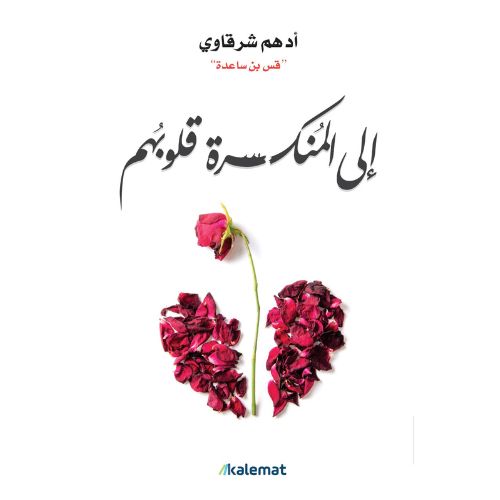
[MM] Ila Munkasarah Qulubuhim / الي المنكسرة قلوبهم
Highlights:
ما دامت الأشياءُ لا تخدش كرامتي ، و لا تكسر كبريائي ، فأنا أتمسك ! أما في اللحظة التي أًهان فيها ، فإني أُفلتُ إفلاتاً لا إمساكَ بعده ، و لم يحدث أبداً أن سقط مني شيٌ، ثم انحنيت لألتقطه ،
لطالما كانت كرامتي أكبر من قلبي ، و هذه من أكثر الصفات التي تعجبني في نفسي !
RM75.00
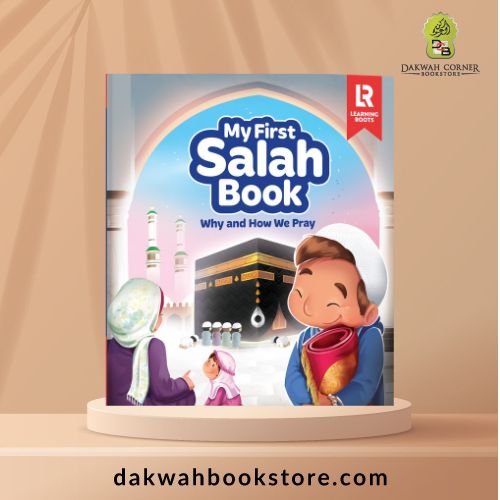
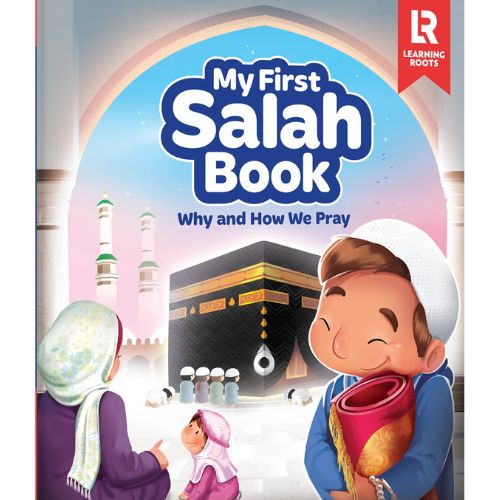
My First Salah Book: Why and How We Pray
Highlights:
Why We Pray: This book helps kids understand why we pray before teaching them how, making Salah more meaningful.
RM118.00
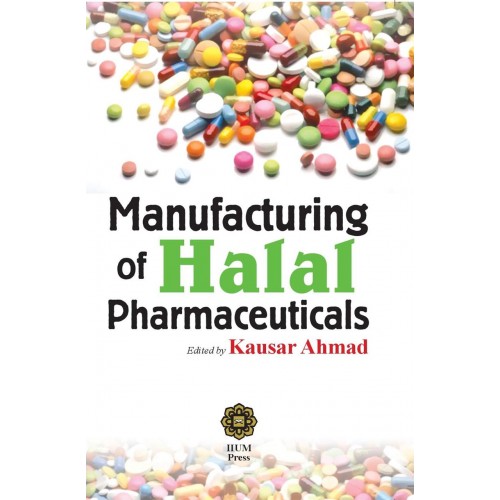
Manufacturing of Halal Pharmaceuticals (P/B)
Highlights:
This book aims to cover the fundamental aspects of pharmaceutical manufacturing from the Islamic worldview to inspire students that whatever they do including very mundane routine work such as checking pH can be an ‘ibādah – if they work within the sphere of Islamic teachings and in shā’ Allah all the time and effort will be rewarded by Allah SWT. The first chapter describes the Islamic perspectives towards the safeguarding of life vis-à-vis the use of medicines or pharmaceuticals and can be considered as an overview for the Islamic manufacturing practices. Although this book is about the manufacturing of pharmaceuticals, other industries may benefit from the discourse and examples given. As much as possible, processes and regulations are described in the book so that it covers the syllabus of industrial pharmacy for undergraduate use and still can be referred for postgraduate studies.
RM70.00
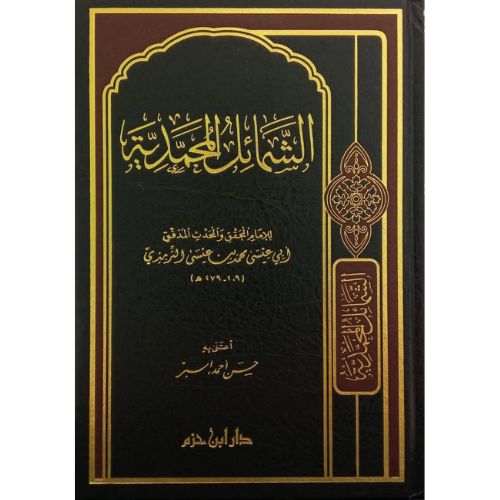
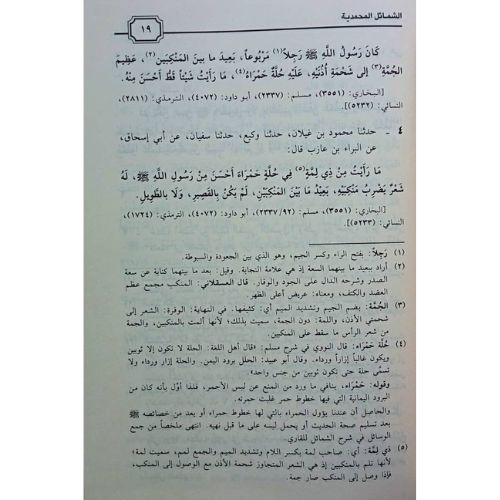
[SB] Ash-Shama’il al-Muhammadiyyah / الشمائل المحمدية
Highlights:
الشرح الميسر على ألفية ابن مالك في النحو والصرف – د. عبد العزيز بن علي الحربي
RM40.00
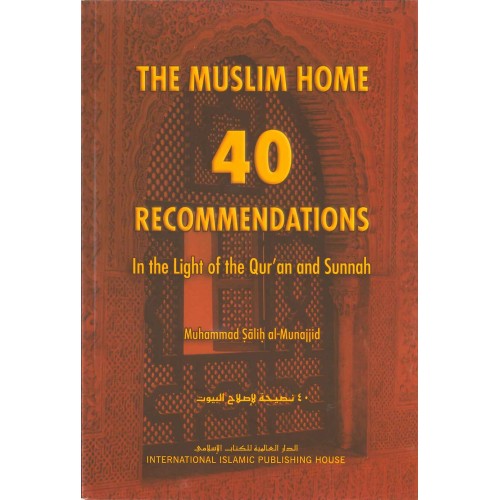
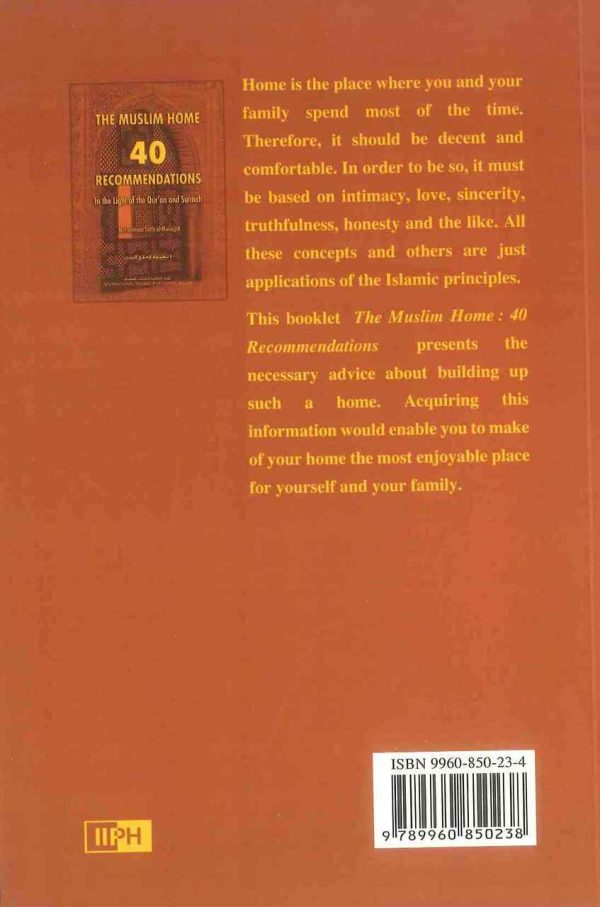
The Muslim Home : 40 Recommendations (P/B)
Highlights:
Home is the place where you and your family spend most of your time together. Therefore, a Muslim home should be a decent and comfortable residence which nurtures the Muslim family. In order to be so, your home life must be based on intimacy, love, sincerity, truthfulness, honesty and the like. All these concepts and others are just applications of the Islamic principles.
The Muslim Home: 40 Recommendations presents necessary advice about building such a home. Acquiring this information will enable you to make your home the most secure and enjoyable place for yourself and your family.
RM14.00
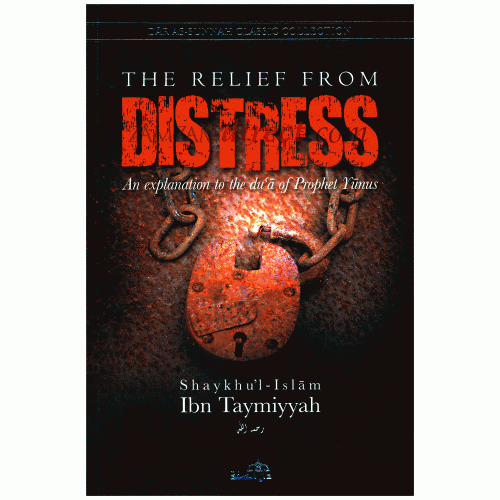
The Relief From Distress : An Explanation to the dua of Prophet Yunus (P/B)
Highlights:
Shaykh al-Islam Ibn Taymiyyah, may Allah sanctify his soul, was asked about the saying of the Prophet (pbuh),
The invocation of my brother Yunus, “none has the right to be worshipped save You; glory be to You, far removed are You from any imperfection; I have been amongst the wrong-doers,” none who is experiencing difficulty employs it except that Allah would relieve him of his difficulty.
What is the meaning of this du’a (prayer, supplication)?
Are their any unstated conditions that have to be met when one articulates it?
What is the connection between belief in the heart and the meaning of this supplication such that it leads to the removal of difficulty?
Why did he explicitly confess, ‘I have been amongst the wrong-doers’ when it is known that tawhid in itself leads to the removal of difficulty?
Is it sufficient to acknowledge ones’ sin alone, or must this be accompanied by repentance and the firm resolve not to repeat that sin in the future?
Why is it that difficulty and harm is removed only when a person relinquishes any hope, reliance and dependency upon the creation?
How can the heart relinquish the characteristic of putting hope in the creation and depending on them, and instead put its hope in Allah, Exalted is He, and turn to Him in its entirety?
What are the methods that would aid the heart in doing this?
The author replies to these questions in the form of this book.
RM117.00
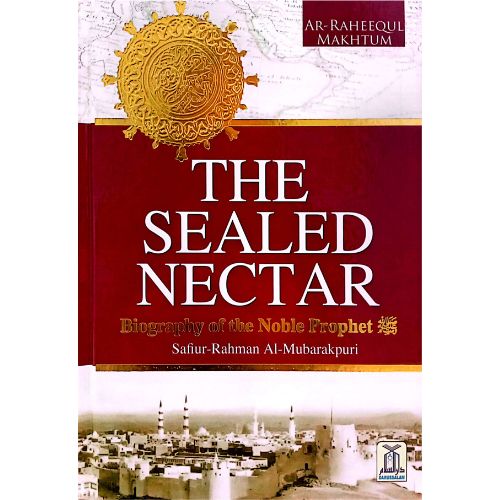
The Sealed Nectar (Full Color New)
Highlights:
Seerah and Biographies
RM150.00
Presenting The Quran (Goodword)