RM260.00
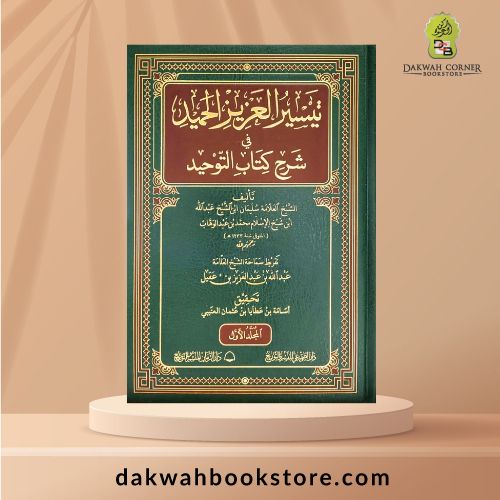
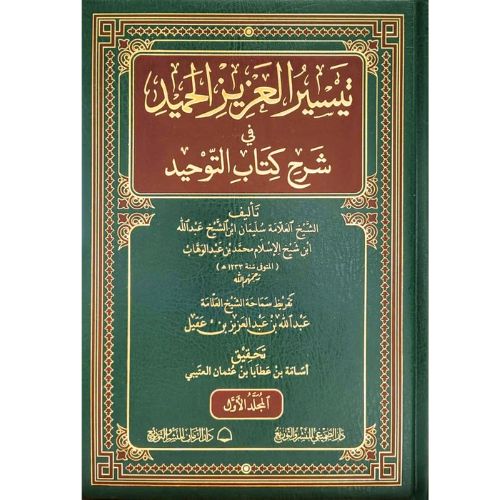
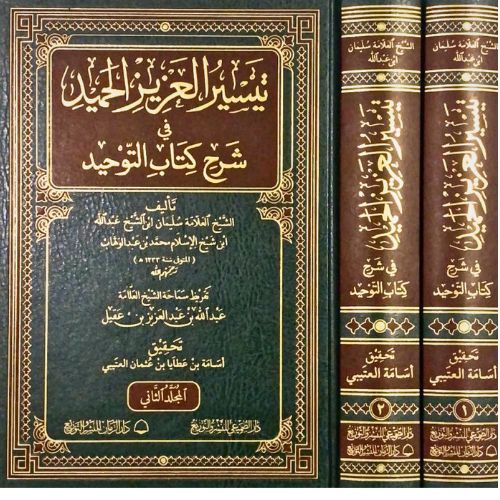
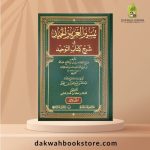
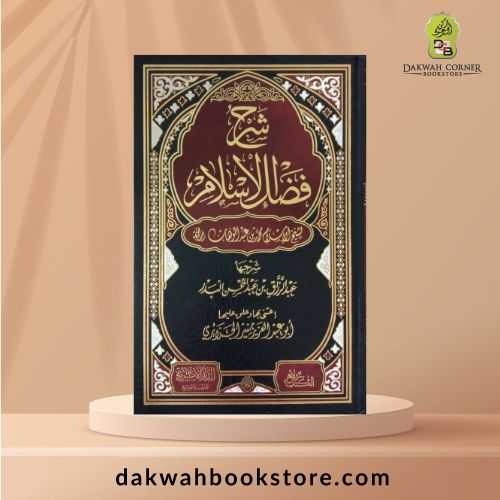
شرح الشيخ سليمان بن عبد الله حفيد الإمام المجدد الوهاب على كتاب التوحبد الذي هو حق الله على العبيد
| Weight | 3.00 kg |
|---|---|
| Dimensions | 17 × 7.5 × 24 cm |
| Author | |
| Binding | Hardcover |
| Publisher | Dar Al Sumay'i |
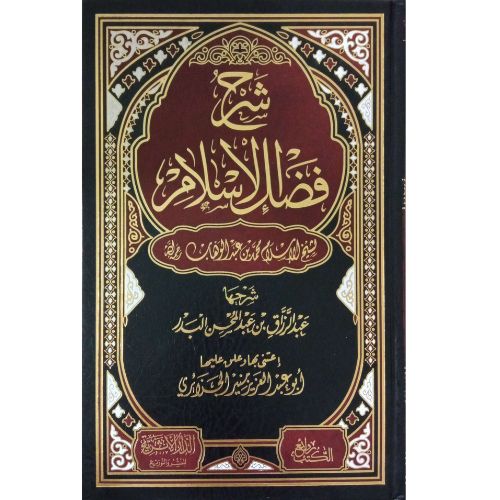
كتاب “فضل الإسلام” للإمام المجدد محمد بن عبد الوهاب هو رسالة موجزة توضح محاسن دين الإسلام، ومزاياه، وشموليته، وتفوقه على غيره من الأديان، مشدداً على أنه الدين الوحيد المقبول عند الله. يهدف الكتاب إلى إبراز نعمة الهداية والاعتزاز بالإسلام وتوحيد الله
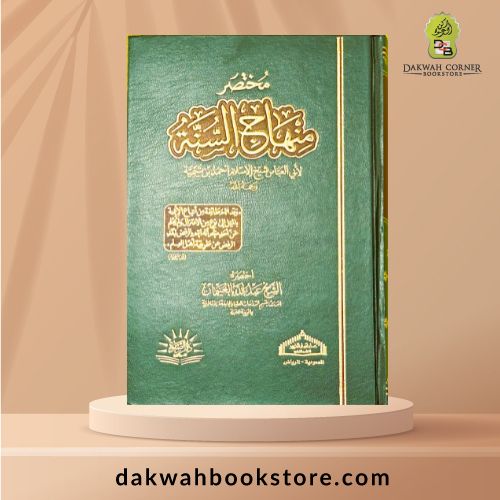
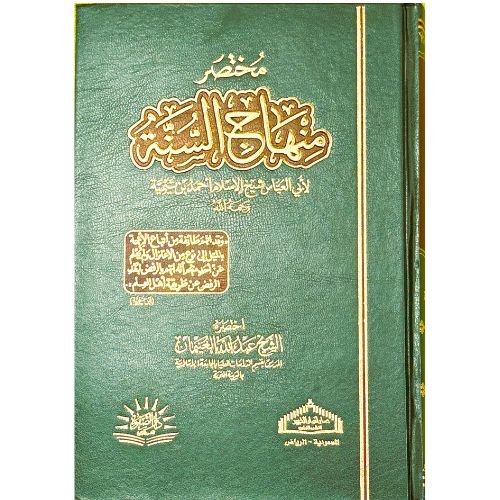
“The Methodology of the Prophetic Sunnah in Refuting the Claims of the Rejectors and the Qadarites” is one of the greatest books of the steadfast and patient Imam, the Mujahid, Sheik al-Islam Ahmad ibn Abdul-Halim ibn Abdul-Salam ibn Taymiyyah. In it, he fought for the truth and its people, and refuted and exposed falsehood.
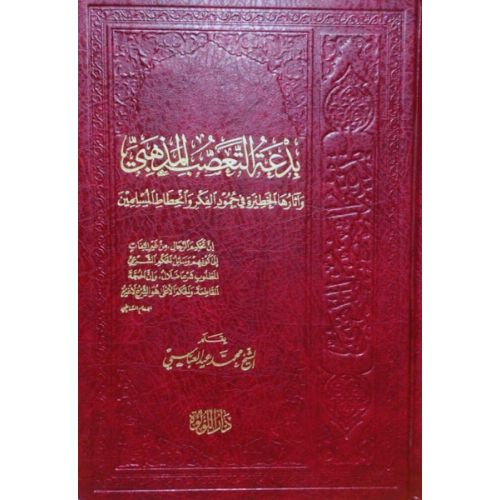
And the youth of Islam today are in dire need of reading this book and understanding its content, as rejectionism has spread to every country in the lands of Islam, changing them with all its might in promoting its doctrine and slandering the best and most virtuous of generations. It has cast its nets before those who do not know its true nature, appearing different from what it conceals, which is the habit of every hypocritical, corrupt, deceitful person. Those who do not know its true nature and have not read such a book are deceived by it.
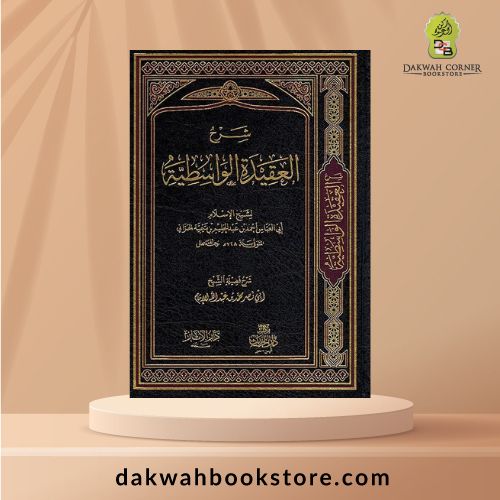
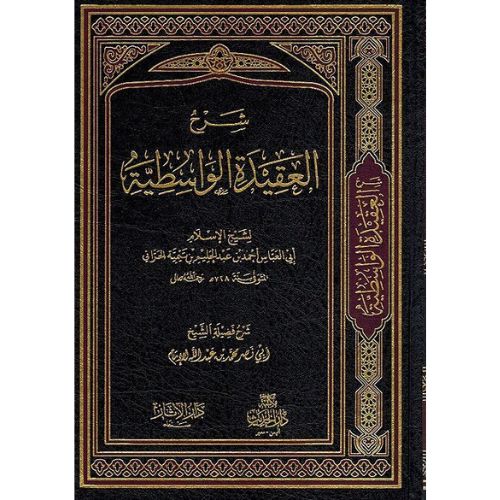
شرح كتاب العقيدة الشهير للشيخ ابن تيمية والذي تم شرحه عدة مرات، هذا شرح جديد للشيخ أبي نصر الإمام.
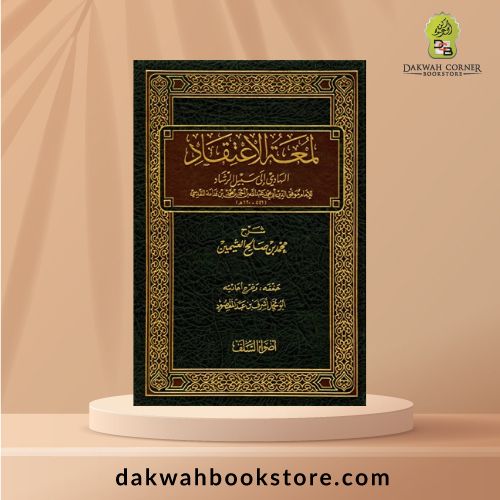
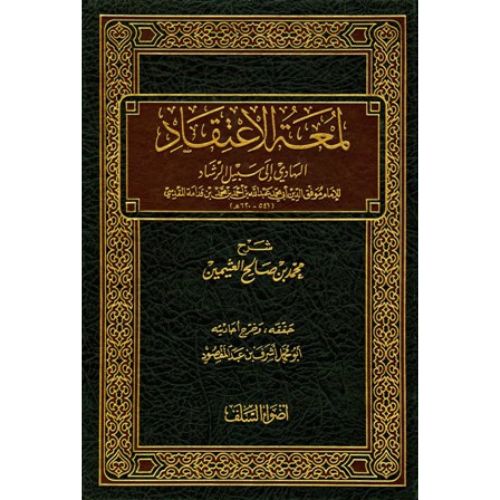
شرح لمعة الاعتقاد الهادي الى سبيل الرشاد
لابن قدامة المقدسي
كتاب من كتب العقيدة، ألفه الحافظ ابن قدامة (541 هـ – 620 هـ)، يعتبر الكتاب رسالة جمع فيها
المؤلف معتقد أهل السنة والجماعة في إثباته لصفات الله عز وجل كما جاءت في القرآن أو على لسان
النبي بدون تحريف أو تأويل أو تعطيل أو تمثيل، كما أن الرسالة احتوت على الإيمان بالقضاء والقدر،
والرد على من أنكر القدر، واحتوت أيضا على مسائل الإيمان، واليوم الآخر، والممعتقد في أصحاب رسول الله.
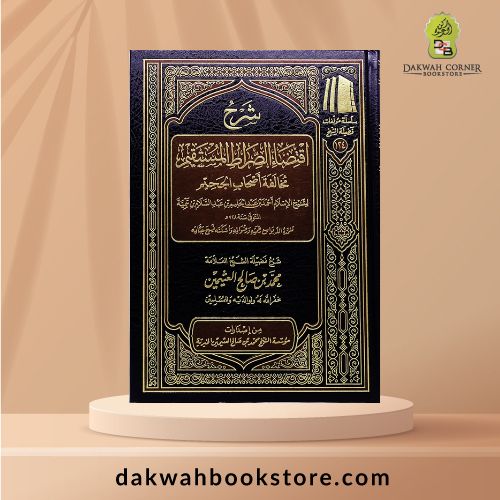
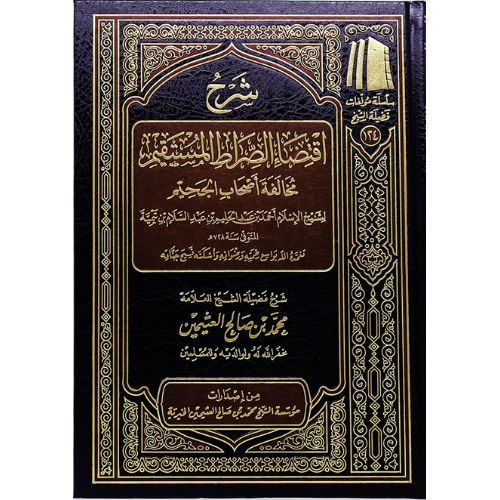
يعتبر كتاب اقتضاء الصراط المستقيم للإمام ابن تيمية – رحمه الله – من أفضل ما كتب في قاعدة عظيمة و هي: مخالفة الكفار و المشركين
و ذها هو شرح الشيخ العثيمين على اقتضاء الصراط المستقيم مخالفة أصحاب الجحيم لشيخ الإسلام ابن تيمية
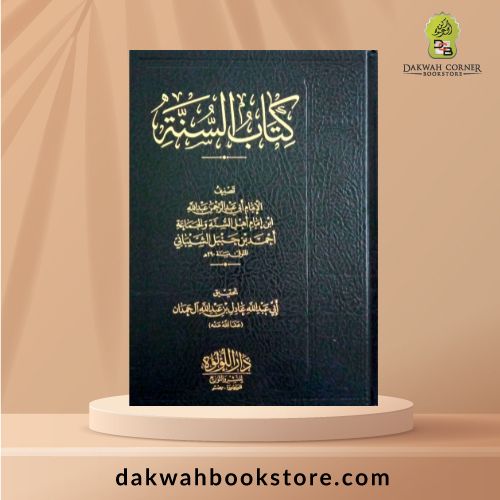
بدأ الكتاب بذكر أقاويل أهل السنة في الجهمية وتكفير من يقول بقولها
تناول في الباب الثاني الكلام في مسألة خلق الأفعال، وأثبت أن أفعال العباد مخلوقة، وقام بالرد على الجهمية في هذا
يعد الكتاب أصلًا من الأصول التي احتفظت لنا بجملة كبيرة من أقاويل أئمة السلف من الصحابة والتابعين في فرقة الجهمية ومن قال بقولها، وبيَّن لنا الكتاب كذلك الطريقة المثلى في الرد على أهل البدعة.
يلاحظ كذلك كثرة تعليقات المصنف على ما يورده من نصوص، وأنه لم يكتف بسرد النصوص فحسب، بل كانت له كذلك ردود على الشبهات التي يلقيها الجهمية
الثاني المتوسط:
– الفصل الأول: من: أول باب (قول الله تعالى: حتى إذا فزع عن قلوبهم). – إلى: آخر باب (ما جاء في حماية المصطفي صلى الله عليه وسلم جناب التوحيد).
– الفصل الثاني: من: أول باب (ما جاء أن بعض هذه الأمة يعبد الأوثان). – إلى: آخر باب (ما جاء في قول الله تعالى: وعلى الله فتوكلوا).
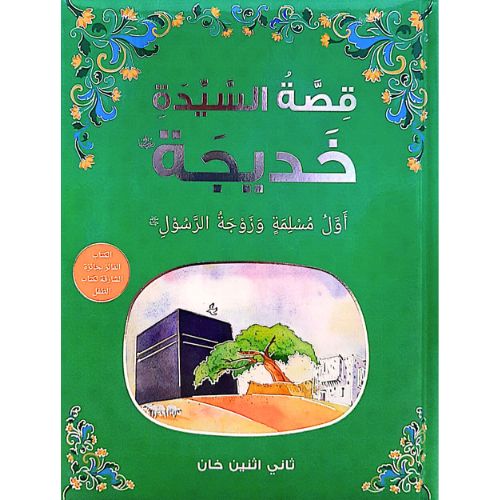
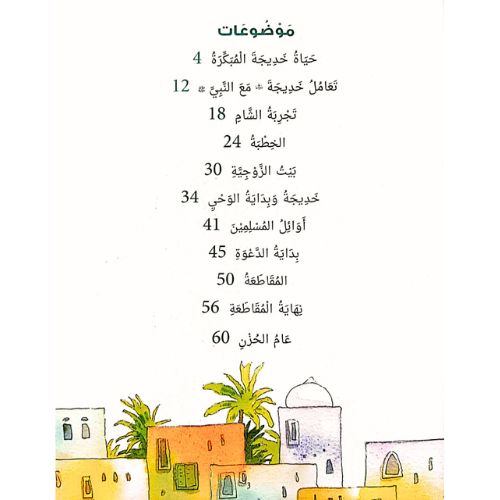
قال النبي : في فَضْلِ خديجَةَ: “خير نسائها مريم ابنة عمران وخير نسائها خديجة. تُمَثْلُ سِيْرَةُ السَّيدَةِ خديجَة مَصدَرَ إِلْهَامٍ كَبِيرٍ وَتَذْكِيرٍ لِلْمُؤْمِنينَ بِأَنْ تَكونَ لِحَياتِهمْ أهدافُ سامِيَة، وَفِي كُلِّ صلاةٍ عَلَينا أَنْ نَتَذَكَّرَ خديجة وآل النبي جَميعاً، وذَلكَ لِعُلُو مَكانتهم، وَلِما قَدَّمُوهُ مِن تضحياتٍ كانت سَبَبَاً لِحِفْظِ القُرآن الكريم، وَوُصُول الإسلام إلى أرجاء العالم كُلُّها. رضي الله عنهم أجمعين.
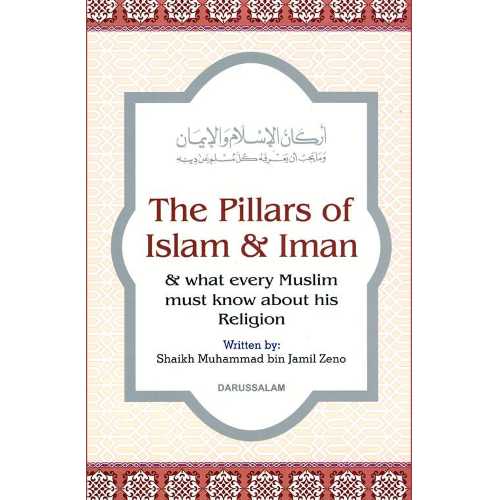
A pillar of Islam and Iman book that covers the fundamental constituents of Islam – Salat, Saum, Hajj, Zakat etc. The complete guide on the basic teachings and foundations of Islam.
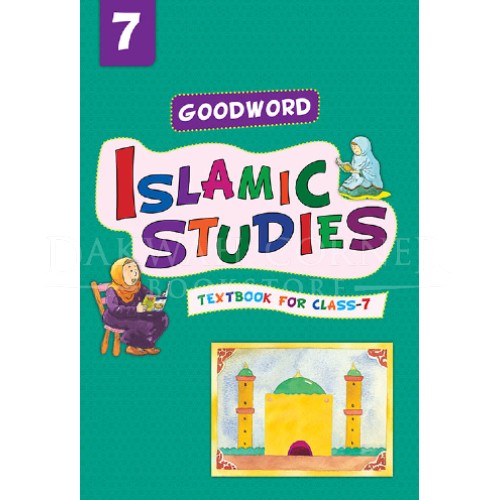
This course has been designed to present the young students comprehensive Islamic education, comprising general Islamic knowledge based on the Quran and Hadith. Instead of teaching moral principles directly, they are taught through themes chosen from the Quran and other Islamic sources. A major portion of the course comprises the text of the Quran, which is followed by exercises to test the depth of understanding of the students. Though basically intended for use as a school text book, it is also an ideal tool for home schooling involving both the parents and the children. In this way children will nt only learn the ethical values conveyed by the message of Islam but will also be stimulated to want to know more about Islamic teachings when they grow up..
An introduction to the Sciences of the Qur’aan presents a detailed and thorough explanation of the sciences related to the history, understanding and implementation of the Qur’aan. The book provides the English reader with a detailed analysis of classic Muslim scholarship regarding: the process on Inspiration (Wahy); the various means of classifying verses of the Qur’aan; the history of the compilation of the Qur’aan; the meaning of the seven ahruf and the ten qira’aat of the Qur’aan; the miraculous nature of the Qur’aan; the concept of abrogation in the Qur’aan; the procedure and methodology of tafseer; and many other topics. The work has a number of sections dedicated to explaining the traditional Muslim refutations of certain belief of the Ash’arees with regards to the Qur’aan.
This book also includes detailed discussions on modern Western scholarship of the Qur’aan. After presenting a history of the English translation of the Qur’aan, along with a critical review of some translations, the author discusses and refutes common Orientalist polemic literature on the Qur’aan.
The work is unique in that it presents classical material in a simple and modern style, while maintaning a hight academic level. It is the most advanced work of its kind in the English language, and a necessary reference for all serious students of Islamic knowledge.
In The Right to Education, Work and Welfare in Islam Professor M.H. Kamali develops an Islamic perspective on three connected and complementary areas of rights and liberties. He urges that education is often a necessary ingredient of professional work even more so now than in earlier times when the range and variety of specialised knowledge were relatively limited. A person who acquires education, whether generally or at advanced levels of specialisation, is more likely to stand in a better position to enter the workforce and thus to contribute to the welfare of the community.
The author commences his discussions on education, work and welfare in Islam by focusing on how each is treated in the Qur’an; and follows this by the example of the Prophet and, after him, the Pious Caliphs who gave prominence to the education and welfare needs of people at times both of scarcity and affluence. Professor Kamali then moves forward to our time and discusses the right to education, the education of children, institutionalisation of learning, academic freedom and the debate between science and religion.
The section on work elaborates on the value of work, work ethics, workers’ and employers’ rights and responsibilities, and the role and responsibility of governments.
Finally, the section on welfare focuses on the importance in Islam of caring for those who are in need and the different forms of provision that can be made available by individuals, the state and charities.

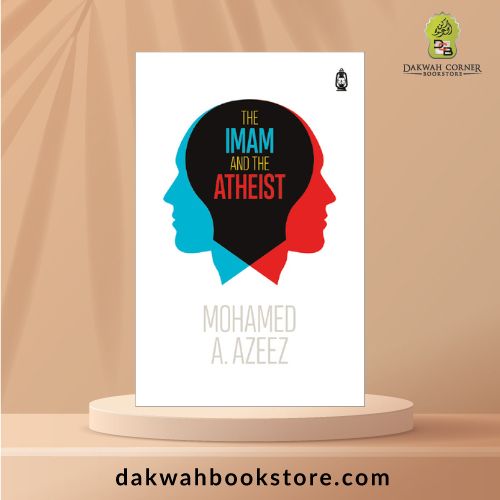
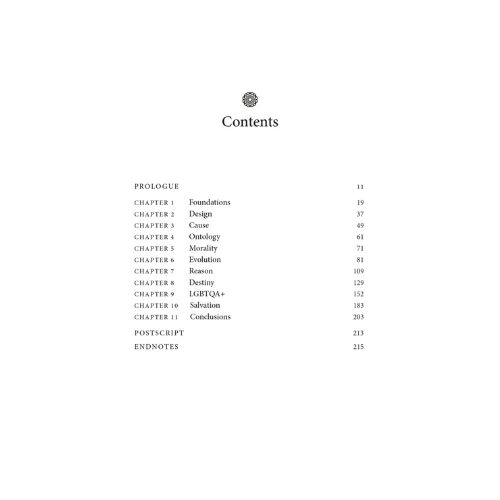
Social media has ushered in an era of hyper-individualism, where ethics change as frequently as Twitter’s top tags. Even though Islam is still the world’s fastest-growing religion, countless people refute their faith every day — citing Darwinism or the inexplicable suffering of the human spirit.
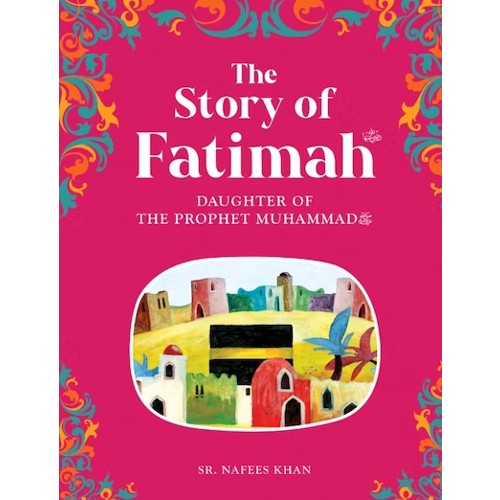
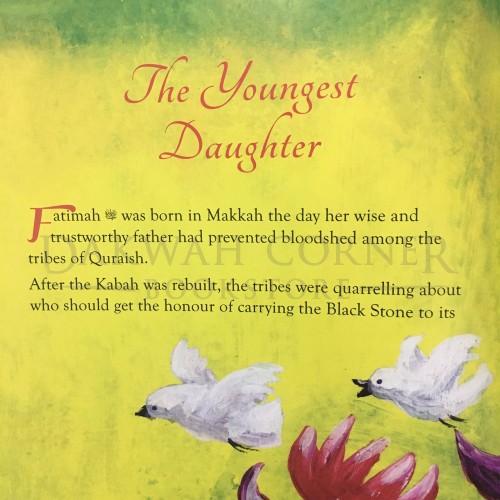
“The manners, speech, accent, the way of sitting and standing and walking of Fatimah were exactly like that of the Prophet…”
Get access to your Orders, Wishlist and Recommendations.
Your personal data will be used to support your experience throughout this website, to manage access to your account, and for other purposes described in our privacy policy.
Shopping cart is empty!
Select at least 2 products
to compare