

![[AGB] Sarir al Aqlām / صرير الأقلام](https://shop.dakwahbookstore.com/wp-content/uploads/2024/12/TARIQ-11.jpg)
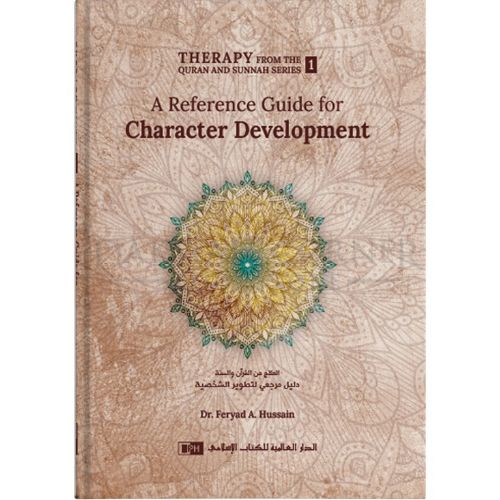
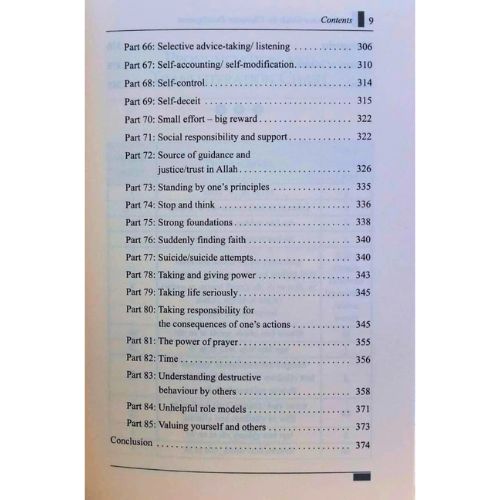
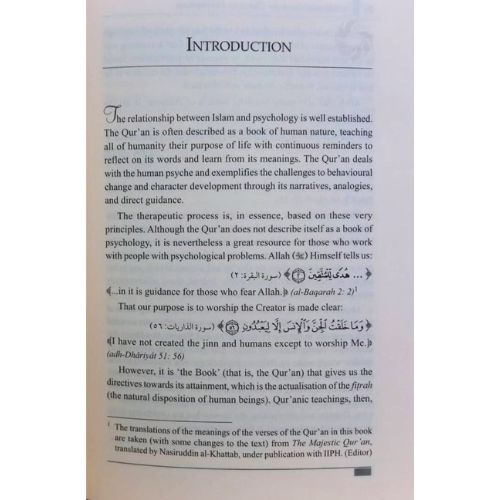
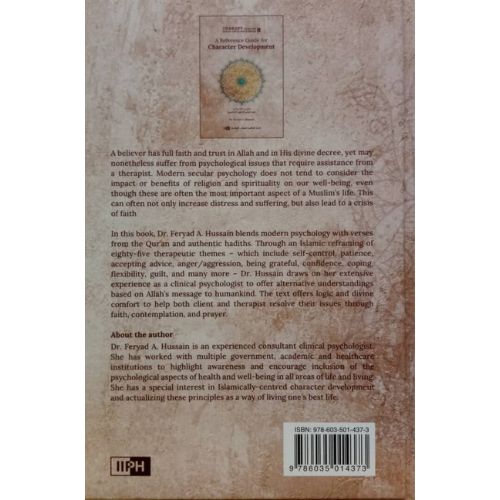
In A Reference Guide for Character Development, Dr. Feryad A. Hussain blends modern psychology with verses from the Qur’an and authentic hadiths. Through an Islamic reframing of eighty-five therapeutic themes – including self-control, patience, accepting advice, anger/aggression, being grateful, confidence, coping, flexibility, guilt, and many more – Dr. Hussain draws on her extensive experience as a clinical psychologist to offer alternative understandings based on Allah’s message to humankind. The text provides logic and divine comfort to help clients and therapists resolve their issues through faith, contemplation, and prayer.
A Reference Guide for Character Development (Therapy from the Quran and Sunnah-1)
RM75.00
Hurry up, Only 1 left.

Frequently Bought Together
1 Item
RM75.00
2 Add-Ons
RM135.00
Total
RM210.00
Additional information
| Weight | 0.600 kg |
|---|---|
| Dimensions | 22.5 × 14.5 × 2 cm |
| Author | |
| Binding | Hardcover |
| ISBN | 9786035014472 |
| Pages | 400 |
| Publisher | IIPH |
Reviews (0)
Be the first to review “A Reference Guide for Character Development (Therapy from the Quran and Sunnah-1)” Cancel reply
You must be logged in to post a review.
You may also like…
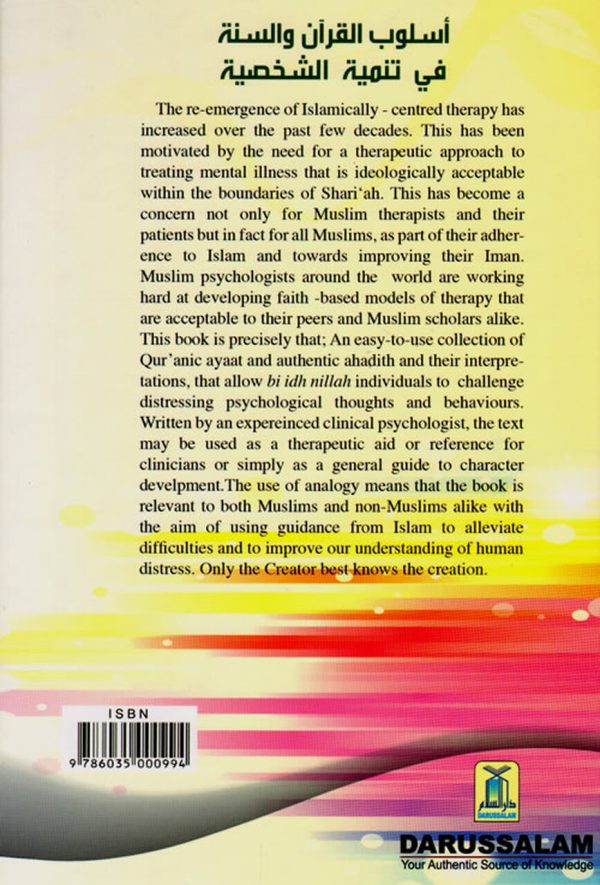
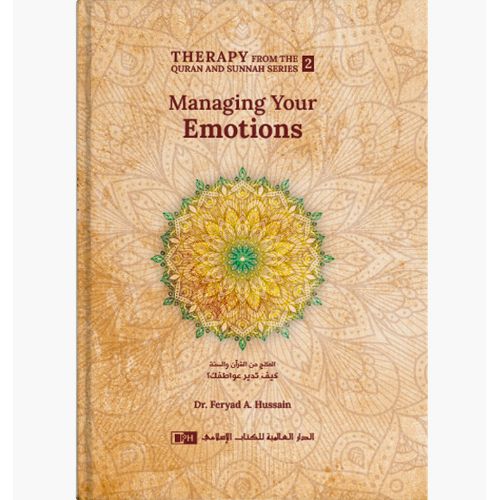
Therapy from the Qur’an and Ahadith (H/B)
Highlights:
The re-emergence of Islamically – centred therapy has increased over the past few decades. This has been motivated by the need for a therapeutic approach to treating mental illness that is ideologically acceptable within the boundaries of Shari’ah. This has become a concern not only for Muslim therapists and their patients but in fact for all Muslims, as part of their adherence to Islam and towards improving their Iman. Muslim psychologists around the world are working hard at developing faith -based models of therapy that are acceptable to their peers and Muslim scholars alike. This book is precisely that; An easy-to-use collection of Qur’anic ayaat and authentic ahadith and their interpretations, that allow bi idh nillah individuals to challenge distressing psychological thoughts and behaviors. Written by an experienced clinical psychologist, the text may be used as a therapeutic aid or reference for clinicians or simply as a general guide to character development. The use of analogy means that the book is relevant to both Muslims and non-Muslims alike with the aim of using guidance from Islam to alleviate difficulties and to improve our understanding of human distress. Only the Creator best knows the creation.
RM46.00
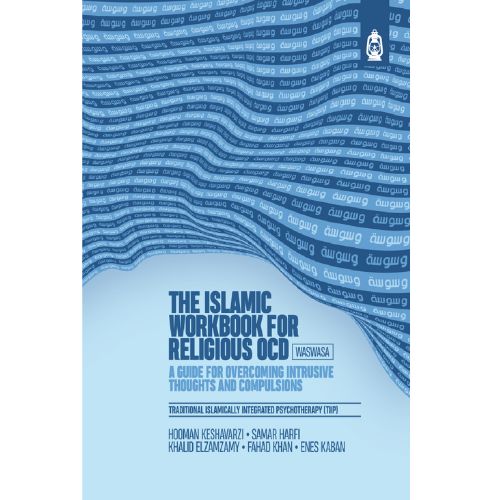
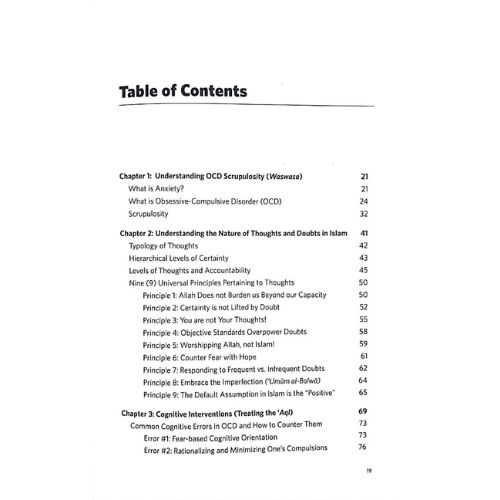
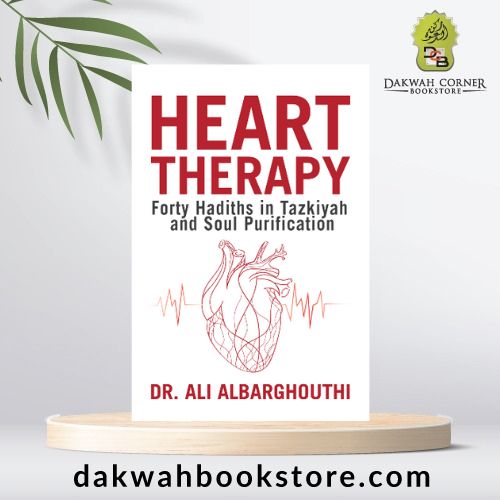
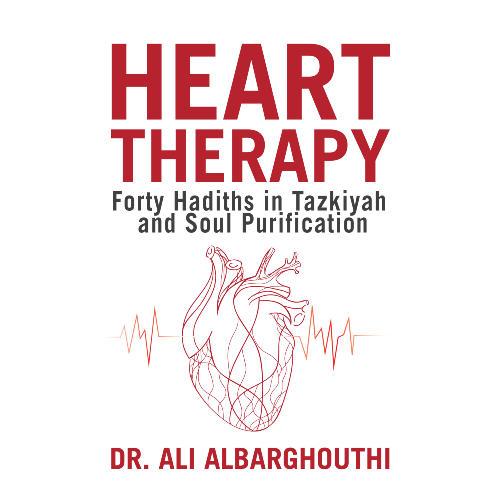
Heart Therapy by Dr. Ali Albarghouthi
Highlights:
This book attempts to revive authentic Islamic spirituality based on the Quran and Sunnah by collecting and explaining forty hadiths on the diseases of the heart and the purification of the soul.
RM69.00
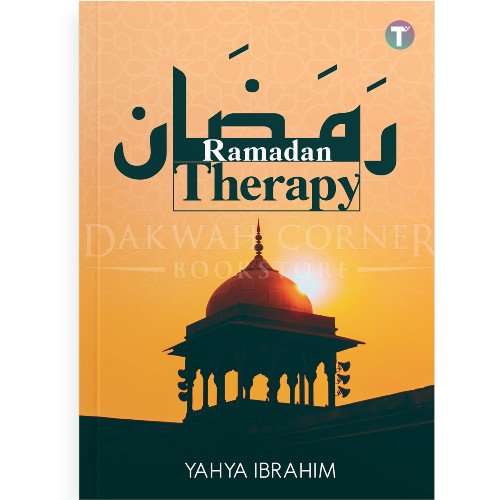
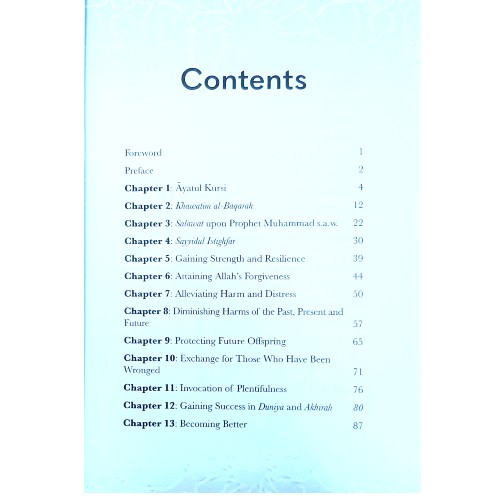
Ramadan Therapy
Highlights:
For every situation, Prophet Muhammad S.A.W. has prescribed various Du’a that can be read throughout Ramadan and even after it, as a form of therapy. It is with hope and faith that positive changes can come out of this beloved month of Ramadan to those who seek it.
RM60.00
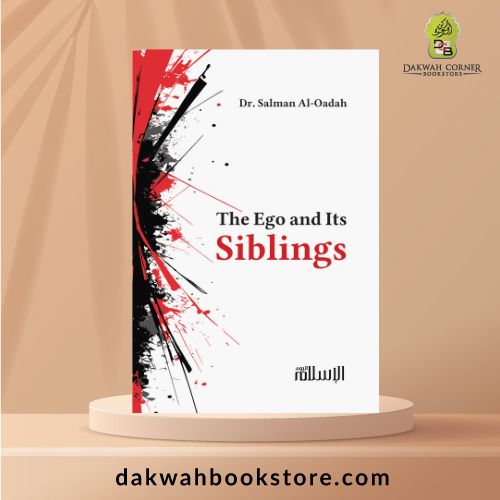
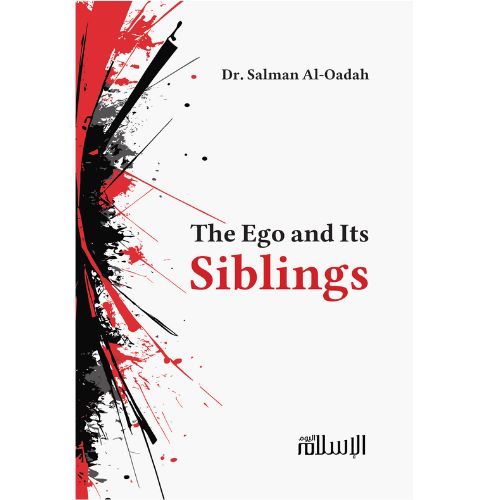
The Ego and Its Siblings
Highlights:
From the very first moment, the reader embarks on a journey into the depths of their own self, attempting to strip away the “makeup” of pretense and the debris of neglect. This journey illuminates the gray area between the true self and its image, seeking ways to break free from the inflated “ego,” akin to “shock” therapy.
RM46.00
Related Products
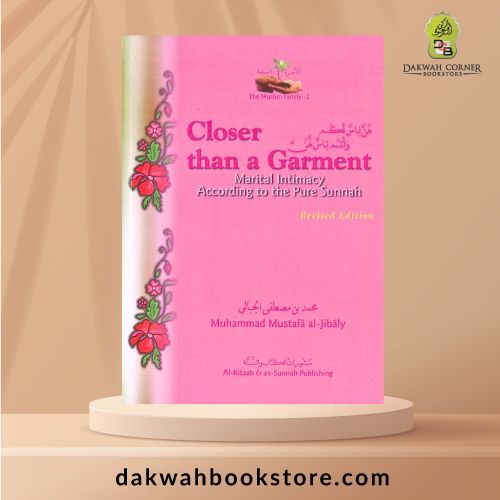
Closer Than A Garment (P/B)
4 ★
4 ★
1 Rating
5 ★
0
4 ★
1
3 ★
0
2 ★
0
1 ★
0
RM41.00
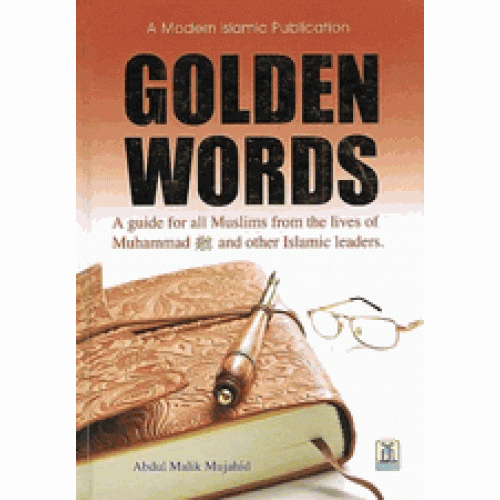
Golden Words (H/B)
5 ★
5 ★
1 Rating
5 ★
1
4 ★
0
3 ★
0
2 ★
0
1 ★
0
Highlights:
Islam has declared this world and life as a test case for human beings. To live a successful life, Allah SWT has sent His Divine Teachings to help humans understand what to do and what not. This book “Golden Words (Golden Stories) consists of short stories and incidents that occurred during the life time of Prophet (Peace be upon him), Rightly Guided Caliphs, Salf-us-Saleheen, renowned kings/ rulers and other shining stars of the Islamic history. The purpose of these short stories is simple; providing real-life lessons to the readers.
The book provides a clear understanding of our ancestors, their thorough and firm knowledge, their intelligence, proper comprehension, modesty, sacrifices and their endeavors to elevate the truth. This is particularly rewarding book for youngsters that will find it a helping hand in living as per Islamic principles.
RM90.00
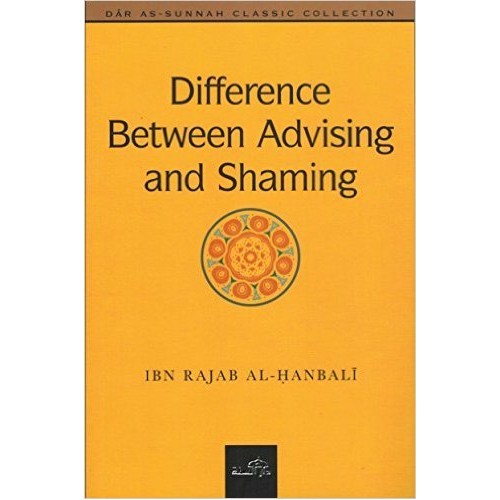
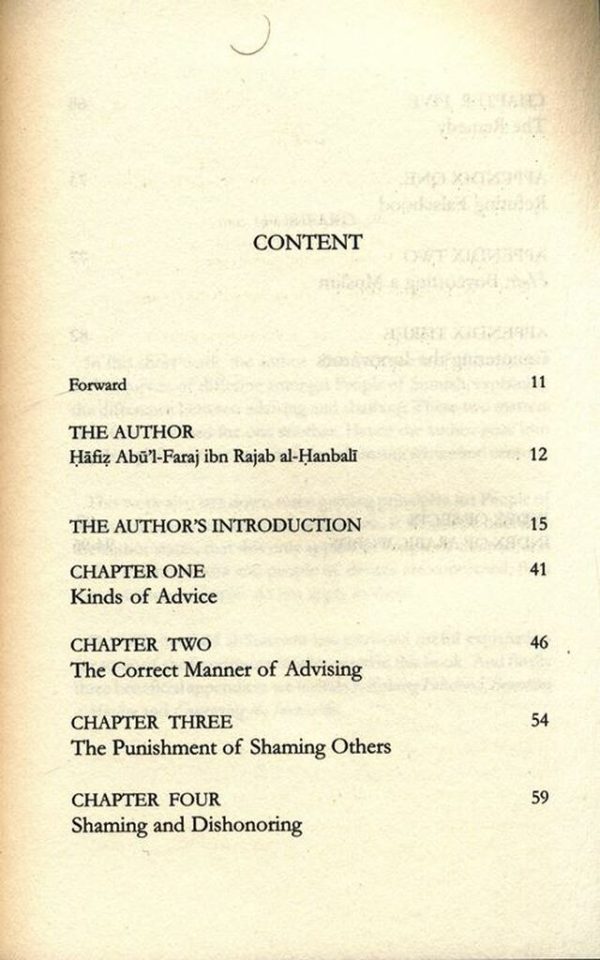
Difference Between Advising And Shaming ( Dar as-Sunnah)
4.5 ★
4.5 ★
2 Ratings
5 ★
1
4 ★
1
3 ★
0
2 ★
0
1 ★
0
Highlights:
[This book] beautifully illustrates the difference between advising that is encouraged and shaming that is not permitted.
RM40.00
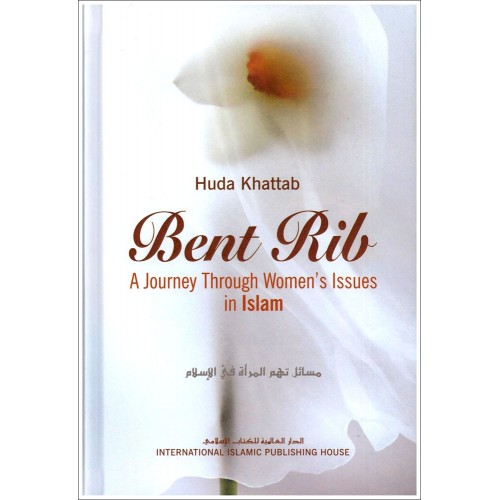
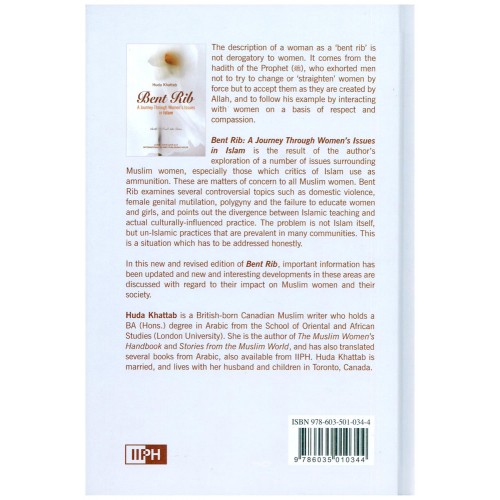
Bent Rib: A Journey Through Women’s Issues in Islam (H/B)
5 ★
5 ★
1 Rating
5 ★
1
4 ★
0
3 ★
0
2 ★
0
1 ★
0
Highlights:
This book examines the role of women in Islam, their education and marriage, and several controversial topics such as domestic violence, female genital mutilation and polygyny. It addresses honestly the divergence between Islamic teaching and actual culturally-influenced practices.
RM40.00
100 Ahadith about Islamic Manners
4 ★
4 ★
2 Ratings
5 ★
0
4 ★
2
3 ★
0
2 ★
0
1 ★
0
Highlights:
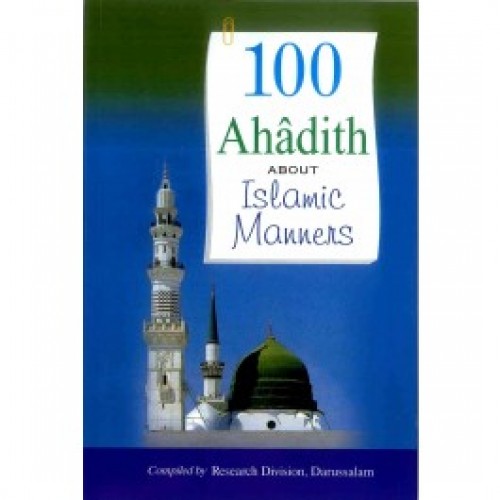
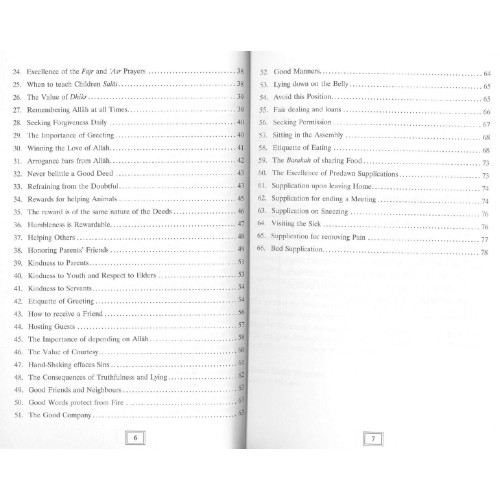
An extract of 100 Ahadith from famous collections of Ahadith (Sahih Al Bukhari, Sahih Muslim, At-Tirmidhi, Riyad-us-saliheen and others). The distinguishing feature of this book is the selection of its chapters that persuade the good morals and behaviour.
A moral and spiritual revolution begins to happen in the mind and conduct of the readers as their study progresses. We hope that this selection of Ahadith will initiate the readers to follow Islamic teachings throughout their life.
RM11.00
Golden Stories of Accepted Prayers
5 ★
5 ★
1 Rating
5 ★
1
4 ★
0
3 ★
0
2 ★
0
1 ★
0
Highlights:
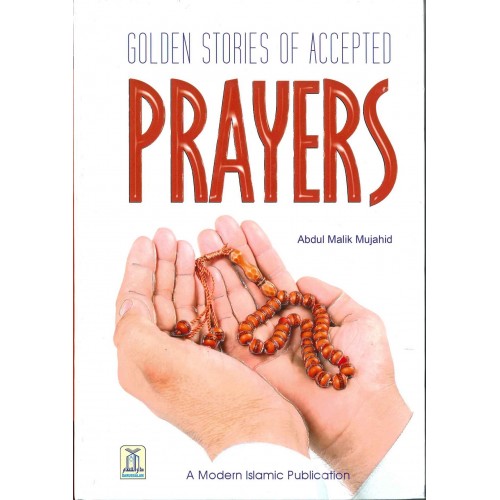
What are invocations? In a real sense these are requests which come from the bottom of our hearts to Allah Almighty. Allah is always ready and happy to receive prayers from anyone at any time.
If you’re facing any difficulties or trouble you should immediately turn to Allah for help. The best invocations are those narrated by the Prophet (S). If you don’t speak Arabic, you can pray in your mother tongue.
When we pray we should feel assured that Allah will accept our requests. We should do so with complete sincerity and devotion.
Prayers can be made at any time, but there is a greater possibility our prayers will be accepted if we do so at specific times.
RM68.50


33 Ways of Developing Al-Khushoo`: Humility and Devotion in Prayer
5 ★
5 ★
1 Rating
5 ★
1
4 ★
0
3 ★
0
2 ★
0
1 ★
0
Highlights:
Shaykh Muhammad Salih al-Munajjid’s little book is perhaps one of the most widely-circulated among Muslims today. This is because the topic touches worshippers where it hurts—we know that we often lapse into an automatic sort of prayer when we lose concentration. The Shaykh points out that this loss of concentration really stems from a lack of humility and devotion—in Arabic, khushoo‘. His aim in writing this book is to help us to get back that khushoo‘. His step-by-step approach makes it simple. He gives practical advice and uses the excellent example of the prayer of the Messenger of Allah (blessings and peace be upon him) to guide us, so that as worshippers, we can truly return to a state of humility and devotion before the Lord.
RM15.00


Backbiting and Its Adverse Effects
4 ★
4 ★
1 Rating
5 ★
0
4 ★
1
3 ★
0
2 ★
0
1 ★
0
Highlights:
This is a revised and updated edition of Backbiting (formerly entitled Gossip and its Adverse Effects). The translator, Huda Khattab, explains: The Qur’an states: {…nor speak ill of each other behind their backs. Would any of you like to eat the flesh of his dead brother? No, you would abhor it…} (Qur’an 49: 12) We cannot escape the fact that backbiting affects us all. We have all been victims and, we must be honest, we have all been guilty of this sin. But it is not a matter to be taken lightly; backbiting can wreck lives and shatter communities. Islam is a practical faith that recognizes the human condition and offers achievable remedies to the problems that beset us. Every human society faces the problem of backbiting, and Islam shows us how to tackle it in a sensible and humane manner. Husayn al-Awayishah has researched this topic in depth, and has presented a concise guide to the evils of backbiting and what can be done about it. This book may make for uncomfortable reading, but the topic is one that every one of us has to face up to.
RM11.00
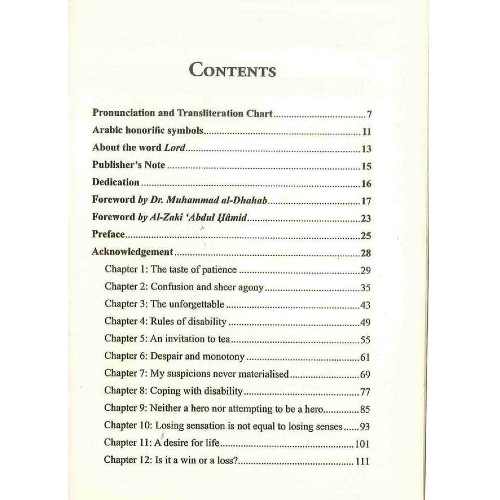
A Taste of Patience
3 ★
3 ★
1 Rating
5 ★
0
4 ★
0
3 ★
1
2 ★
0
1 ★
0
Highlights:
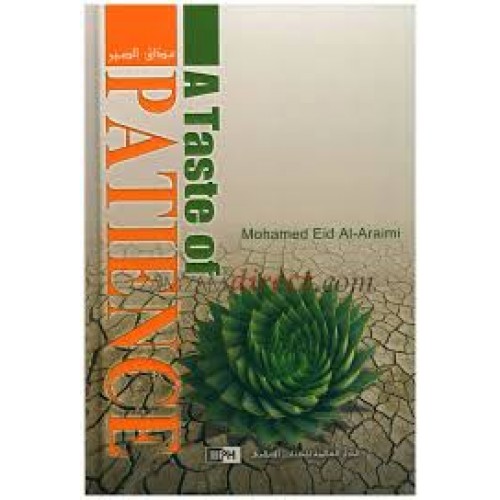
The writer is a survivor of an accident that altered his life. He is a man who managed to overcome adversity and transform bitterness into personal success, as his literary gains outweighed his physical restrictions. Where his physical condition limited his movements, his creative writing opened up a new horizon that enabled him to freely interact with his readers.
This is a real-life account of how a human being can overcome obstacles, giving effect to the epithet: ‘What does not kill me makes me stronger.’ The autobiography defines patience in two ways: first, as a bitter experience and then second, as the ability to tolerate and turn one’s misfortune into investment. The accident that the writer suffered has paralysed his body, but at the same time it has unleashed his writing talents. (Yousef el-Sharoni, Egypt)
RM38.00
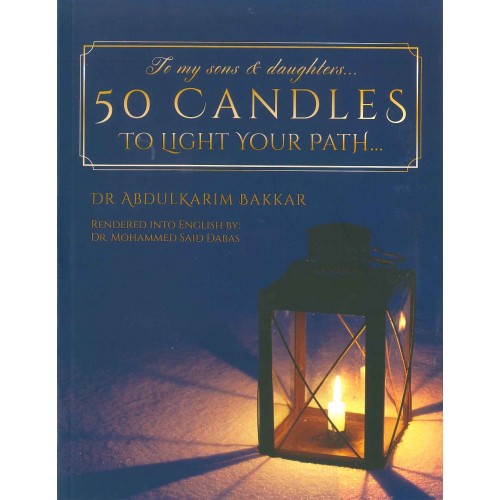
50 Candles To Light Your Path (P/B)
5 ★
5 ★
2 Ratings
5 ★
2
4 ★
0
3 ★
0
2 ★
0
1 ★
0
Highlights:
One goal brings them together : how to improve the well-being of our sons and daughters, how to aid them towards threading the path of guidance to engender their excelling in their academic, work and other facets of life.
RM36.00
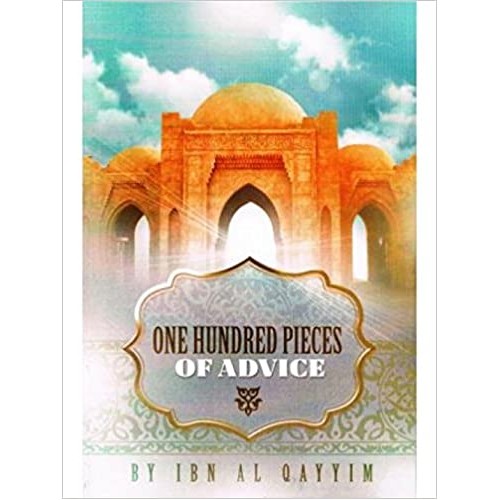
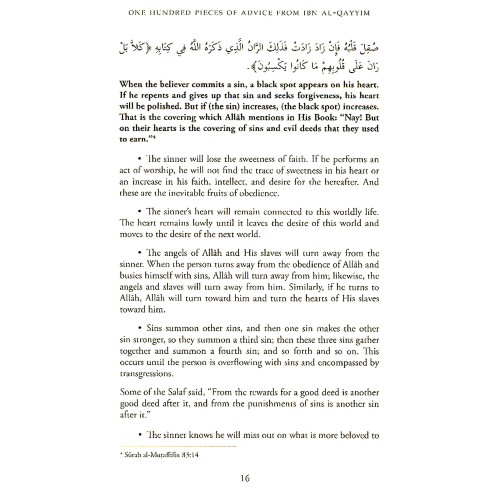
One Hundred Pieces of Advice
3 ★
3 ★
1 Rating
5 ★
0
4 ★
0
3 ★
1
2 ★
0
1 ★
0
Highlights:
One hundred treasured advices extracted from the writings of the illustrious scholar, Imām Ibn al-Qayyim (may Allāh have mercy upon him): Ten ways to acquire Allāh’s love Ten ways to be patient and avoid sins Ten ways to be patient during a calamity Ten benefits to lowering your gaze Ten ways sins are expiated Ten barriers between the slave and his Lord Ten reasons knowledge is not put into action Ten ways to open your heart Ten ways to protect against envy Ten ways to protect against the plots of the Shayṭān
RM48.00
Excellence of Patience & Gratefulness
5 ★
5 ★
1 Rating
5 ★
1
4 ★
0
3 ★
0
2 ★
0
1 ★
0
Highlights:
This book is written to highlight the necessity and the pressing need to pursue these two qualities and to illustrate that happiness in this world and the Hereafter is dependent on them. It is intended to be a comprehensive, extensive and useful book.
RM65.00
Recently Viewed
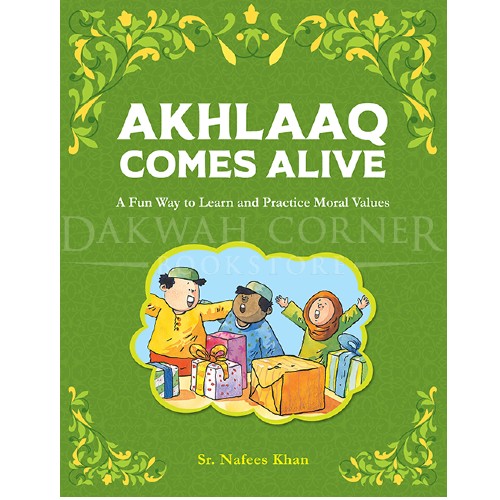
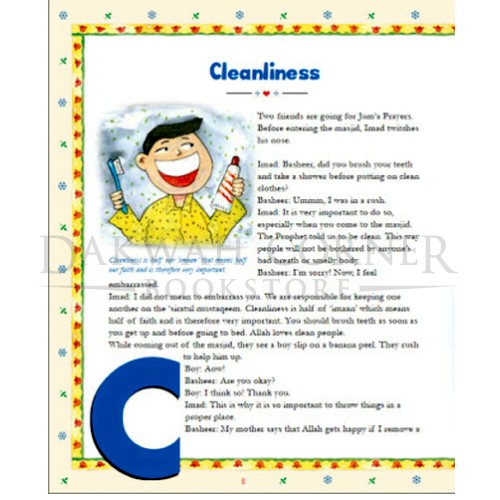
Akhlaaq Comes Alive (P/B)
Highlights:
Often elders find it difficult to find a fun way to teach children akhlaaq, that is, moral values and good manners in Islam. All About Akhlaaq, being a fun book, will aid them in this. Designed for use at home and school, it covers a wide range of moral issues and the occasions in daily life when good manners are essential. Colourful and story-filled, with an easy-to-use format and short skits, it will give a better understanding of each akhlaaq by encouraging children, parents and teachers to engage in role playing. Each theme, listed alphabetically, is expressed in simple language and has attractive illustrations on every page. What better way to learn akhlaaq than by acting it out! So, be active and practice akhlaaq!
RM25.00
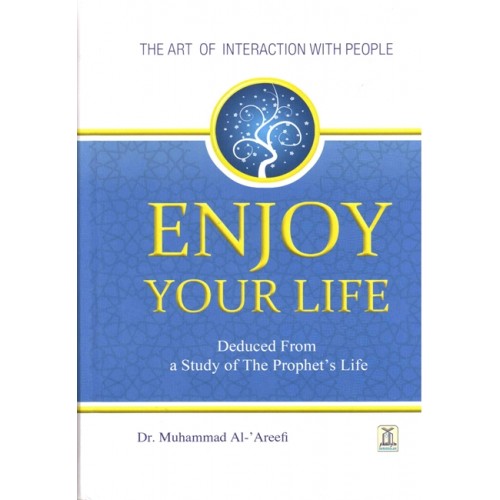
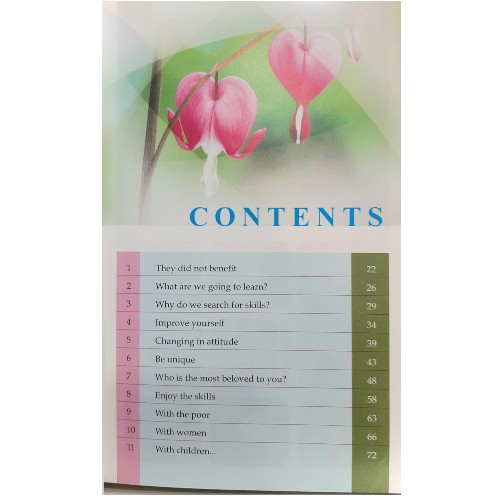
Enjoy Your Life (Full Color) – Darussalam
Highlights:
This is an exquisite collection of incidents from the life of the Prophet (S), stories from our Islamic Heritage, and thought-provoking anecdotes from the life of the author. The aim of the book is to train the reader to enjoy living his life by practicing various self-development and inter-personal skills. What is so compelling and inspiring about this book is that, in order to highlight the benefit of using social skills, the author draws from the lives of the Prophet (S) and his Companions. This book is both a practical systematic guide to self-improvement and a treasure trove of historical incidents. It increases self-awareness, whilst nurturing the soul and strengthening the spirit. The books author is a prominent figure in the field of Islamic Dawah and has authored more than twenty published works.
RM82.00
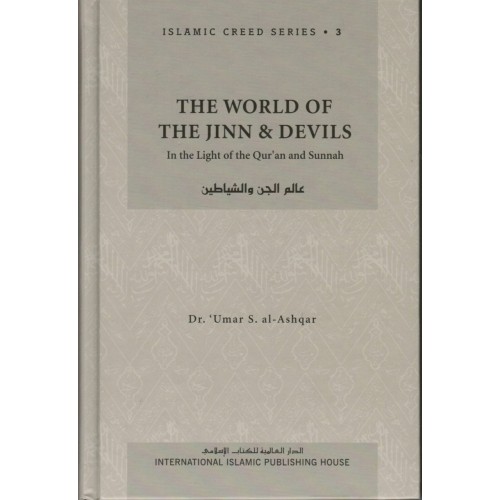
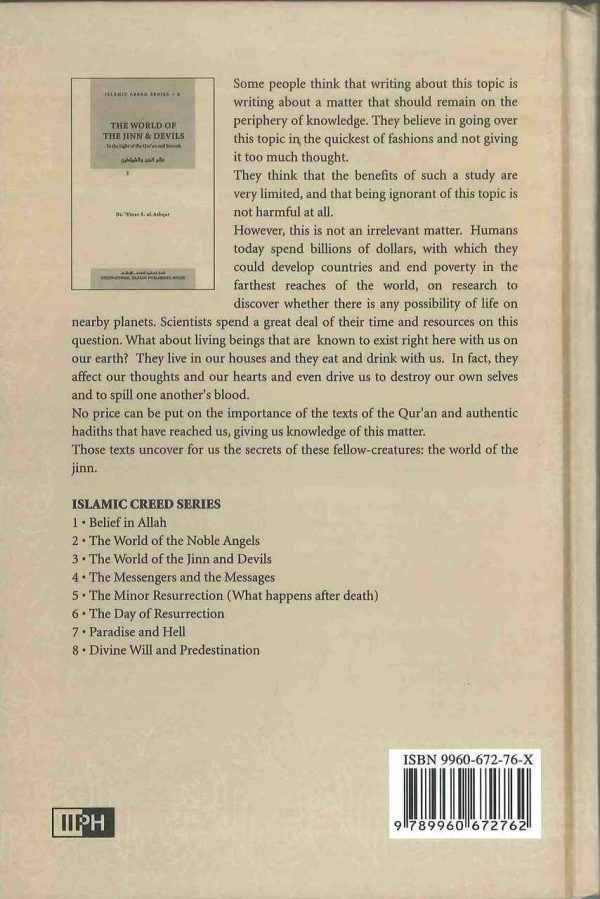
The World Of The Jinn & Devils – Islamic Creed Series 3
Highlights:
Aqidah and Creed
RM60.00
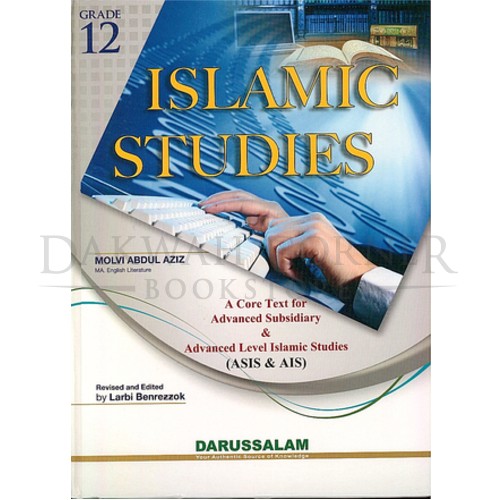
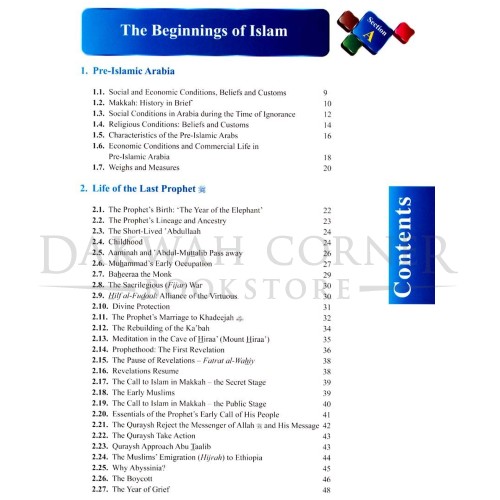
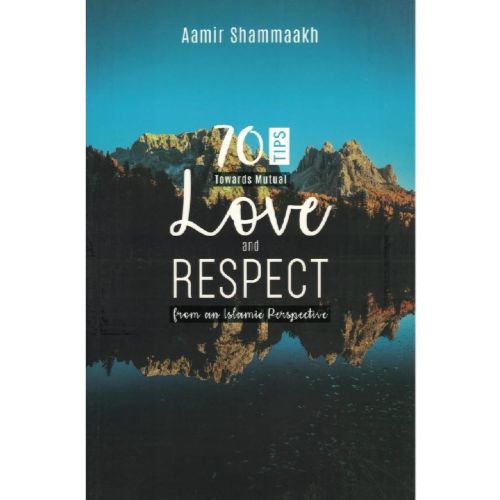
70 Tips to Win Mutual Love and Respect
5 ★
5 ★
2 Ratings
5 ★
2
4 ★
0
3 ★
0
2 ★
0
1 ★
0
RM18.00 RM27.00
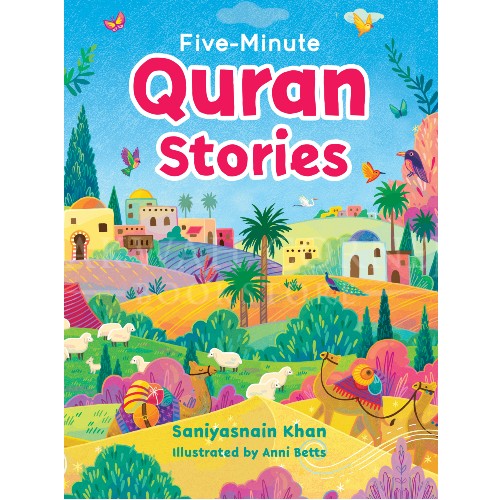
Five-Minute Quran Stories (H/B)
Highlights:
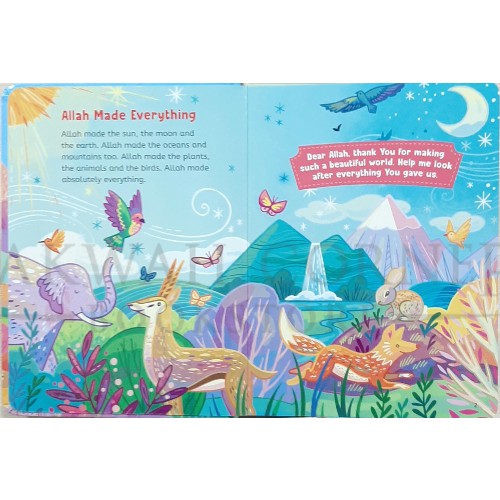
To help shape your child’s spiritual growth, this wonderful collection of Five-Minute Quran Stories is a perfect gift to inspire your little ones. Written in simple, short and engaging language, this treasure trove of Five-Minute Quran Stories is perfect to read aloud with the whole family. Featuring colourful and imaginative illustrations by Anni Betts, these stories are a marvellous early introduction to the wisdom of the Quran.
RM60.00
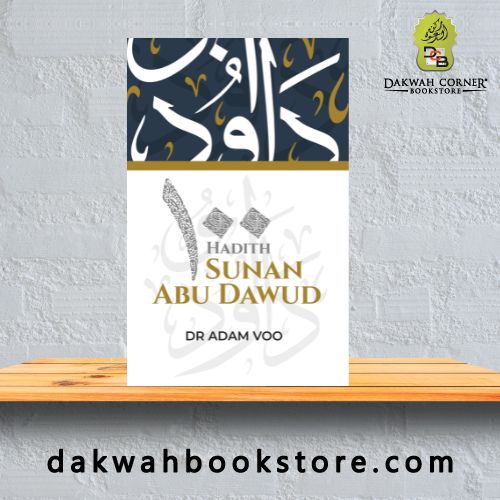
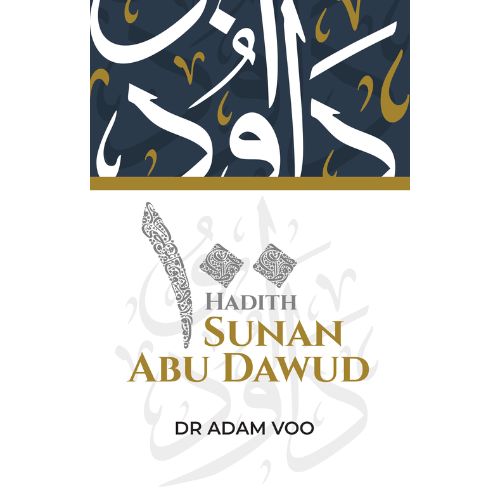
100 Hadith Sunan Abu Dawud (Revised Edition 2025)
5 ★
5 ★
1 Rating
5 ★
1
4 ★
0
3 ★
0
2 ★
0
1 ★
0
RM35.00
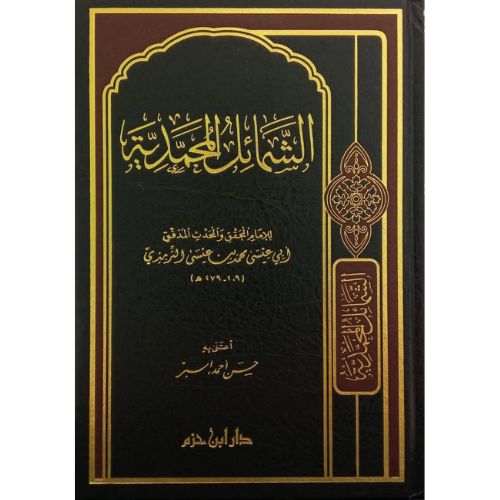
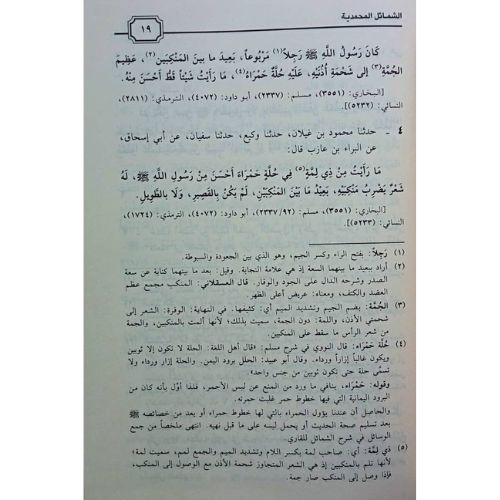
[SB] Ash-Shama’il al-Muhammadiyyah / الشمائل المحمدية
Highlights:
الشرح الميسر على ألفية ابن مالك في النحو والصرف – د. عبد العزيز بن علي الحربي
RM40.00

Summarized Sahih Al Bukhari – Large Size
Highlights:
Sahih Al-Bukhari covers almost all aspects of life in providing proper guidance from the messenger of Allah. Translated into English in a very easy & simple language, so that all readers can understand it without difficulty. All Muslim Scholars agree that Sahih Al-Bukhari is the most authentic book after the Qur’an. The Summarized Bukhari is condensed into about 1000 pages by selecting a few Hadith from the original 9-Volume which has about 4000 pages. This book contains about 2220 Hadith.
RM100.00
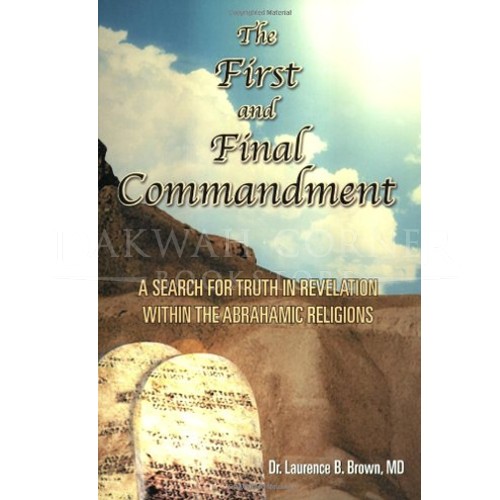
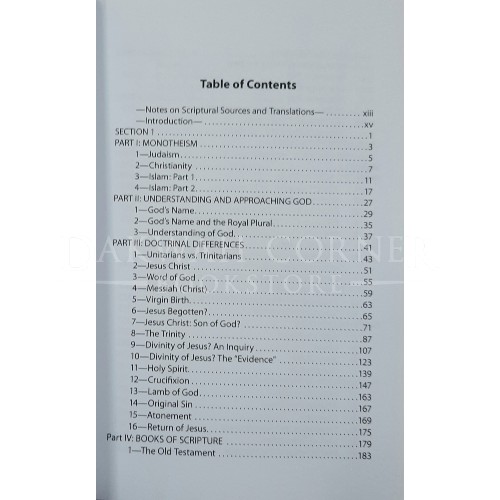
The First and Final Commandment (2nd Edition)
Highlights:
“A search for truth in revelation within the Abrahamic religions.”
RM165.00
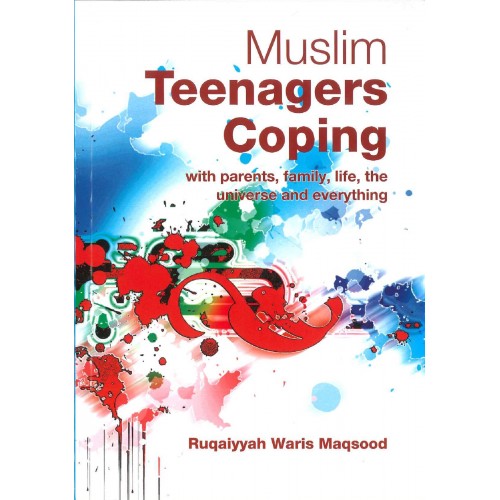
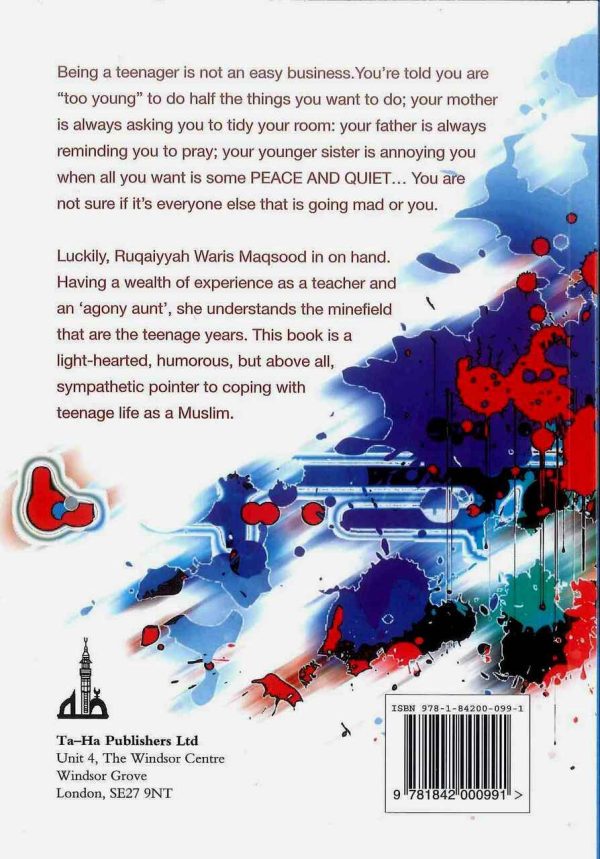
Muslim Teenagers Coping (P/B)
Highlights:
Being a teenager is not an easy business.You’re told you are “too young” to do half the things you want to do; your mother is always asking you to tidy your room: your father is always reminding you to pray; your younger sister is annoying you when all you want is some PEACE AND QUIET … You are not sure if it’s everyone else that is going mad or you.
Luckily, Ruqaiyyah Waris Maqsood in on hand. Having a wealth of experience as a teacher and an ‘agony aunt’, she understands the minefields that are the teenage years. This book is a light-hearted, humorous, but above all, sympathetic pointer to coping with teenage life as a Muslim.
RM46.00
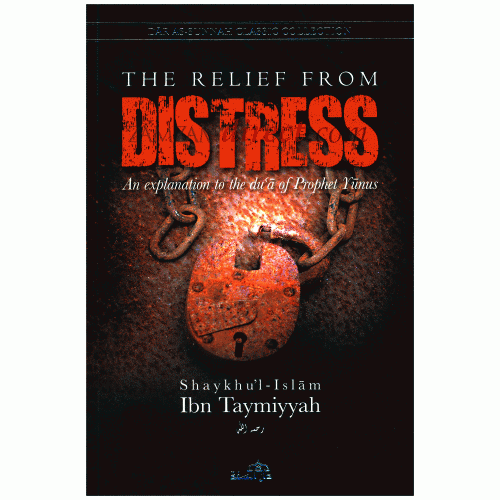
The Relief From Distress : An Explanation to the dua of Prophet Yunus (P/B)
Highlights:
Shaykh al-Islam Ibn Taymiyyah, may Allah sanctify his soul, was asked about the saying of the Prophet (pbuh),
The invocation of my brother Yunus, “none has the right to be worshipped save You; glory be to You, far removed are You from any imperfection; I have been amongst the wrong-doers,” none who is experiencing difficulty employs it except that Allah would relieve him of his difficulty.
What is the meaning of this du’a (prayer, supplication)?
Are their any unstated conditions that have to be met when one articulates it?
What is the connection between belief in the heart and the meaning of this supplication such that it leads to the removal of difficulty?
Why did he explicitly confess, ‘I have been amongst the wrong-doers’ when it is known that tawhid in itself leads to the removal of difficulty?
Is it sufficient to acknowledge ones’ sin alone, or must this be accompanied by repentance and the firm resolve not to repeat that sin in the future?
Why is it that difficulty and harm is removed only when a person relinquishes any hope, reliance and dependency upon the creation?
How can the heart relinquish the characteristic of putting hope in the creation and depending on them, and instead put its hope in Allah, Exalted is He, and turn to Him in its entirety?
What are the methods that would aid the heart in doing this?
The author replies to these questions in the form of this book.
RM117.00
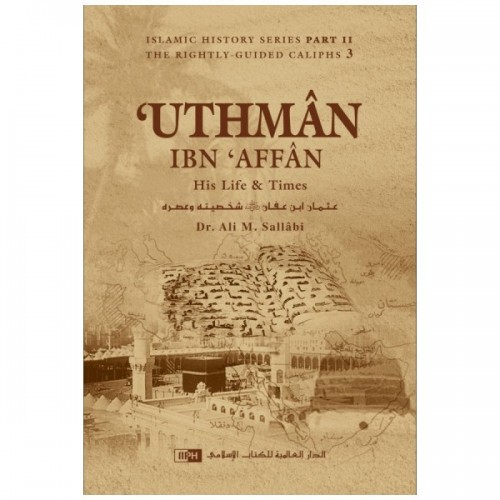
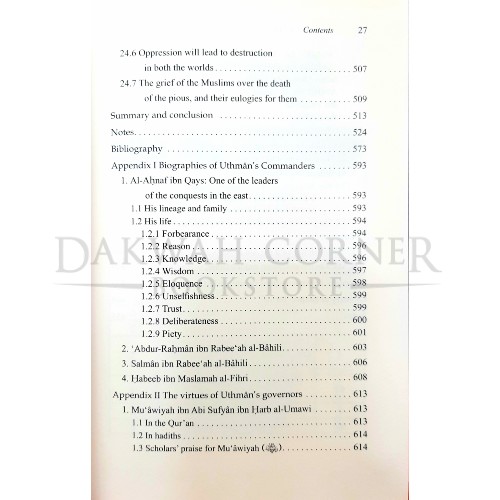
Uthman Ibn Affan His Life and Times (IIPH)
Highlights:
By Dr. Ali Muhammad As-Sallabi
In today’s crisis-ridden world, amidst the numerous internal and external forces striking at the roots of Islam, Muslims are truly hard pressed to find strong and competent leaders. This has not always been the case, though. Examples of first-rate leaders are plentiful in Islamic history.
The life and times of Uthmân ibn Affân, as detailed in this book by Dr. Ali M. Sallâbi, truly illustrate the characteristics of exemplary leaders along with the commendable qualities of those under them. This account of how Uthmân ibn Affân, the third Rightly-Guided Caliph, expanded the Islamic state, compiled the Qur’an into a single edition, and, finally, dealt with the turmoil that engulfed the Ummah, makes for a very enlightening read. The author has also given us insight into the life of Dhun-Noorayn (Uthmân, the ‘Possessor of the Two Lights’) before he became the caliph. Readers discover his attachment to the Prophet (sa), his relationship with the Qur’an and his generous financial contributions towards the founding of the Islamic state. All in all, this book will prove to be a valuable resource on Islamic history.
RM90.00
There are no reviews yet.