


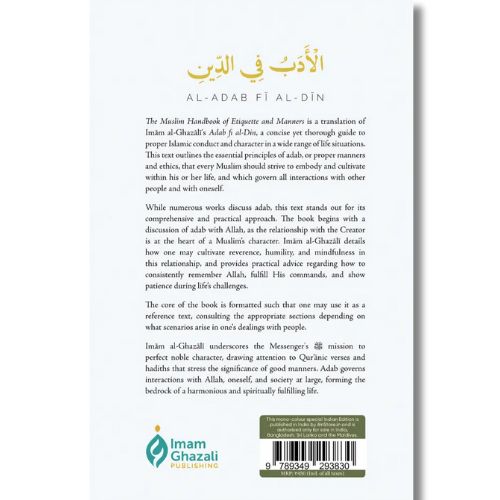




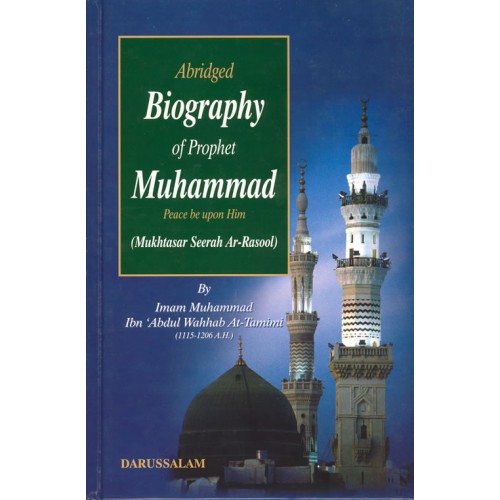
The core of the book is a sort of practical manual of adab, and includes sections on such everyday issues as:
The Adab of the Scholar, Student, Reciter of the Qur’an, Muhaddith, Khatib, and many other roles related to worship and seeking knowledge
Adab of fasting, eating, drinking, giving and receiving charity, giving and receiving gifts, and of being wealthy or poor
Adab of sleep, waking, being in public and in social gatherings, and other ordinary life situations
Adab of husbands and wives, parents and children, and other relationships
Adab of some common professions
Most individual sections occupy no more than one page, with some requiring only a short paragraph to cover the essential issues that guide one’s approach to each scenario. The book then concludes with a discussion of universal adab, a general discussion that applies to many disparate areas of life.
Regarding the sources of our knowledge of adab, as well as its significance in the life of a believer, the Imam writes:
The most perfect and lofty character as well as the best and most splendid of actions is to have adab [good manners] as [explained by] the religion. It is for the believer to emulate the actions of the Lord of the Worlds, as well as the character of the prophets and messengers. Allah, the most High, has refined our manners through His exposition of the Quran as well as through His Prophet Muhammad ﷺ by commanding us to [adhere to] his sunna. [We owe Him] for this benevolence. He has also refined our manners through the companions, their successors, as well as the people of adab from amongst the believers, by obligating us to emulate them.





There are no reviews yet.