| Weight | 1.07 kg |
|---|---|
| Product Type | Book |
| Author | |
| Publisher | IIUM Press |
| Pages | 534 |
| ISBN | 978-967-5272-81-3 |
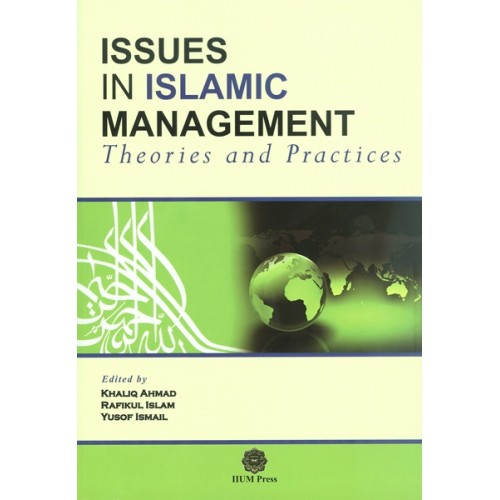
Issues In Islamic Management Theories and Practices (P/B)
Next product

Istihsan (P/B)
RM57.00
RM77.00
Out of Stock
somdn_product_page
Compare
SKU: EA102
Category: Islamic Leadership and Self-developments
Additional information
Related Products
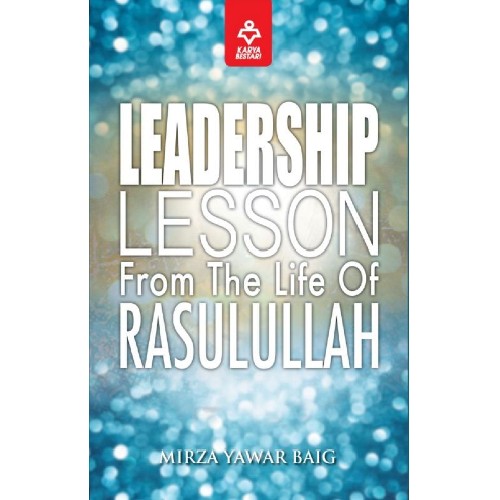
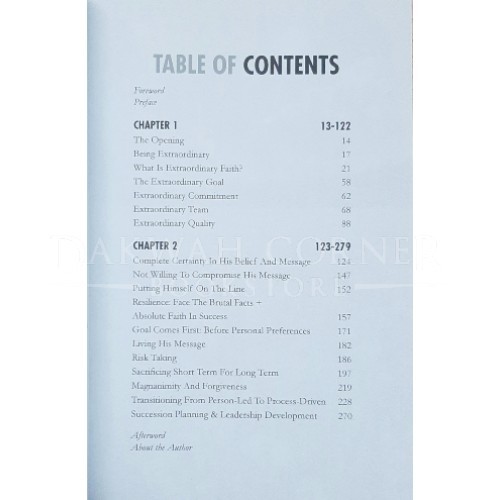
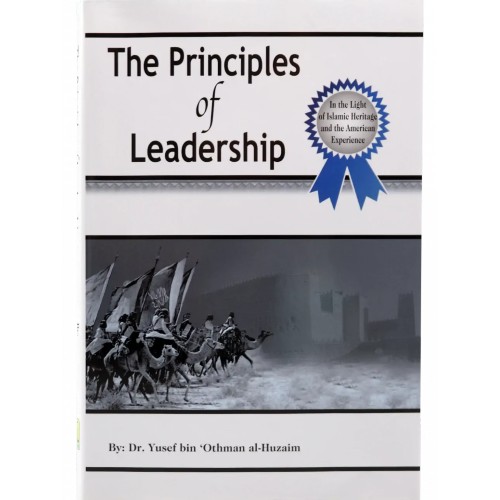
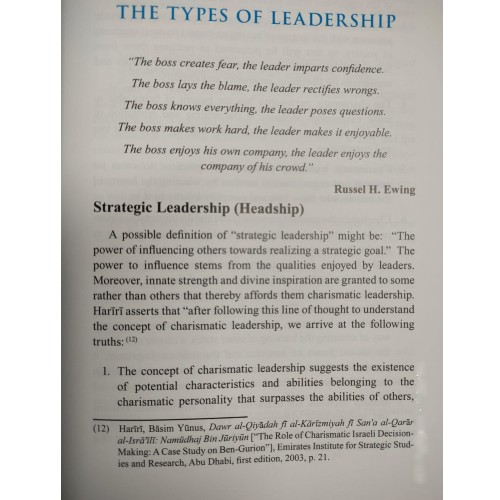
The Principle of Leadership (H/B)
Highlights:
In this work entitled The Rudiments of Leadership: The American Attempt in the Light of Islamic Heritage, Dr Yusuf bin Uthman al Huzaim offfers and insightful awareness of the many theories and practices of leadership deriving from Islamic heritage and the modern American experienc
RM40.00
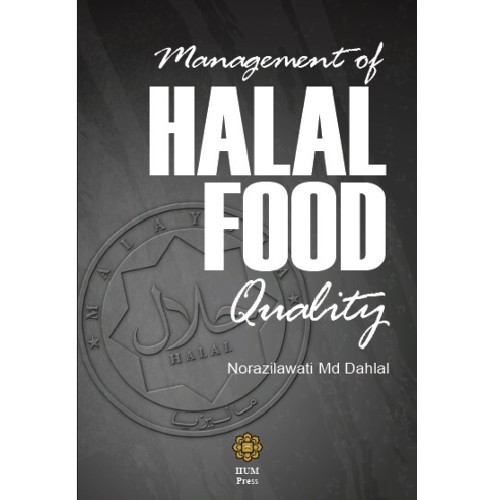
Management of Halal Food Quality
Highlights:
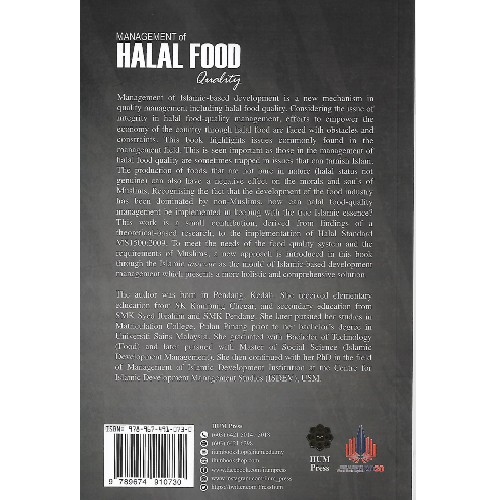
Management of Islamic-based development is a new mechanism in quality management including halal food quality. Considering the issue of integrity in halal food-quality management, efforts to empower the economy of the country through halal food are faced with obstacles and constraints. This book highlights issues commonly found in the management field. This is seen important as those in the management of halal food quality are sometimes trapped in issues that can tarnish Islam. The production of foods that are not pure in nature (halal status not genuine) can also have a negative effect on the morals and souls of Muslims.
RM30.00
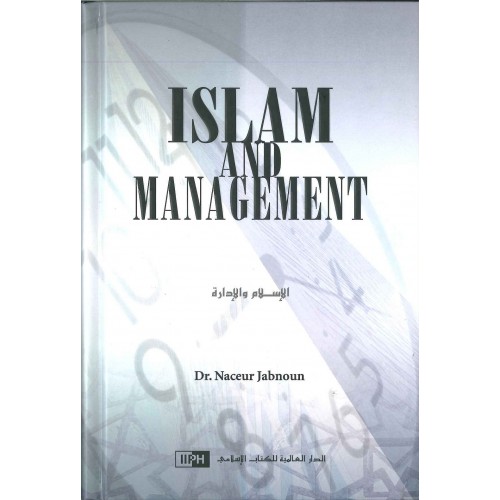
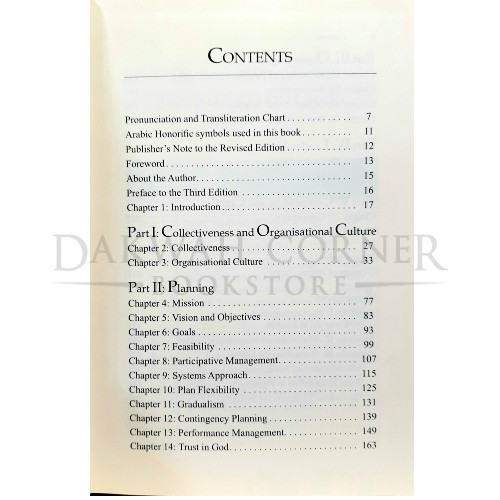
Islam and Management
Highlights:
In their pursuit for organizational improvement, modern managers have been searching for effective management theories and practices in both the East and the West. The interest of managers has expanded beyond contemporary management schools to include even ancient ones. Nevertheless, little attention is currently paid to the Islamic management approach, one that has far outperformed its contemporaries and left indelible marks on the minds of innumerable researchers, leaders, and managers that have followed. Islam and Management will shed light on the Islamic approach to management and delineate important lessons from the teachings of Islam and the experiences of Muslims. People who should read this book include all managers seeking to enhance the effectiveness of their organizations. This book is particularly important for Muslim managers who will find its approach to be coherent with their cultural values. Topics covered in this book include organizational culture, planning, organizing, leading, motivating, controlling, competition, conflict management, and human resource management. This book also includes a chapter on the enriching leadership of ‘Umar ibn al-Khattâb, the second caliph of Islam. The hardcover version of this book that we have for sale is the revised 3rd edition, published in 2011.a
RM90.00
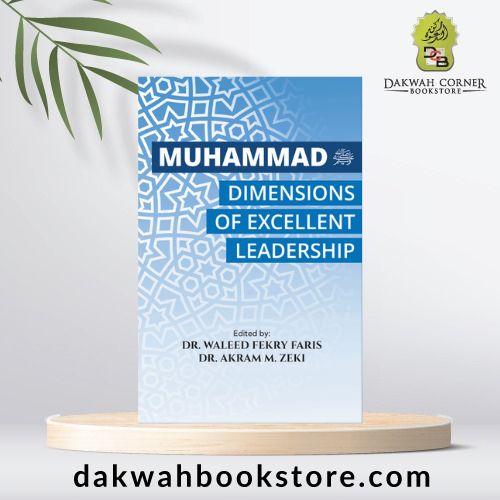
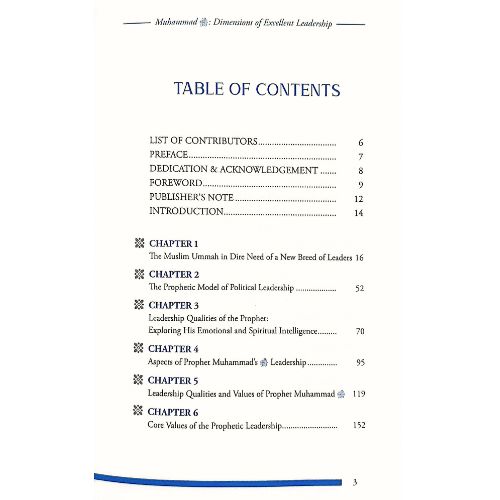
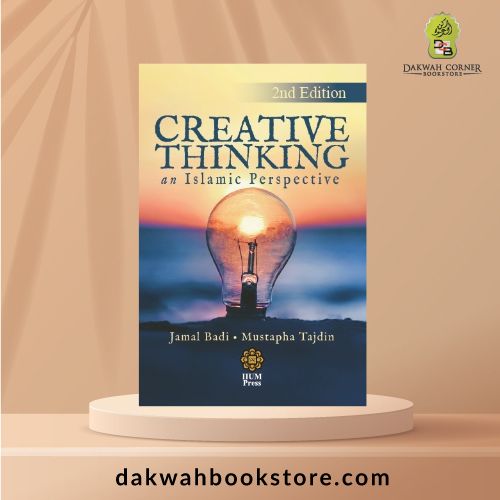
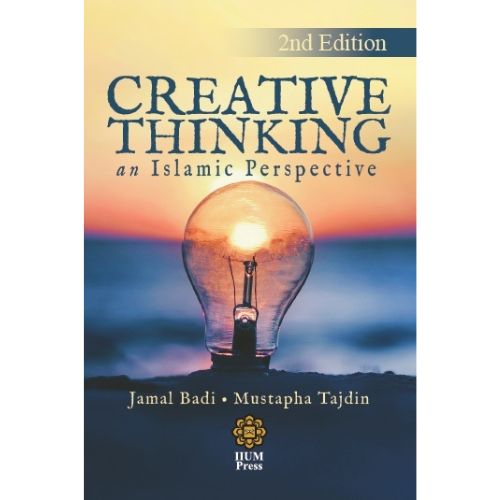
Creative Thinking An Islamic Perspective (2nd Edition)
Highlights:
Enthusiastic readers, notably those who have special interest in thinking and cognition, are expected to know a great deal on creativity both as a skill and as a discipline. However, rare are those who have thoughts on what a religion like Islam has to say about it. Many vital fields of studies seem to have been alienated from religious principles and values, as if religion distrupts the smoth and triumphant march of human knowledge. This book presents a humble argument for the worth of Islamic principles and values in the domain of thinking and creativity. Though this work is an introductory textbook devised for teaching purposes, it hopes to meet the expectations of those who seek detailed and informative account of the subject.
RM41.00
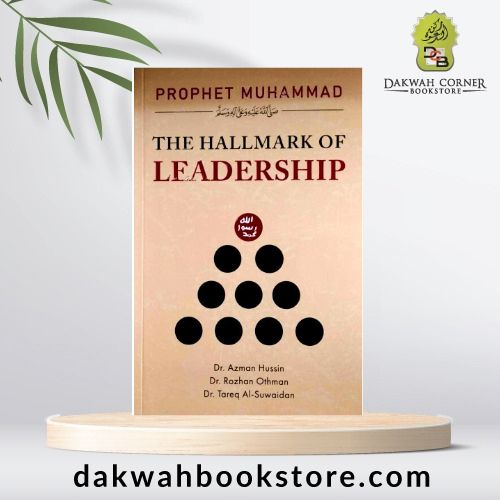
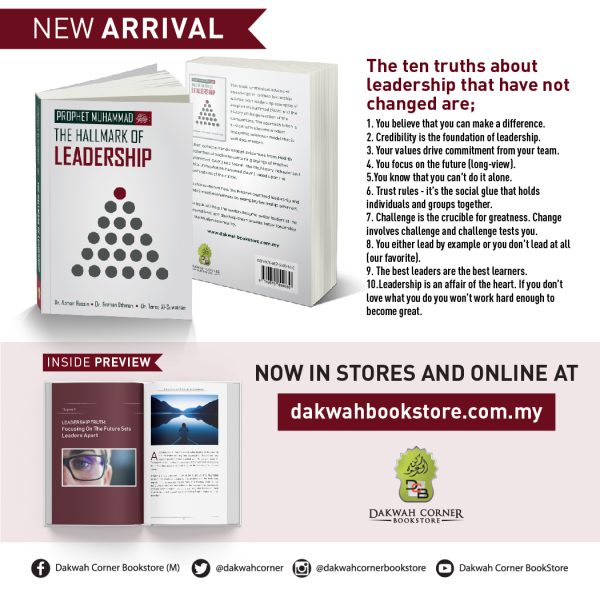
The Hallmark of Leadrship (new cover)
5 ★
5 ★
1 Rating
5 ★
1
4 ★
0
3 ★
0
2 ★
0
1 ★
0
Highlights:
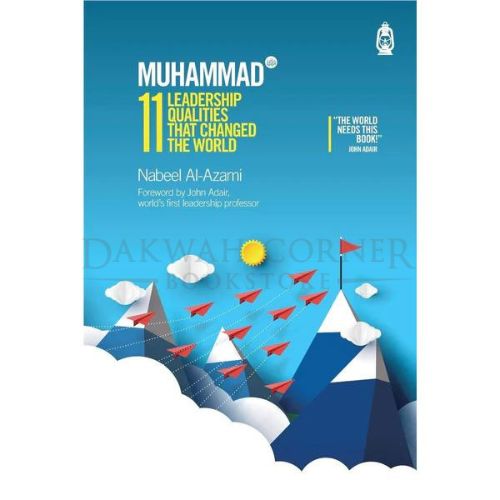
This book synthesizes advanced knowledge in modern leadership science with leadership examples of Prophet Muhammad (SAW) and the history of the generation of his Companions. The approach this book follows is to start with a known modern leadership reference model that is well documented.
RM50.00
Islam and Politics Around the World
Highlights:
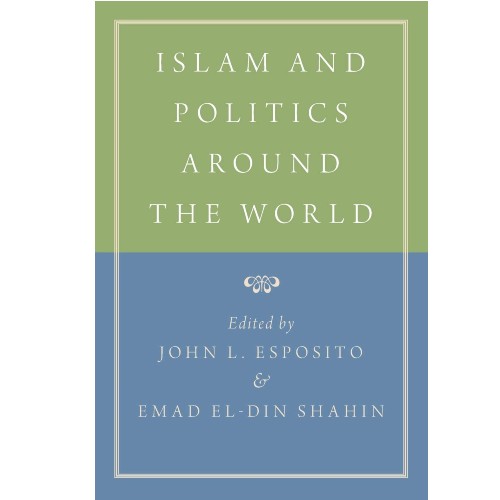
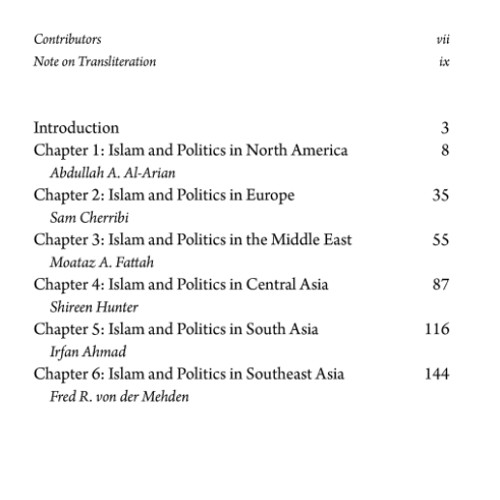
Islam and Politics Around the World is a comprehensive and analytical examination of Islam and politics in a rapidly changing and globalizing world. Its case studies provide overviews of the development and interaction of Islam and politics in North America, Europe, and the Middle East, and across Asia and Africa. Taken together, these essays provide readers with an illuminating and in-depth overview of the state of political Islam today.
RM125.00
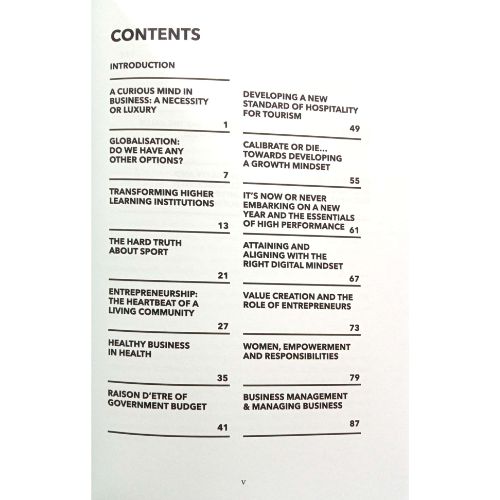
Mindset is Everything
Highlights:
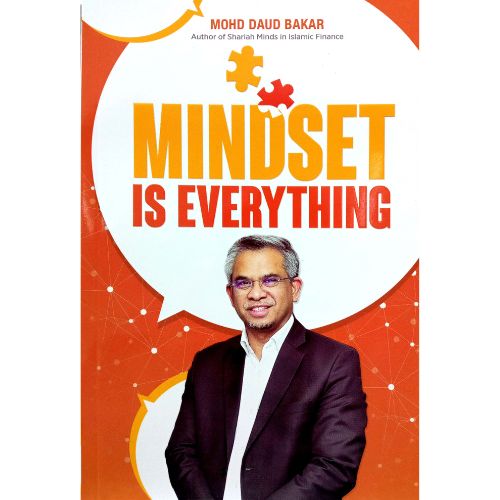
Learn the important advice and strategies on building the right mind-set all in one compilation. Grow and think alongside Datuk Dr Mohd Daud Bakar in his mission to motivate and drive the inquisitive young business minds.
A Compilation of 23 articles from Datuk Dr Mohd Daud Bakar’s Mindset column in Malaysian Business.
RM25.00
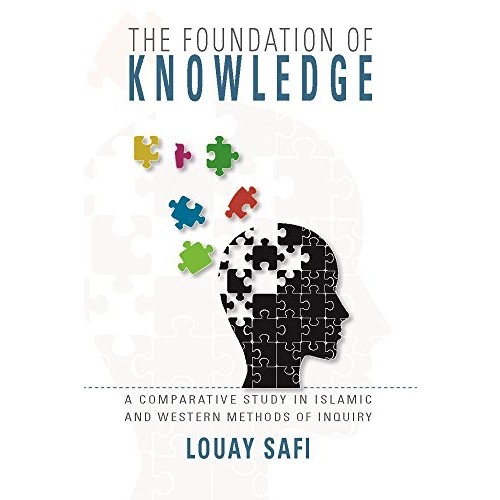
The Foundation of Knowledge: A Comparative Study in Islamic and Western Methods of Inquiry
Highlights:
The Foundation of Knowledge’s most fundamental concern is to trace the evolution of scientific methodology and to highlight Islamic scholarship s everlasting contribution to grounding scientific research in the social experience while bringing transcendental knowledge to bear on normative frameworks. In addition, the book emphasizes the need to remain open-minded to a variety of scientific approaches to social phenomena. The book is of particular interest to the students of methodology and scientific methods, as it catalogs the various approaches to systematic investigation and sheds light on the profound role early Muslim scholars played in laying the foundation of scientific knowledge.
RM95.00
Recently Viewed
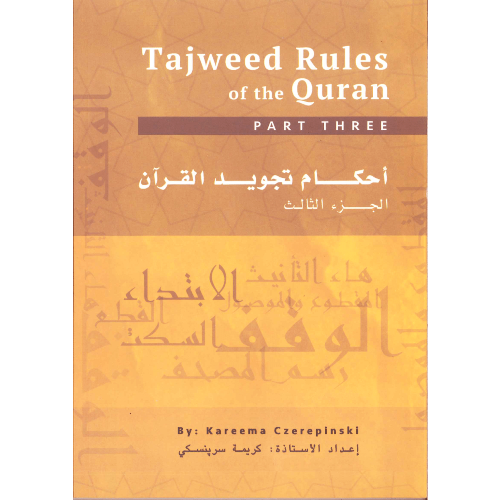
Tajweed Rules of the Quran (Part Three)
Highlights:
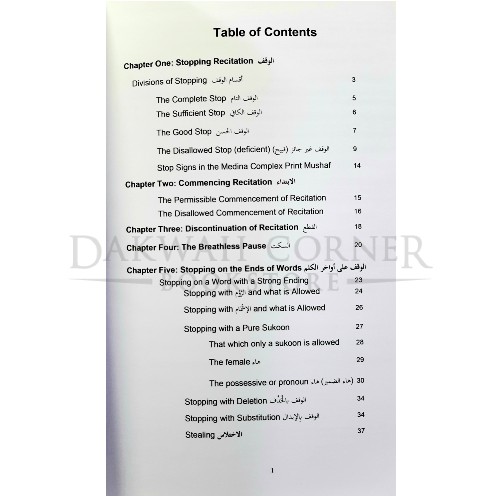
This is the third and final part of a three part series in English on the rules of tajweed the Qur’an for the recitation of Hafs from ‘Aasim by the way of Ash-Shaatibiyyah. These books are meant as a guide for non-Arabs with a good grasp of English for studying tajweed of the Glorious Qur’an. This final book explains the stop and start when reading the Glorious Qur’an, and gives details as to what kind of stop is allowed, what kind is preferred, and what kind of stop is forbidden. Stopping on the ends of words with strong endings (consonants) and rules for what is allowed on the last letter of the word is described, including ar-room (الروم) and al-ishmaam (الإشمام). Stopping on the ends of words with weak endings (words ending in the alif, ya’ or wow) and different rules and explanations for these type of words is clarified. One important aspect of Qur’an recitation is knowing and understanding which word combinations are written together and which separately in different parts of the Qur’an as well as in which places of the Qur’an are some words are written the female haa (هاء), and in which places they are written with the taa (تاء). This part lays out the different places in the Qur’an these occurrences take place, so the reader knows how he/she can stop on these words. The words that are read in a special way, or have two allowed ways for the reading of Hafs from ‘Aasim by the way of Ash-Shaatibiyyah are detailed in this book. The history of the writing of the Glorious Qur’an (رسم) and the general rules for the writing of the Qur’an are laid out in the last chapter of this part. This last part of the three parts on tajweed is for students who have studied and mastered the other two parts, or have studied everything covered in the first two parts. The explanations of the different subjects are in English, and the Arabic terms are translated. The goal is always to assist the students in understanding and to encourage them to learn the Arabic terms and definitions. The three parts of this series on tajweed rules of the Glorious Qur’an should facilitate non-Arabic speaking students of the Qur’an whether they are in a classroom with an Arabic medium for teaching or English. With this third part completed, insha’ Allah the non-Arab English speaking student of the Qur’an will find a complete curriculum and explanation of the tajweed rules for the recitation of Hafs ‘an ‘Aasim from the way of Ash-Shatibiyyah in any classroom or study situation that he/she may find themselves in. These three parts are only guidance; the real goal is reciting and applying all the different rules correction which can only be done by reciting to and being corrected by a qualified teacher of the Qur’an.
RM30.00
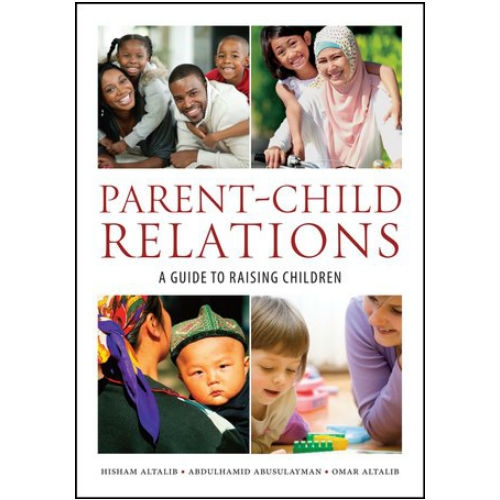
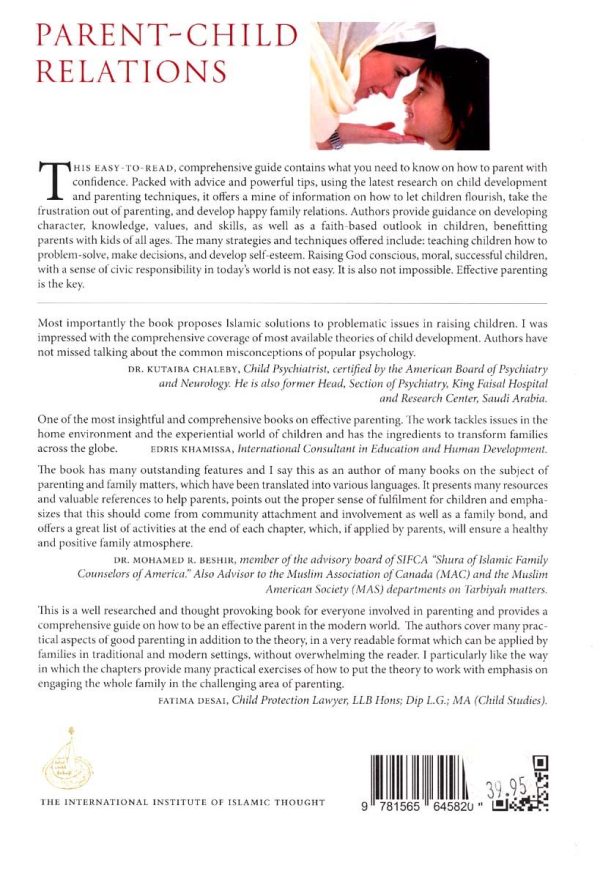
Parent-Child Relations A Guide To Raising Children (IIIT)
Highlights:
Raising God-conscious, moral, successful children with a sense of civic responsibility in today’s world is not easy. It is also not impossible. Effective parenting is the key. As parents struggle to raise successful children, they need knowledge and skills to communicate wisely with their children and create happy, loving family relationships and homes. Central to this knowledge is teaching children about Islam, the Qur’an, the lives of the prophets, and Muslim history.
This parenting series is dedicated to families wishing to raise their children to become men and women of caliber, possessing values and qualities of righteousness, honesty, courage, compassion, creativity, and faith, as well as strength of mind and a sense of responsible independence.
RM225.00
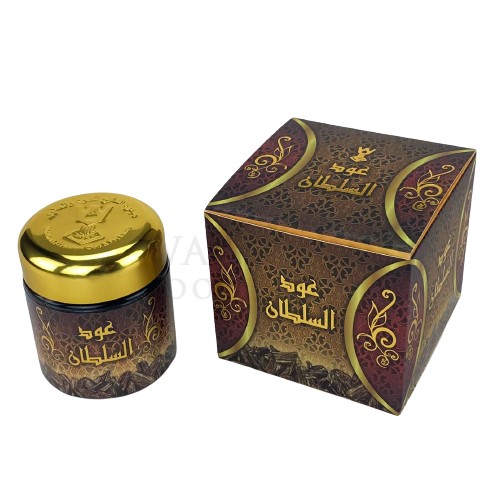
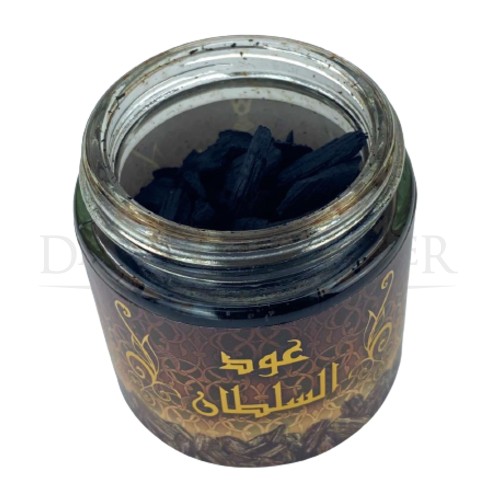
Oud Al-Sultan
Highlights:
High-quality bakhoor burn Incense gives a fresh scent for your HOME, SHOP, or OFFICE.
RM45.00
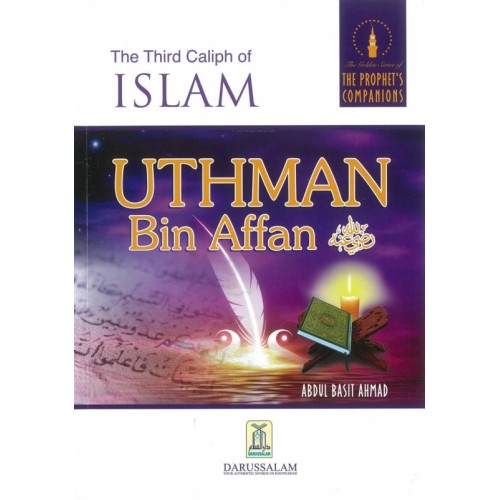
The Third Caliph of Islam: Uthman bin Affan (P/B)
Highlights:
Uthman bin Affan (R) was one of the early men who accepted Islam in Makkah. From the first moment he became a Muslim, he put all his wealth under the service of Islam. He spent most of his resources to satisfy the needs of poor Muslims. Recognizing his generosity and devotion to Islam, the Prophet (S) told him that his place would be in Paradise on the Hereafter. He married Ruqayah (R),the Prophet’s daughter. After she died, he married her sister Um Kulthum ;for that, the people at that time called him Dhun Nurain, “The Man with the Two Lights.”
RM26.00
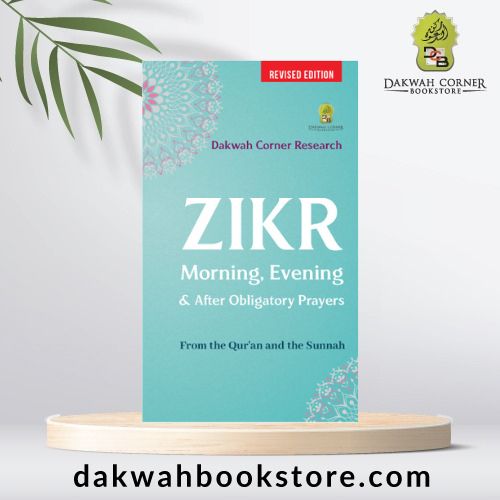
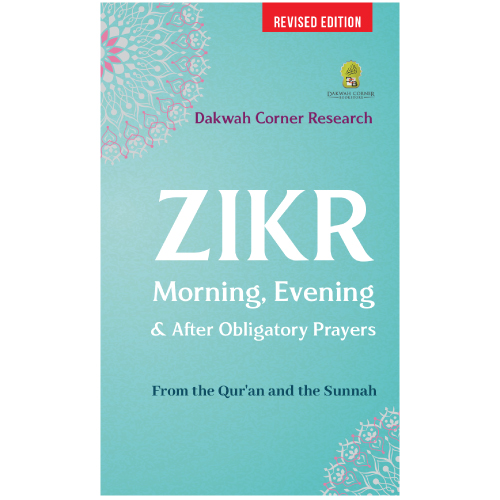
Zikr Morning, Evening & After Obligatory Prayers (Pocket Size) (REVISED)
5 ★
5 ★
1 Rating
5 ★
1
4 ★
0
3 ★
0
2 ★
0
1 ★
0
RM10.00
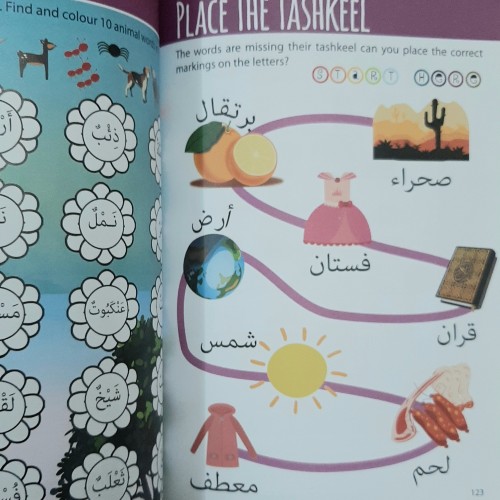
Teach Your Child To Read Arabic In 10 Easy Lessons
Highlights:
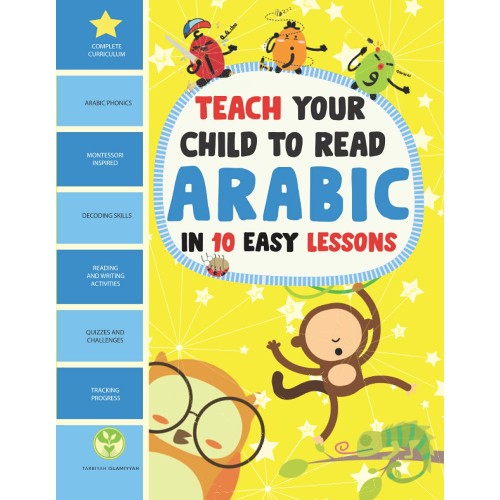
Welcome to the wonderful world of the Arabic language. Dive into Montessori inspired exercises, engaging activities, challenges and games in every lesson. A super-fun way to learn Arabic as a second language. An innovative visual approach combines colourful illustrations and useful Arabic vocabulary. Learn easily and systematically. Teach your child to become a reading pro. “Teach Your Child to Read Arabic in 10 Easy Lessons” provides an abundance of practice activities and exercises, giving them repeated exposure for teaching the core skills needed for reading and writing Arabic.
RM160.00
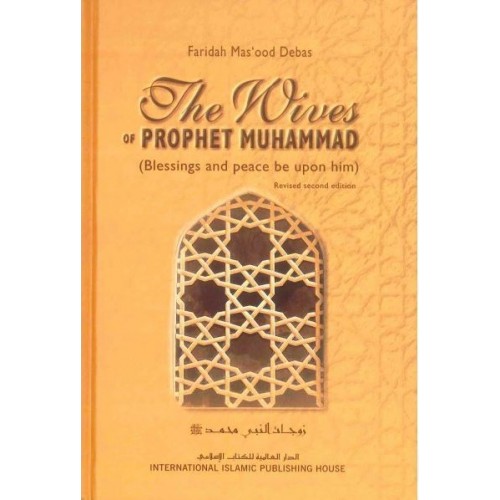

The Wives of the Prophet Muhammad (H/B)
Highlights:
Within this book, The Wives of Prophet Muhammad, is a wealth of captivating information about the distinguished wives of the Prophet (may Allah be pleased with them). Their lives are represented through vivid stories encompassing their lineage, history, and marriages to the Prophet (blessings and peace be upon him). From their hardships to their triumphs, their lives were filled with honesty, sincerity, and devotion to Allah. Their lives exemplify an ideal for which Muslims may strive. Each wife is honoured as an individual, with her life and her love of the Prophet (blessings and peace be upon him) directing her story. The author has compiled the statements of several scholars on this topic and added to this her own impassioned arguments, with which she dispels criticism by orientalists of the Prophet’s practice of polygyny. From a historical perspective, his life, along with those of his wives, authenticates his mission. His practice of polygyny, when investigated, reveals a deep wisdom behind his marriages that supported his efforts of teaching and spreading Islam. This edition is new and completely revised. It has been reorganized to make it easy to read while drawing out the most inspiring aspects of the lives of the honourable wives of the Prophet Muhammad.
RM65.00
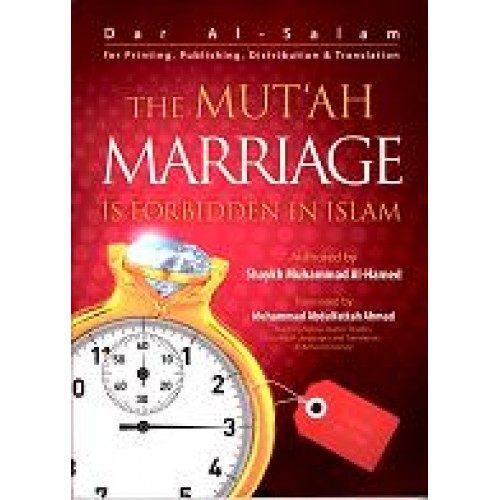
The Mut’ah Marriage is Forbidden in Islam (H/B) Pocket Size
Highlights:
A rumor has recently been circulated, inviting people to practice Mut‘ah marriage. The Mut‘ah marriage is not a permanent marriage. In other words, the Mut‘ah contract states the duration of marriage and stipulates that marriage will be valid for a specific period of time.
As an established fact, the Mut‘ah marriage is forbidden according to Muslim scholars of all generations. Only a few scholars keenly believe in its lawfulness.
RM12.00

Prophet Muhammad: A Blessing for Mankind
Highlights:
Prophet Muhammad (blessings and peace of Allah be upon him) and the lessons he taught us from the continued hardships he underwent in every stage of his life are a real blessing for humankind. Being an orphan child made him compassionate to widows and orphans as well as to the poor. His multiple marriages strengthened the ties of kinship amongst the different tribes, dissolving long-standing enmity. His message and prophethood were challenged by the polytheistic society in Makkah, forcing him and his few followers to emigrate to Madinah. Despite his illiteracy and the struggles he faced, he conveyed Allah’s Book, the Noble Qur’an, to all humanity, teaching them the values and principles that are presently adopted by billions of Muslims throughout the world. In the Qur’an, Allah, the Almighty addresses the Prophet (blessings and peace of Allah be upon him), saying: {We have sent you only as a mercy to the worlds.} (Qur’an 21: 107)
RM8.00 RM9.00
![[EA] Ahkam Al Awraq At Tijariah Fi Al Fiqh Al Islami / احكام الأوراق التجارية في الفقه الاسلامي](https://shop.dakwahbookstore.com/wp-content/uploads/2023/11/website-500x500-12-150x150.jpg)
![[HH] Mukhtasar Sahih Al-Bukhari (مختصر صحيح البخاري)](https://shop.dakwahbookstore.com/wp-content/uploads/2023/05/Untitled-design-3-7-150x150.jpg)